Kejriwal Questions E20 Fuel Damage, Automaker Liability
Synopsis
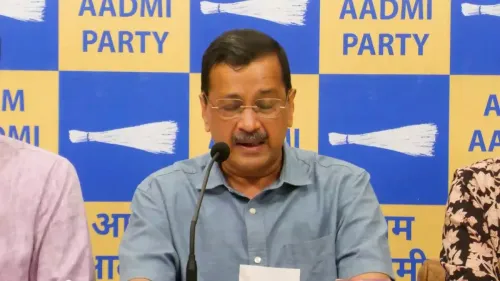
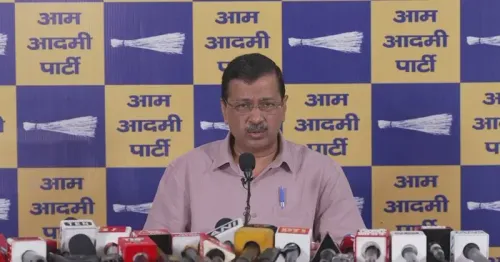
AAP convenor Arvind Kejriwal on 8 July 2026 questioned whether automakers should compensate vehicle owners for damage caused by E20, India's 20% ethanol-blended petrol, at a live press conference, spotlighting a critical consumer-protection gap in India's accelerated biofuel rollout.
Key Takeaways
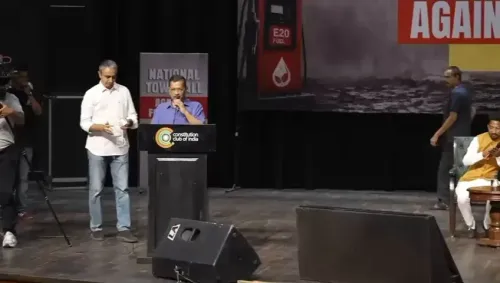
Arvind Kejriwal held a live press conference on 8 July 2026 questioning automaker liability for E20 ethanol-blend fuel damage.
India's National Policy on Biofuels, 2018 set progressive ethanol-blending targets; in 2021 , the E20 target was advanced from 2030 to 2025 .
Many existing vehicles on Indian roads were manufactured and warranted for fuel blends no higher than E10 , creating a compatibility gap.
The Society of Indian Automobile Manufacturers (SIAM) faces pressure to clarify warranty positions as E20 availability expands.
The question of who compensates vehicle owners for transition-related damage — consumer, automaker, or government — remains unresolved.
Possible next steps include fresh Ministry of Petroleum notifications and statements from SIAM on E20 vehicle-compatibility standards.
AAP convenor Arvind Kejriwal on Wednesday, 8 July 2026, held a press conference raising pointed questions about whether automakers should compensate vehicle owners for damage caused by E20, the 20% ethanol-blended petrol being rolled out under India's national biofuel programme.
Context
Kejriwal's press conference, broadcast live on 8 July 2026, centred on a single sharp question directed at the automobile industry: 'Will automakers compensate for damage caused by E20?' The question signals growing political scrutiny of India's accelerated ethanol-blending push and its consequences for ordinary vehicle owners.
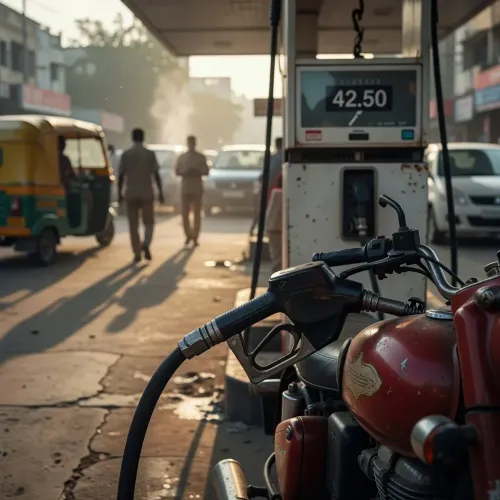
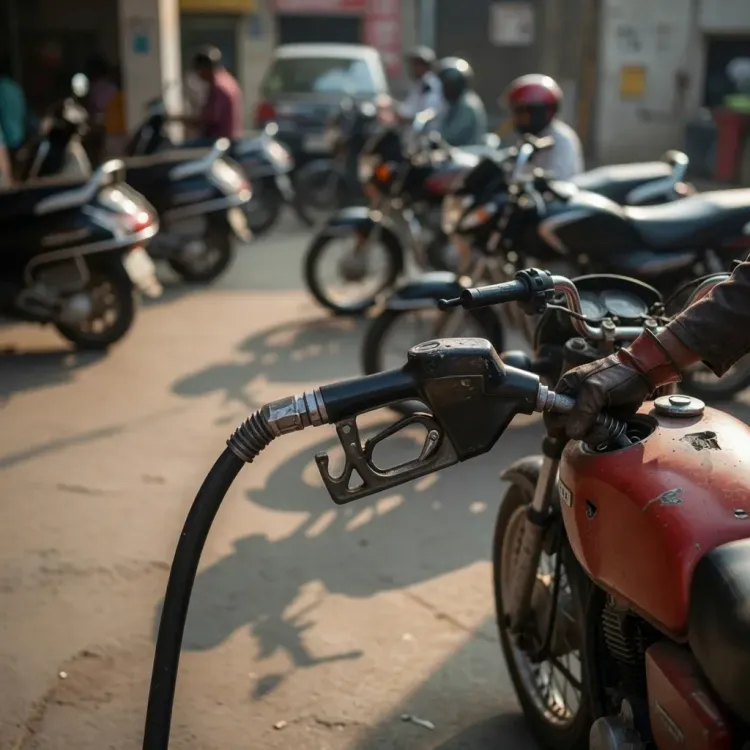
E20 — petrol blended with 20 per cent ethanol — has been promoted by the central government as a means to cut crude-oil imports, reduce vehicular emissions, and support sugarcane farmers. However, critics have consistently flagged that a large share of India's existing vehicle fleet was not designed or warranted for fuel blends above E10.
Policy Backdrop
India's National Policy on Biofuels, 2018 set a roadmap of progressively higher ethanol-blending targets, starting from E5 and E10 and moving toward E20. In 2021, the central government advanced the 20 per cent blending target from 2030 to 2025, compressing the transition timeline significantly.
The faster rollout has left a compatibility gap: millions of vehicles already on Indian roads were manufactured and warranted for lower ethanol concentrations. The Society of Indian Automobile Manufacturers (SIAM), the apex industry body for automakers, has been navigating questions around vehicle compatibility standards and warranty obligations as E20 availability expands.
Opposition figures, including Kejriwal, have repeatedly raised consumer-protection concerns during this transition, arguing that neither the government nor automakers have provided adequate clarity on liability when higher-blend fuel causes engine or component damage.
Stakeholders and Impact
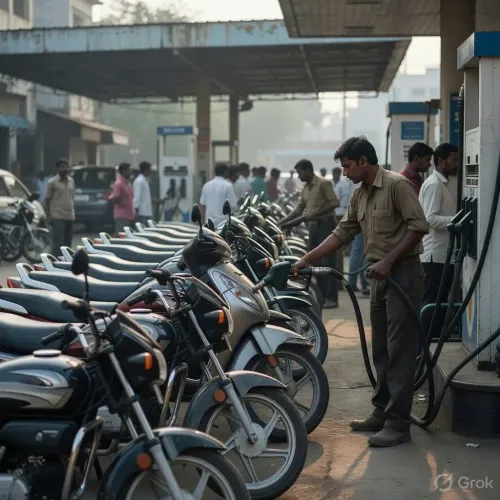
The most directly affected group is India's vast population of vehicle owners — particularly those with older two-wheelers, three-wheelers, and cars that pre-date E20-compatible engineering standards. For these consumers, the risk of voided warranties or out-of-pocket repair costs is a practical concern, not a theoretical one.
Automakers face pressure from two sides: the government's mandate to align with the biofuel programme, and consumer expectations of warranty protection. How manufacturers define 'approved fuel' in their service agreements has direct financial implications for millions of households across India.
What's Next
The political pressure generated by Kejriwal's press conference is likely to prompt responses from SIAM on warranty coverage positions, and could push the Ministry of Petroleum and Natural Gas to issue fresh notifications clarifying E20 vehicle-compatibility standards. Consumer advocacy groups may also intensify calls for a formal compensation or insurance framework to cover fuel-related damage during the ethanol transition.
As India moves deeper into its biofuel programme, the question of who bears the cost of transition-related vehicle damage — the consumer, the automaker, or the state — is set to become an increasingly contested policy and political question.
Point of View
AAP is attempting to convert a technocratic biofuel debate into a kitchen-table pocketbook issue ahead of future electoral cycles. The question of automaker compensation has no clear legal answer yet, which gives opposition voices room to sustain the narrative. If SIAM or the Ministry of Petroleum responds defensively or with delay, the political cost of India's accelerated ethanol timeline could shift visibly onto the ruling establishment.
NationPress
7 Oct 2026
Frequently Asked Questions
What is E20 fuel and why is it controversial in India?
E20 is petrol blended with 20 per cent ethanol, promoted under India's National Policy on Biofuels to cut oil imports and emissions. It is controversial because many older vehicles were not designed for blends above E10, raising concerns about engine damage, voided warranties, and unclear compensation for affected owners.
Why is Kejriwal questioning automakers about E20 damage?
Kejriwal held a press conference on 8 July 2026 asking whether automakers will compensate vehicle owners whose engines or components are damaged by E20 fuel, highlighting a consumer-protection gap as the government rolls out higher ethanol blends across India.
Which vehicles are at risk from E20 ethanol-blended petrol?
Vehicles manufactured before E20-compatible engineering standards were introduced — particularly older two-wheelers, three-wheelers, and cars warranted only for E5 or E10 fuel — are considered most at risk of damage or warranty voidance from E20 petrol.
What is India's ethanol blending target and when was it set?
India's National Policy on Biofuels, 2018 set a roadmap toward 20 per cent ethanol blending. In 2021, the government advanced the E20 target from 2030 to 2025, compressing the transition timeline and accelerating the rollout of higher-blend fuel.
What role does SIAM play in the E20 controversy?
The Society of Indian Automobile Manufacturers (SIAM) is the apex industry body representing automakers. It faces questions about warranty coverage and vehicle-compatibility standards as E20 becomes more widely available, and is expected to clarify its position following political pressure from Kejriwal's press conference.