Kejriwal Calls Press Conference Against Forced Ethanol Blending
Synopsis
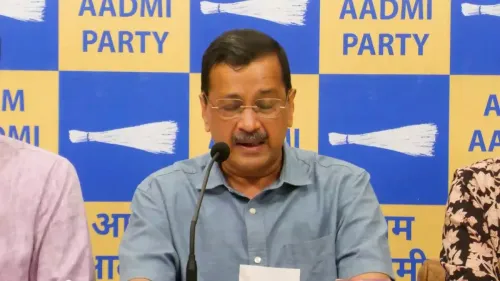
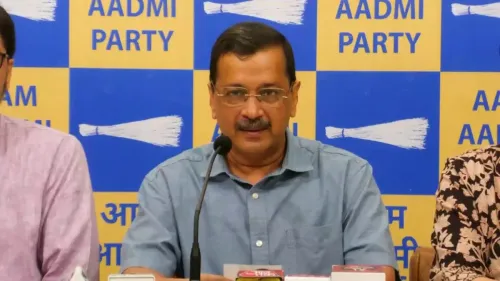
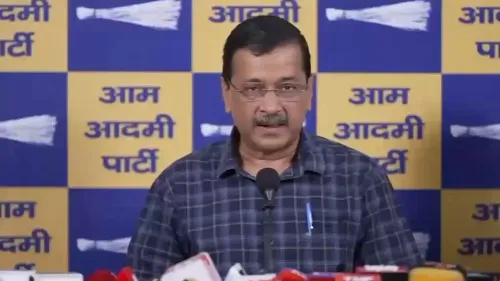
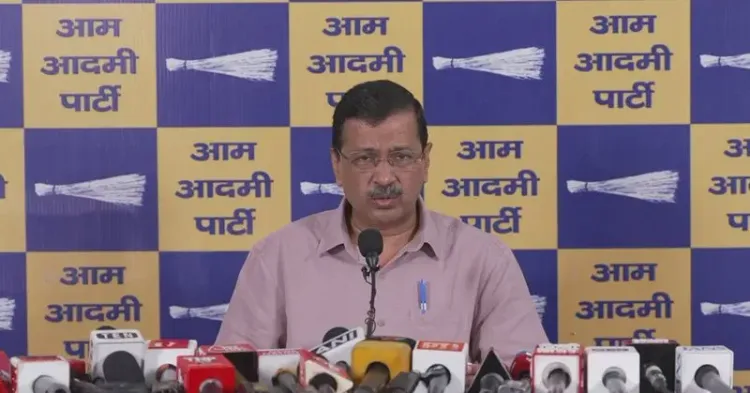
AAP convenor Arvind Kejriwal on 7 July 2026 held a national live press conference opposing the Centre's accelerated rollout of ethanol-blended fuel, raising concerns about forced implementation, engine compatibility, and consumer choice under the government's E20 programme.
Key Takeaways
AAP convenor Arvind Kejriwal held a live press conference on 7 July 2026 opposing the forced rollout of ethanol-blended fuel.
The Ethanol Blended Petrol (EBP) Programme was launched in 2003 ; the Centre advanced its 20 per cent blending target to 2025 .
The National Biofuel Policy 2018 underpins the current blending mandate, with the Ministry of Petroleum and Natural Gas coordinating implementation.
Key concerns include engine compatibility for older vehicles, fuel efficiency, and lack of consumer communication before E20 fuel was introduced.
Sugarcane farmers and oil marketing companies are primary beneficiaries of the programme, while vehicle owners bear the compatibility risks.
AAP's campaign could translate into parliamentary questions during the monsoon session and pressure on the Centre to revise its rollout approach.
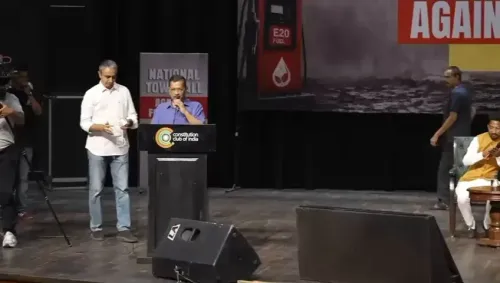
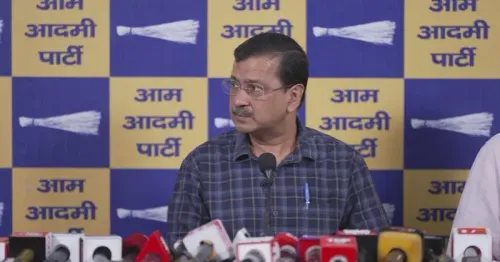
AAP convenor Arvind Kejriwal held a press conference on Tuesday, 7 July 2026, announcing his party's opposition to what he described as the forceful implementation of ethanol-blended fuel in India. The live event, streamed on X, signalled AAP's intent to mount a public campaign against the Centre's accelerated ethanol blending programme.
Context
Kejriwal's press conference was framed around the phrase 'India Against Forceful Implementation of Ethanol-Blended Fuel' — positioning AAP as the voice of consumers and vehicle owners who, the party contends, are being compelled to use higher-ethanol fuel blends without adequate preparation or consent. The live broadcast format underscored the party's intent to reach a national audience beyond Delhi.
The Ethanol Blended Petrol (EBP) Programme, formally launched in 2003, has progressively raised blending mandates. The National Biofuel Policy 2018 set an indicative target of 20 per cent ethanol blending by 2030, a deadline the Centre subsequently advanced to 2025.
Policy Backdrop
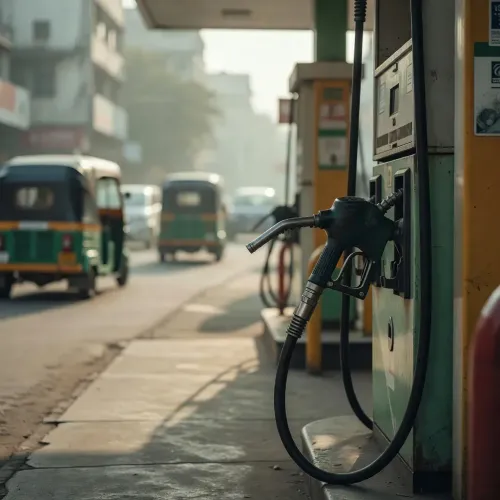
The Ministry of Petroleum and Natural Gas has coordinated the rollout of higher blending percentages — commonly called E20 fuel — through oil marketing companies across the country. The policy rationale rests on three pillars: reducing India's crude-oil import bill, cutting vehicular emissions, and providing a stable demand channel for the sugarcane and sugar sector.
The National Biofuel Policy 2018 expanded the range of permissible feedstocks beyond sugarcane, allowing surplus grains and agricultural residues to be used for ethanol production. Despite these provisions, the pace of infrastructure upgrades at fuel depots and the readiness of older vehicle fleets have remained points of contention among consumer groups and some state governments.
Stakeholders and Impact
Sugarcane farmers have broadly benefited from the programme, as guaranteed ethanol procurement provides an additional revenue stream alongside conventional sugar sales. Oil marketing companies have invested in blending infrastructure, while the government has periodically revised ethanol procurement prices to sustain supply.
Vehicle owners — particularly those with older two-wheelers and four-wheelers — have raised concerns about engine compatibility with higher ethanol blends, potential impacts on fuel efficiency, and the absence of clear consumer communication before E20 fuel was introduced at retail pumps. AAP's press conference appears designed to amplify these grievances at a national level.
What's Next
Political pressure from AAP could prompt parliamentary questions or adjournment motions during the upcoming monsoon session of Parliament. Observers will watch whether other opposition parties align with AAP's position, and whether the Centre responds by adjusting the blending rollout timeline, revising engine-compatibility guidelines, or announcing consumer-awareness measures.
State-level rollout orders for E20 fuel, any revision in ethanol procurement rates by the Centre, and the formal AAP demand list — expected to emerge from the press conference — will shape the next phase of this debate. The episode illustrates the recurring friction between centrally driven energy-transition mandates and the ground-level readiness of consumers and supply chains.
Point of View
Not merely a Delhi outfit. The move tests whether AAP can build cross-state traction on a kitchen-table issue that directly affects millions of vehicle owners. It also fits a broader AAP pattern of targeting central energy and infrastructure policies to remain relevant at the national level after electoral setbacks. The Centre will be under pressure to respond with technical clarity on engine compatibility and consumer safeguards, or risk ceding the narrative to the opposition.
NationPress
6 Oct 2026
Frequently Asked Questions
What is the ethanol blending programme in India?
The Ethanol Blended Petrol programme blends ethanol — mainly derived from sugarcane — with petrol to reduce crude-oil imports and vehicular emissions. The Centre currently mandates blending up to 20 per cent ethanol (E20) in petrol, a target advanced to 2025 from the original 2030 deadline set by the National Biofuel Policy 2018 .
Why is Kejriwal opposing ethanol-blended fuel?
Arvind Kejriwal held a press conference on 7 July 2026 opposing what AAP calls the 'forceful implementation' of ethanol-blended fuel, citing concerns about engine compatibility for older vehicles, potential fuel-efficiency loss, and inadequate consumer communication before E20 fuel was rolled out at retail pumps.
Is E20 fuel safe for all vehicles?
E20 fuel — petrol blended with 20 per cent ethanol — is compatible with vehicles manufactured or tuned to handle higher ethanol content. Older vehicles not designed for E20 may face engine wear, reduced efficiency, or warranty issues, which is a central concern raised by consumer groups and now by AAP .
What is the government's goal behind ethanol blending?
The government's stated goals are to cut India's crude-oil import bill, lower vehicular carbon emissions, and create a guaranteed demand channel for sugarcane farmers and the sugar industry, as outlined in the National Biofuel Policy 2018 .
What could happen next in the ethanol blending debate?
AAP's campaign could lead to parliamentary questions during the monsoon session , possible petitions, and pressure on the Ministry of Petroleum and Natural Gas to revise its rollout timeline, improve consumer awareness, or clarify engine-compatibility standards for E20 fuel.