Kejriwal Calls AAP Workers to Petrol Pumps Over E20 Fuel
Synopsis
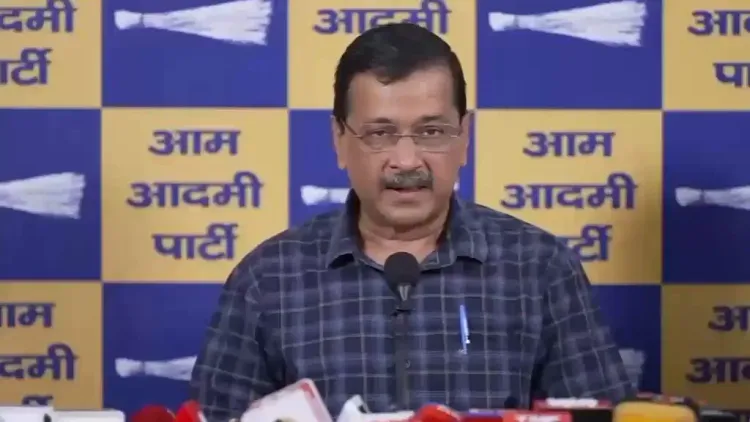
AAP convenor Arvind Kejriwal on 14 July 2026 called on party workers to visit petrol pumps, collect consumer grievances on video, and flood social media to pressure the central government over its E20 ethanol-blended fuel programme, citing mileage and engine-compatibility concerns among ordinary vehicle owners.
Key Takeaways
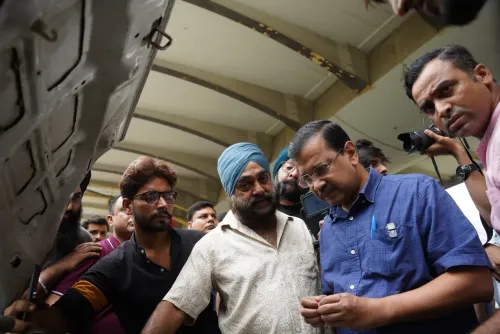
Arvind Kejriwal on 14 July 2026 called on all AAP workers and leaders to visit petrol pumps and service stations to document consumer grievances against E20 fuel.
He urged citizens dissatisfied with E20 to record their own videos and post them on social media, framing it as the only way to pressure an unresponsive government.
E20 petrol — blended with 20 per cent ethanol — is part of India's National Policy on Biofuels (2018) , with the blending target advanced to 2025 in 2021.
Consumer criticism of the programme centres on potential mileage loss and engine compatibility issues, especially for older vehicles.
The campaign reflects a broader opposition strategy of using social-media mobilisation to convert technical policy debates into politically visible consumer issues.
The scale of video content generated and its online reach will determine whether the campaign forces a formal government response on E20 standards.
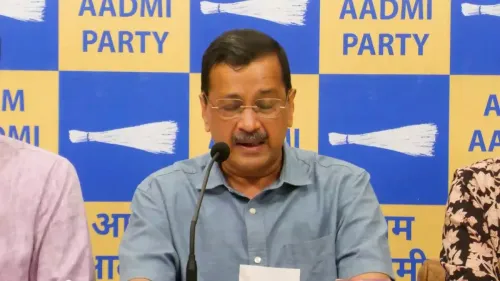
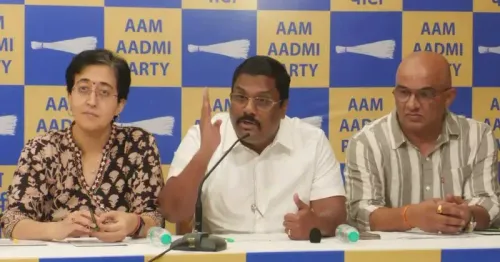
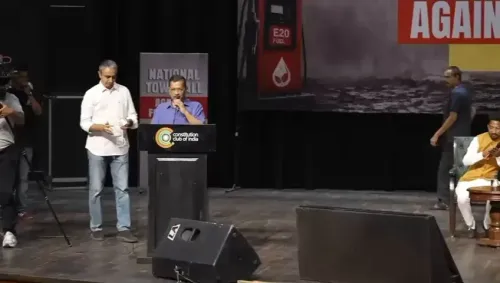
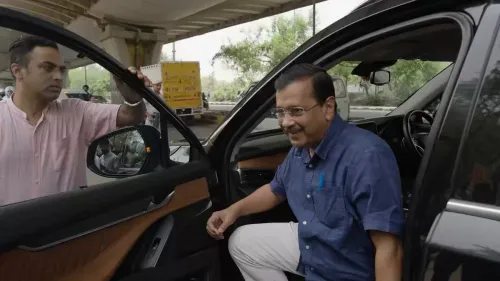
AAP convenor Arvind Kejriwal on Tuesday, 14 July 2026, called on all Aam Aadmi Party workers and leaders to visit petrol pumps and service stations across the country, urging them to speak with consumers affected by the government's E20 ethanol-blended fuel programme and flood social media with public grievances to pressure the central government.
Context
In the post, Kejriwal appealed directly to AAP's ground-level cadre, saying: 'सब लोग अपने घरों से निकलकर पेट्रोल पंप और सर्विस स्टेशन पर जाएँ' ('Everyone should step out of their homes and go to petrol pumps and service stations'). He asked workers to make videos, talk to ordinary people, and share the content on social media. He added that citizens unhappy with E20 should also record their own videos and post them online, arguing that the government 'is not the kind to listen' through conventional channels and that public pressure through social media is the only effective route.
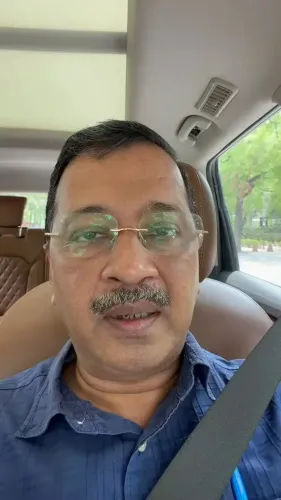
The appeal carries a video alongside the post, suggesting the party intends to use visual content as a primary tool for the campaign. Kejriwal framed the exercise as giving ordinary people a platform: 'हमें पूरे सोशल मीडिया को आम लोगों की आवाज़ से भरकर इन पर दबाव बनाना होगा' ('We will have to fill all of social media with the voice of common people and build pressure on them').
Policy Backdrop
The E20 programme is part of India's National Policy on Biofuels, first notified in 2018, which set targets for blending ethanol with petrol to reduce crude-oil import dependence and support sugarcane farmers. In 2021, the Government of India advanced the E20 target from 2030 to 2025 and began a phased rollout of 20 per cent ethanol-blended petrol through oil marketing companies.
The programme has drawn criticism from consumer groups and vehicle owners who cite possible mileage loss, engine compatibility concerns — particularly for older two-wheelers and cars — and insufficient public consultation before the rollout. Opposition parties have periodically raised these concerns in parliamentary debates and on social media.
Stakeholders and Impact
The campaign is aimed squarely at petrol consumers and vehicle owners, who form a vast constituency across urban and semi-urban India. For daily commuters, even a marginal drop in fuel efficiency translates into a measurable increase in monthly expenditure, making the issue politically potent.
AAP, which governs Punjab and has an active organisational presence in Delhi and several other states, has a cadre network capable of mobilising quickly at the retail fuel level. By directing workers to petrol pumps — a space where consumer frustration is immediate and visible — the party is attempting to convert a technical policy debate into a street-level political narrative.
What's Next
The success of the campaign will depend on the scale of video content generated and its organic reach on platforms such as X, Instagram, and YouTube. If the hashtag gains traction, it could compel the central government or oil marketing companies to issue a formal clarification on E20 compatibility and consumer impact.
Separately, the nationwide availability of E20 at all retail outlets — a key plank of the government's 2025 blending target — and any regulatory or parliamentary review of blending standards will determine whether the opposition's social-media pressure translates into a policy re-examination.
Point of View
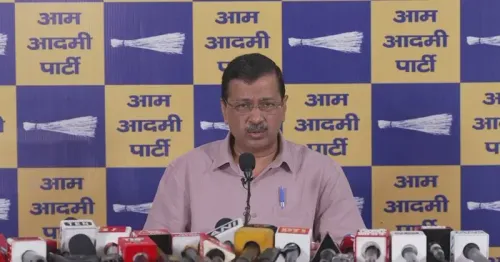
Visceral consumer experience — AAP is attempting to build a grassroots video archive that can sustain a social-media news cycle well beyond a single press conference. The move fits a broader pattern in which opposition parties have used ethanol-blending concerns to chip away at the ruling dispensation's clean-energy narrative, particularly among urban middle-class voters who are sensitive to fuel costs and vehicle performance. Whether the campaign generates enough authentic consumer content to shift the political conversation will be a test of AAP's organisational depth outside its core states.
NationPress
12 Oct 2026
Frequently Asked Questions
What is E20 fuel and why is Kejriwal opposing it?
E20 is petrol blended with 20 per cent ethanol under the Government of India's biofuels programme. Arvind Kejriwal has called on AAP workers to campaign against it, citing consumer grievances about mileage loss and engine compatibility, particularly in older vehicles.
What did Kejriwal ask AAP workers to do on 14 July 2026?
Kejriwal asked all AAP workers and leaders to visit petrol pumps and service stations, speak with consumers unhappy with E20 , make videos of their grievances, and share them on social media to pressure the central government.
When did India start the E20 ethanol blending programme?
India's National Policy on Biofuels was notified in 2018 . In 2021 , the government advanced the E20 target from 2030 to 2025 and began a phased rollout of 20 per cent ethanol-blended petrol through oil marketing companies.
Does E20 fuel reduce mileage in vehicles?
Critics of the E20 programme, including opposition parties, have raised concerns about possible mileage loss and engine compatibility issues, especially in older two-wheelers and cars. The Government of India has maintained that the programme meets safety and performance standards.
Which states does AAP govern and how big is its cadre network?
Aam Aadmi Party , founded in 2012 , currently governs Punjab and has an active organisational presence in Delhi and several other states, giving it a ground-level cadre capable of mobilising at petrol pumps and service stations across multiple regions.