Rijiju Credits Modi's Energy Diplomacy for Uninterrupted LPG Supply
Synopsis
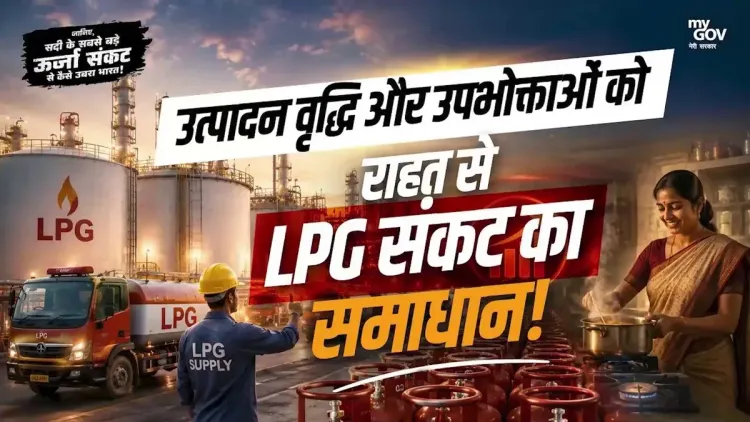
Union Parliamentary Affairs Minister Kiren Rijiju praised PM Modi's energy diplomacy on 14 July 2026, saying it secured alternative LPG sources in time to ensure uninterrupted cooking gas supply to every Indian household — citing this resilience as the hallmark of a new India.
Key Takeaways
Union Parliamentary Affairs Minister Kiren Rijiju posted on 14 July 2026 crediting PM Narendra Modi's energy diplomacy for uninterrupted LPG supply across India.
Rijiju stated that India secured alternative energy sources in time to prevent any disruption in household cooking gas availability.
The post was tagged #EnergySecurity and #AatmanirbharBharat , linking the achievement to the government's self-reliance mission.
India diversified LPG and crude procurement — including from Russia and the United States — following global supply shocks in 2022 .
Over 10 crore households connected under Pradhan Mantri Ujjwala Yojana since 2016 are among the primary beneficiaries of stable LPG access.
Parliamentary discussions on energy security legislation and new bilateral energy pacts are expected to continue in forthcoming sessions.
Union Parliamentary Affairs Minister Kiren Rijiju on Tuesday, 14 July 2026, credited Prime Minister Narendra Modi's 'visionary leadership and robust energy diplomacy' for ensuring uninterrupted domestic LPG supply by securing alternative energy sources in time, calling this resilience the defining trait of a 'new India.'
Context
Posting in Hindi on X, Rijiju wrote: 'माननीय प्रधानमंत्री श्री नरेंद्र मोदी जी के दूरदर्शी नेतृत्व और सशक्त ऊर्जा कूटनीति के कारण ही भारत ने समय रहते ऊर्जा आपूर्ति के वैकल्पिक स्रोत सुनिश्चित किए' ['It is because of the Honourable Prime Minister Shri Narendra Modi's visionary leadership and strong energy diplomacy that India secured alternative sources of energy supply in time']. He added that this ensured 'uninterrupted availability of cooking gas to every household,' tagging the post with #EnergySecurity and #AatmanirbharBharat.
The statement frames India's ability to navigate global supply disruptions as a deliberate policy achievement under the current government, positioning energy security as a pillar of the broader Aatmanirbhar Bharat self-reliance mission launched in 2020.
Policy Backdrop
India's energy security strategy has evolved significantly over the past decade. The Pradhan Mantri Ujjwala Yojana, launched in 2016, extended LPG connections to millions of below-poverty-line households, making uninterrupted cooking gas supply a political as well as a welfare priority.
Following the global supply shocks of 2022, New Delhi expanded its diplomatic outreach to diversify crude oil and LPG procurement, engaging suppliers including Russia and the United States to reduce dependence on any single source. This multi-source procurement model has been central to India's stated goal of insulating domestic consumers from geopolitical price volatility.
The broader Aatmanirbhar Bharat framework has also pushed for gradual expansion of domestic refining capacity and strategic storage infrastructure, complementing the import-diversification approach.
Stakeholders and Impact
The most direct beneficiaries of stable LPG supply are rural and low-income households, particularly the over 10 crore families who received subsidised connections under Pradhan Mantri Ujjwala Yojana. For these consumers, any disruption in cooking gas availability translates immediately into household hardship.
Rijiju's remarks also carry political weight: the BJP has consistently cited Ujjwala and energy access as flagship governance achievements ahead of electoral cycles. By linking supply continuity to 'energy diplomacy,' the minister reinforces the government's narrative that foreign policy decisions have tangible domestic dividends.
What's Next
Parliamentary discussions on formal energy security legislation and new bilateral energy agreements are expected to remain on the legislative agenda. Any fresh diplomatic engagements — particularly with Gulf producers, Russia, or the United States — will be closely watched as indicators of how India continues to manage its import basket.
As global energy markets remain sensitive to geopolitical developments, India's ability to sustain the multi-source procurement strategy will be a key test of the 'new India' resilience that Rijiju invoked — and a benchmark by which the government's energy diplomacy will ultimately be judged.
Point of View
The government signals that self-reliance is not merely an industrial target but a kitchen-level promise. The statement arrives against a backdrop of continued global energy-market volatility, making the 'alternative sources secured in time' narrative both a policy claim and a pre-emptive defence against any future supply stress. Whether Parliament translates this diplomatic posture into durable legislative frameworks on energy security will determine how substantive the claim ultimately proves.
NationPress
14 Jul 2026
Frequently Asked Questions
What did Kiren Rijiju say about India's LPG supply in July 2026?
Rijiju credited PM Modi's energy diplomacy for securing alternative LPG sources in time, ensuring uninterrupted cooking gas availability to every Indian household, and called this resilience the hallmark of a new India.
How did India secure alternative LPG sources?
India expanded diplomatic outreach after global supply disruptions in 2022, diversifying crude oil and LPG procurement from multiple suppliers including Russia and the United States to reduce dependence on any single source.
What is the Pradhan Mantri Ujjwala Yojana and how is it related?
Pradhan Mantri Ujjwala Yojana, launched in 2016, extended subsidised LPG connections to over 10 crore below-poverty-line households, making uninterrupted cooking gas supply a central welfare and policy priority for the government.
What is Aatmanirbhar Bharat's role in India's energy security?
Aatmanirbhar Bharat, launched in 2020, is India's self-reliance campaign that encompasses energy security through diversified imports, domestic refining capacity expansion, and strategic storage — reducing vulnerability to geopolitical supply shocks.
What comes next for India's energy security policy?
Parliamentary discussions on energy security legislation and new bilateral energy agreements — particularly with Gulf producers, Russia, and the United States — are expected to continue as India works to sustain its multi-source procurement strategy.