Kejriwal writes to auto firms on E20 fuel compatibility
Synopsis
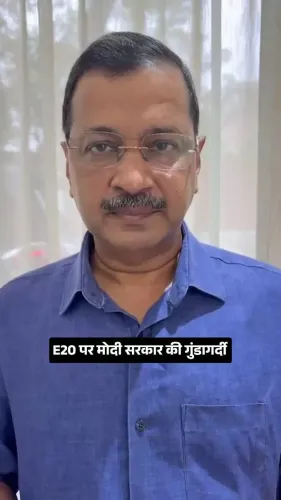
AAP convenor Arvind Kejriwal announced on 8 July 2026 that he is writing to all auto manufacturers in India, demanding they clarify E20 fuel compatibility for pre-2023 vehicles and confirm whether they will compensate consumers for mileage loss or component damage.
Key Takeaways
Arvind Kejriwal announced on 8 July 2026 that he is writing to all auto manufacturing companies in India regarding E20 fuel compatibility.
He demanded companies publicly state whether E20 petrol can be used in vehicles manufactured before 2023 .
Kejriwal asked whether manufacturers will compensate consumers for mileage loss or component damage caused by using E20 in older vehicles.
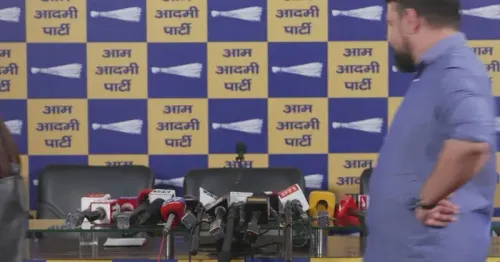
All letters were to be released at a press conference at 12 noon on the same day.
India's National Policy on Biofuels (2018) and a 2021 government target set the stage for E20 availability by 2025, but pre-2023 vehicles were not mandated to be E20 compatible.
Major manufacturers including Maruti Suzuki , Tata Motors , and Hyundai are among those expected to receive the letters.
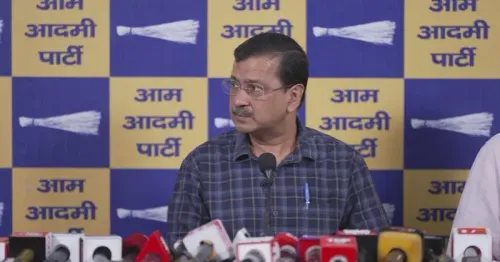
AAP convenor Arvind Kejriwal on Wednesday, 8 July 2026, announced he is writing to all automobile manufacturing companies in India, demanding they publicly clarify whether E20 fuel — petrol blended with 20 per cent ethanol — can safely be used in vehicles manufactured before 2023, and whether companies will compensate owners for mileage loss or component damage arising from its use. Kejriwal said he would release all such letters at a press conference at 12 noon the same day.
Context
In his post, Kejriwal wrote: 'आज मैं देश की सभी auto manufacturing companies को लेटर लिख रहा हूँ' ('Today I am writing a letter to all auto manufacturing companies in the country'), asking them to tell the public whether E20 can be used in products made before 2023. He further demanded to know whether companies would compensate consumers for reduced mileage or damaged components if E20 is used in older vehicles.
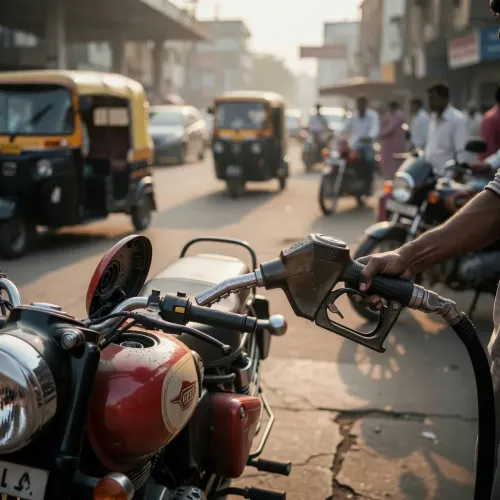
The post signals a direct consumer-protection intervention by the opposition leader, targeting a gap in the government's ethanol blending rollout: millions of older vehicles on Indian roads were not designed or warranted for high-ethanol blends.
Policy Backdrop
India's National Policy on Biofuels, notified in 2018, laid the groundwork for progressively higher ethanol blending in petrol. In 2021, the Government of India advanced its target, aiming to make E20-compliant petrol available nationwide by 2025. The Ministry of Petroleum and Natural Gas has overseen this phased rollout, which is intended to reduce India's dependence on crude oil imports and cut carbon emissions by using surplus sugarcane and grain as feedstock.
From 2022 onward, vehicle manufacturers were directed to ensure new models are E20 compatible. However, this directive left a large installed base of pre-2023 vehicles — including popular models from Maruti Suzuki, Tata Motors, and Hyundai — in an ambiguous position regarding fuel compatibility and warranty coverage.
Stakeholders and Impact
The core concern raised by Kejriwal cuts to the heart of a practical problem for crores of Indian vehicle owners who purchased cars and two-wheelers before E20-compatibility standards were mandated. If E20 fuel causes reduced mileage or component wear in older engines, consumers bear the financial burden unless manufacturers or the government provide a clear remedy.
Auto manufacturers face a reputational and legal question: their silence on warranty coverage for pre-2023 vehicles in an E20 environment could expose them to consumer-forum complaints. The letters, once publicly released, are likely to put pressure on companies to issue formal technical advisories or warranty clarifications.
What's Next
Kejriwal's noon press conference on 8 July 2026 is expected to make the letters public, amplifying pressure on auto firms to respond formally. Responses from major manufacturers on warranty coverage for pre-2023 models, and any clarification from the Ministry of Petroleum and Natural Gas on mandatory E20 transition timelines, will be closely watched. The episode could prompt a broader policy review on consumer safeguards as India pushes toward its ethanol-blending goals.
Point of View
Leaving millions of pre-2023 owners without clear guidance or warranty protection. By publicly writing to manufacturers and releasing the letters at a press conference, he forces auto firms into a reactive position — either they issue formal compatibility assurances or their silence becomes a political liability. This fits a broader AAP pattern of using targeted, issue-specific campaigns to maintain national relevance beyond Delhi. The episode also signals that ethanol policy, long framed as an environmental and energy-security win, is entering a new phase of public scrutiny over its real-world consumer costs.
NationPress
7 Oct 2026
Frequently Asked Questions
What is E20 fuel and why is it controversial for older vehicles?
E20 is petrol blended with 20 per cent ethanol, promoted by the Indian government to cut oil imports and emissions. Vehicles made before 2023 were generally not designed or warranted for E20, raising concerns about reduced mileage and potential damage to fuel-system components.
Why is Kejriwal writing to auto companies about E20?
Kejriwal is demanding that auto manufacturers publicly clarify whether E20 can safely be used in pre-2023 vehicles and whether they will compensate consumers for any mileage loss or component damage resulting from its use.
Which car companies are likely to receive Kejriwal's E20 letters?
The letters are addressed to all automobile manufacturing companies operating in India, which would include major players such as Maruti Suzuki, Tata Motors, and Hyundai, among others.
What is India's E20 fuel policy?
India's National Policy on Biofuels, notified in 2018, set targets for progressive ethanol blending. In 2021, the government aimed to achieve E20-compliant petrol availability by 2025, with new vehicles required to be E20 compatible from 2022 onward.
Will car companies have to pay compensation if E20 damages older vehicles?
No formal obligation currently exists for manufacturers to compensate owners of pre-2023 vehicles for E20-related damage. Kejriwal's letters are intended to publicly pressure companies to clarify their position on this question.