Kejriwal Questions Speed of India's E20 Fuel Rollout
Synopsis
AAP convenor Arvind Kejriwal challenged India's E20 ethanol mandate on 7 July 2026, arguing that Germany, France, the US, and Japan cap blends far lower, Brazil took 50 years to reach E100, and India's three-year rollout is an unjustified rush that overrides public opposition.
Key Takeaways
Kejriwal stated on 7 July 2026 that the government is using international examples to suppress opposition to the E20 ethanol mandate.
Germany, France, and the US do not use ethanol blends above E10 ; Japan uses only E3 .
Thailand offers consumers a choice between E10 and E20 , rather than a single mandatory blend.
Brazil is the only country using E100 , and it took 50 years to reach that level through the Proálcool programme launched in the 1970s.
India's E20 trial began in 2023 and a nationwide mandate has followed within approximately three years, according to Kejriwal's post.
The National Policy on Biofuels 2021 revision advanced the E20 target from 2030 to 2025 , compressing the transition timeline significantly.
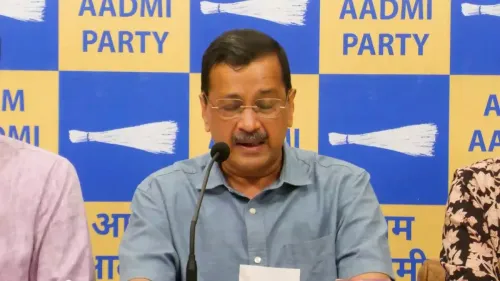
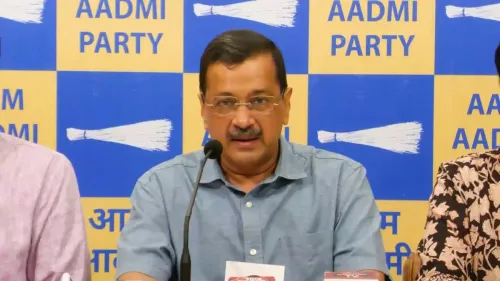
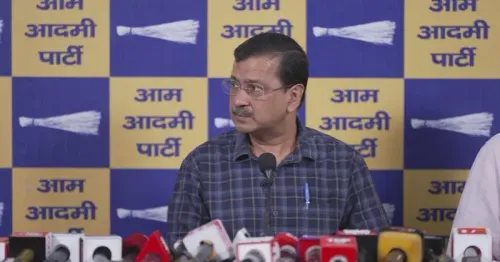
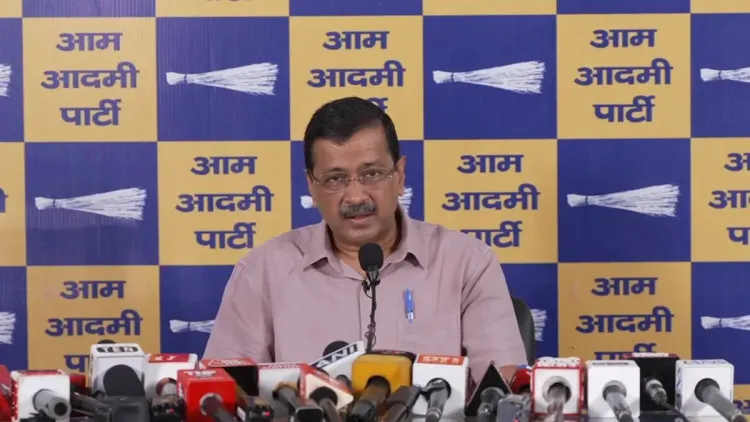
AAP convenor Arvind Kejriwal on Tuesday, 7 July 2026, challenged the central government's pace of mandating E20 ethanol-blended petrol across India, arguing that comparable economies have either capped blending at lower levels or taken decades to reach higher blends — and that India's rapid three-year transition sets a global outlier precedent.
Context
In a post in Hindi, Kejriwal wrote that the government is 'trying to suppress public opposition by citing examples of other countries' on ethanol. He pointed out that Germany, France, and the United States do not use fuel blends above E10, that Japan currently uses only E3, and that Thailand offers consumers a choice between E10 and E20. He noted that Brazil is the only country in the world where E100 is in use — and that Brazil took 50 years to complete that transition.
Kejriwal then drew a direct contrast: 'भारत में 2023 में E20 का ट्रायल किया गया और महज 3 साल में पूरे देश पर E20 थोप दिया गया' — 'In India, E20 trials were conducted in 2023 and within just three years the entire country has had E20 imposed on it.'
Policy Backdrop
India's Ethanol Blended Petrol Programme, launched in 2003, began with a modest 5 per cent blending target in select states. The National Policy on Biofuels 2018 set a roadmap toward 20 per cent ethanol blending by 2030. A 2021 government notification advanced that target by five years to 2025, citing energy security and the need to cut crude-oil import dependence.
The programme is also designed to provide an additional income stream for sugarcane farmers by creating assured demand for ethanol feedstock. Oil marketing companies have been tasked with procuring and blending ethanol to meet the escalating targets.
Stakeholders and Impact
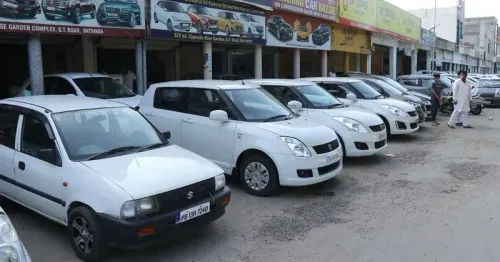
Vehicle owners are at the centre of the debate: older engines and two-wheelers not designed for high-ethanol blends face potential compatibility and warranty concerns, a point that automobile manufacturers have separately flagged with the government. Sugarcane farmers stand to benefit from higher ethanol procurement prices, while oil marketing companies must manage logistics and supply-chain changes at scale.
Kejriwal's comparison to Brazil is notable: Brazil's transition began with the Proálcool programme in the 1970s, building flex-fuel vehicle infrastructure and consumer familiarity over roughly five decades before widespread E100 availability became viable. Critics of the Indian rollout argue that compressing a comparable shift into three years risks consumer harm and vehicle damage without adequate preparation.
What's Next
The Ministry of Petroleum and Natural Gas has not yet issued a public rebuttal to Kejriwal's claims. Observers will watch whether the government revises the E20 mandate timeline or introduces a dual-option system — similar to Thailand's model — that allows consumers to choose between standard petrol and ethanol-blended fuel. Any official clarification on vehicle compatibility standards and compensation for engine damage will be closely tracked by automobile industry bodies and consumer groups.
Point of View
Japan, Thailand, Brazil — rather than outright opposing ethanol blending, he positions AAP as pro-environment but pro-consumer, a distinction that could resonate with urban vehicle owners anxious about engine damage. The Brazil comparison is particularly pointed: it implicitly argues that India is attempting a five-decade transition in five years, which shifts the burden of proof onto the government to justify the compressed timeline. With the 2025 E20 deadline already in play, any political traction this argument gains could force the Ministry of Petroleum into a public defence of the rollout's pace.
NationPress
6 Oct 2026
Frequently Asked Questions
What is E20 fuel and why is India mandating it?
E20 is petrol blended with 20 per cent ethanol . India is mandating it to reduce crude-oil import dependence, lower carbon emissions, and create additional income for sugarcane farmers through ethanol procurement. The target was originally set for 2030 under the National Policy on Biofuels 2018 but was advanced to 2025 in 2021.
Which countries use E20 or higher ethanol blends?
Brazil is the only country where E100 is widely available, a result of a transition that began in the 1970s. Germany, France, and the United States do not use blends above E10 . Japan currently uses only E3 , and Thailand offers both E10 and E20 as consumer options rather than a single mandate.
What did Kejriwal say about India's E20 rollout?
On 7 July 2026 , AAP convenor Arvind Kejriwal said the government is citing international examples to suppress public opposition, but those examples actually show other countries use far lower blends or took decades to transition. He argued India conducted E20 trials in 2023 and imposed a nationwide mandate within just three years.
How long did Brazil take to transition to high-ethanol fuel?
Brazil took approximately 50 years to reach widespread E100 availability, starting with the Proálcool programme in the 1970s. This involved decades of investment in flex-fuel vehicle technology, agricultural infrastructure, and consumer adaptation before high-blend ethanol became the norm.
Will E20 fuel damage older car engines in India?
Vehicle manufacturers and consumer groups have raised concerns that engines not specifically designed or certified for E20 blends — particularly older models and many two-wheelers — may face performance issues, material degradation, or warranty complications. The government has stated that newer vehicles are being built to E20 specifications, but the compatibility of the existing fleet remains a subject of ongoing debate.