Kejriwal Urges Modi to Keep E0, E10 Fuel Options at All Pumps
Synopsis
AAP convenor Arvind Kejriwal has appealed to PM Modi to stock E0, E10, and E20 petrol at every pump nationwide, arguing that forcing a sole E20 standard would effectively scrap hundreds of millions of vehicles not built for higher-ethanol blends and strips citizens of consumer choice.
Key Takeaways
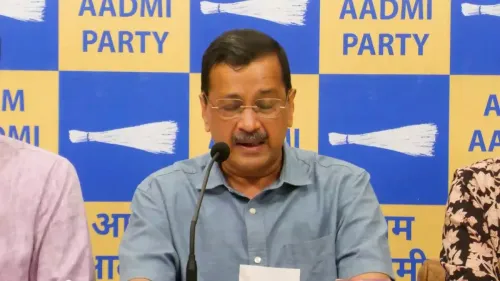
AAP convenor Arvind Kejriwal posted on 7 July 2026 urging PM Narendra Modi to ensure consumer choice on fuel blends.
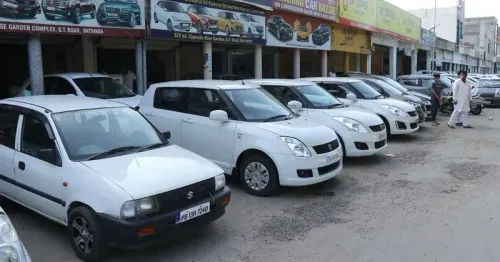
Kejriwal cited 22 crore motorcycles and 8 crore cars as vehicles he claims are incompatible with E20 blended petrol.
He demanded that E0, E10, and E20 fuel variants be simultaneously available at all petrol pumps across India.
The National Policy on Biofuels 2018 set the E20 target, which was advanced from 2030 to 2025 by the central government in 2021.
The argument is framed around consumer rights rather than opposition to the ethanol programme itself.
A regulatory response from the Ministry of Petroleum and Natural Gas on parallel fuel-grade availability remains awaited.
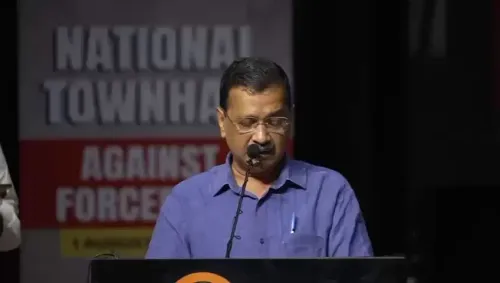
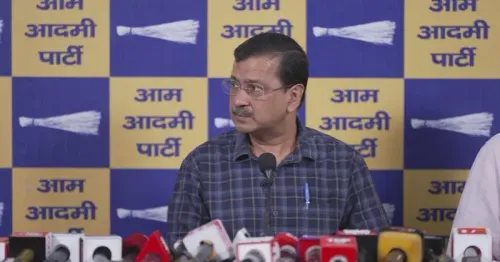
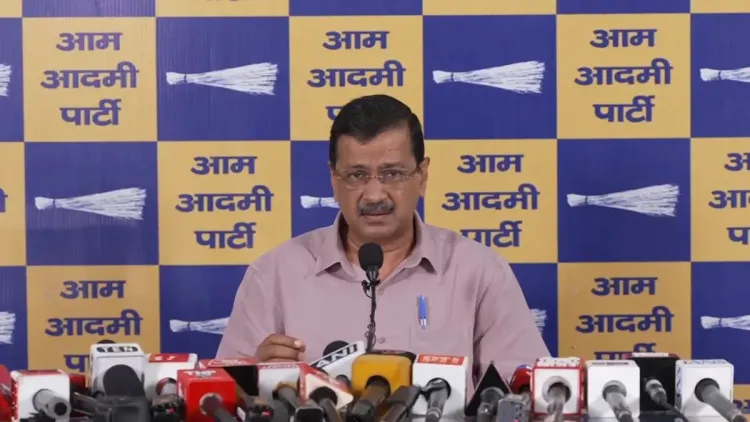
AAP convenor Arvind Kejriwal on Tuesday, 7 July 2026 appealed to Prime Minister Narendra Modi to ensure that petrol pumps across India continue to offer E0, E10, and E20 fuel variants side by side, warning that a forced shift to E20-only supply would effectively render hundreds of millions of existing vehicles unusable.
Context
Posting on X in Hindi, Kejriwal said, 'मैं मोदी जी से हाथ जोड़कर विनती करता हूँ' ('I appeal to Modi ji with folded hands'), urging the government to give citizens a choice rather than impose a single fuel standard. He cited figures of 22 crore motorcycles and 8 crore cars that he claimed were not engineered to run on E20 blended petrol, arguing that a mandatory switchover would turn these vehicles into 'scrap.' He called for the decision on fuel type to rest with vehicle owners, not the state.
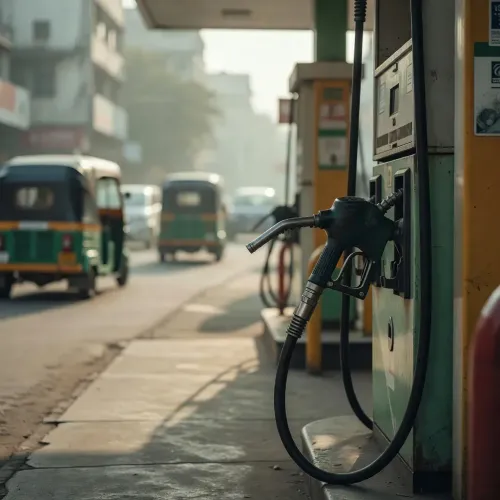
The post comes as India's nationwide E20 rollout — petrol blended with 20 per cent ethanol — moves from pilot to mainstream retail, intensifying a public debate on compatibility and consumer rights.
Policy Backdrop
The National Policy on Biofuels, 2018 laid the original roadmap for progressive ethanol blending, initially targeting 20 per cent blending by 2030. In 2021, the central government advanced that deadline to 2025, citing goals of cutting crude-oil imports, supporting sugarcane farmers, and reducing tailpipe emissions. The programme has since moved from voluntary E10 availability toward a mandatory E20 rollout at fuel retail outlets.
Automobile manufacturers have progressively introduced E20-compatible engines in newer models, but a large share of the existing vehicle fleet — bought under earlier standards — was not designed for higher-ethanol blends. Industry bodies have flagged concerns about fuel-system degradation and mileage loss in older two-wheelers and passenger cars running on E20.
Stakeholders and Impact
The debate cuts across several constituencies. Vehicle owners, particularly those with older motorcycles and entry-level cars, face the most immediate concern about engine wear and warranty implications. Oil marketing companies must weigh the infrastructure cost of maintaining parallel fuel grades at every pump against the logistical simplicity of a single blended standard. Sugarcane farmers and ethanol producers, on the other hand, have a direct economic interest in the widest possible adoption of higher-blend fuels.
Kejriwal's intervention frames the issue explicitly as one of consumer choice, positioning the opposition argument not against the ethanol programme itself but against the removal of lower-blend or pure-petrol options from forecourts.
What's Next
The central government has not formally responded to the demand for mandatory multi-grade availability at all retail outlets. Regulatory clarity from the Ministry of Petroleum and Natural Gas and the Bureau of Indian Standards on whether E0 and E10 must be retained alongside E20 will be the key policy signal to watch. With the E20 rollout already under way at hundreds of pumps, any reversal or parallel-supply mandate would require both supply-chain adjustments and revised retail norms. The political pressure from opposition leaders like Kejriwal is likely to keep this issue in public discourse ahead of any formal regulatory review.
Point of View
AAP sidesteps the politically risky position of opposing a green-energy programme outright while still landing a pointed critique of top-down policy implementation. The move fits a broader opposition pattern of contesting the Modi government's technocratic mandates on the grounds of affordability and ground-level readiness. Whether it shifts policy or merely builds political capital ahead of future elections, it puts the government on the defensive about the social equity dimensions of its energy transition.
NationPress
6 Oct 2026
Frequently Asked Questions
What is E20 petrol and why is it controversial in India?
E20 petrol is fuel blended with 20 per cent ethanol, promoted by the Indian government to cut crude-oil imports and emissions. It is controversial because a large portion of older vehicles on Indian roads were not engineered for high-ethanol blends, raising concerns about engine damage and mileage loss.
What did Kejriwal say about E20 petrol on 7 July 2026?
Kejriwal appealed to PM Modi to make E0, E10, and E20 petrol available at every pump simultaneously, arguing that forcing a single E20 standard would render crores of existing motorcycles and cars unusable and that the choice of fuel should rest with vehicle owners.
How many vehicles in India are reportedly incompatible with E20?
Kejriwal cited 22 crore motorcycles and 8 crore cars as vehicles not built for E20 blended petrol. These figures are his stated claim; their exact verification from public records has not been independently established.
What is India's National Policy on Biofuels and what does it say about E20?
The National Policy on Biofuels 2018 set a roadmap for progressive ethanol blending, originally targeting 20 per cent blending by 2030. In 2021, the central government advanced the E20 deadline to 2025 to accelerate energy security and import substitution goals.
Will the government keep E10 and E0 petrol available alongside E20?
No formal government decision has been announced on mandating parallel availability of E0 and E10 at all retail pumps alongside E20. Regulatory clarity from the Ministry of Petroleum and Natural Gas is awaited.