Kejriwal Marches to PM's Home Over E20 Fuel Damage Claims
Synopsis
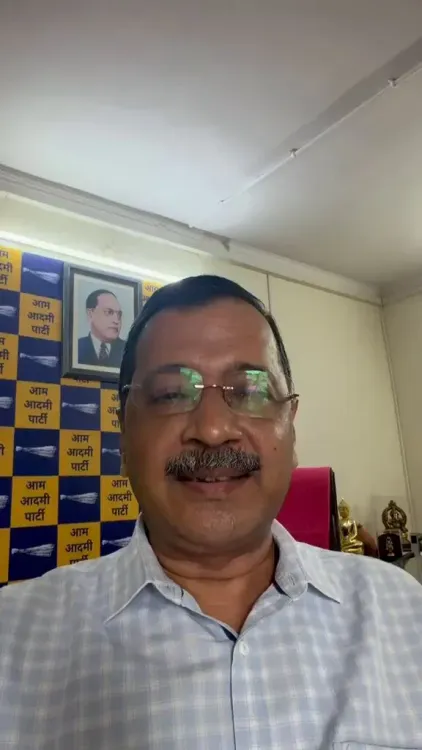
AAP convenor Arvind Kejriwal led a march to the Prime Minister's residence on August 4, 2026, carrying over 2 lakh petitions and 100 citizens with damaged vehicles, alleging that bulk US ethanol imports — driven by Trump's pressure on Modi — are fuelling E20 blends that are wrecking ordinary Indians' cars.
Key Takeaways
Arvind Kejriwal marched to the Prime Minister's residence on August 4, 2026 with over 2 lakh petitions against American ethanol imports.
He alleges Modi is buying large quantities of US ethanol under pressure from Donald Trump , prioritising trade appeasement over public interest.
100 vehicle owners joined the march, claiming their cars and bikes were damaged by E20 fuel — a 20 per cent ethanol-blended petrol.
India's Ethanol Blended Petrol (EBP) programme was originally a domestic policy to cut crude oil imports and support farmers, not to absorb US exports.
Kejriwal appealed directly to PM Modi to halt the practice, expressing hope that the Prime Minister would 'hear the people's voice.'
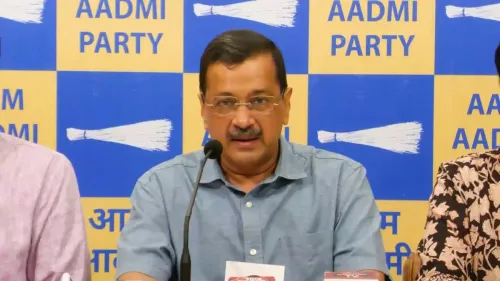
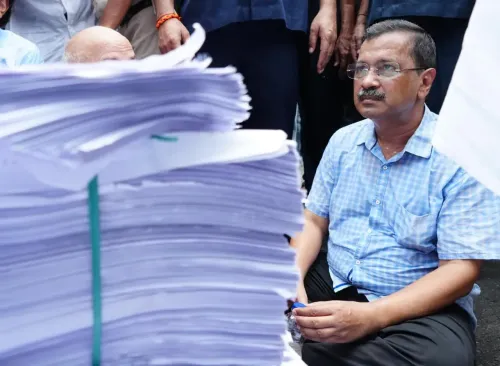
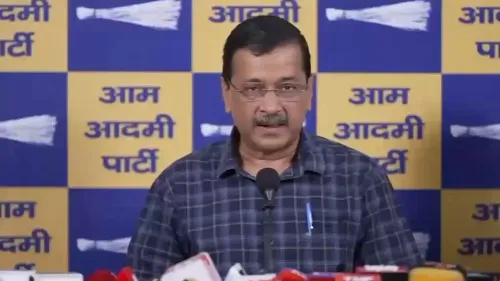
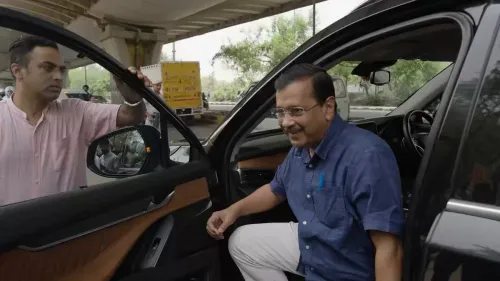
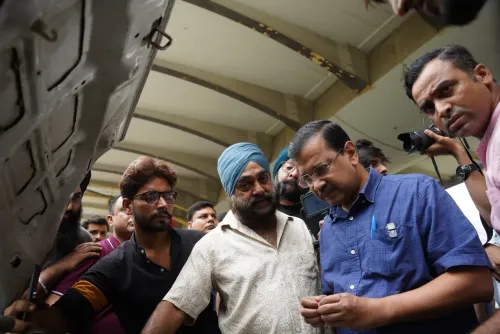
With over 2 lakh petitions in hand and 100 citizens whose vehicles they say were wrecked by blended fuel, AAP convenor Arvind Kejriwal led a delegation to the Prime Minister's residence on Tuesday, August 4, 2026, demanding a halt to bulk American ethanol imports he says are driven by Donald Trump's pressure — and are quietly destroying ordinary Indians' cars.
The E20 Complaint: Petrol Blends and Engine Damage
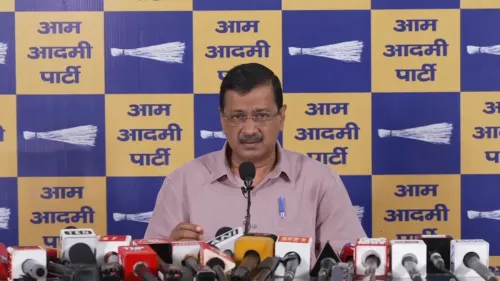
Kejriwal's charge is pointed: under pressure from Washington, the Modi government is purchasing large quantities of ethanol from the United States, and that imported ethanol is feeding into E20 — a petrol blend containing 20 per cent ethanol — that is now at pumps across India. He posted in Hindi, 'ट्रंप की गुलामी ये कर रहे और गाड़ियां आम आदमी की ख़राब हो रही हैं' ('They are serving Trump's interests while ordinary people's vehicles are getting ruined').
The 100 vehicle owners accompanying the march claim direct engine damage attributable to E20 fuel. Older petrol engines and two-wheelers, which make up the bulk of India's vehicle fleet, are widely considered more vulnerable to high-ethanol blends than flex-fuel or newer E20-compatible models.
The Trade Angle: US Ethanol and India's Blending Programme
India's Ethanol Blended Petrol (EBP) programme has been a domestic policy priority for years, originally designed to reduce import dependency on crude oil and support sugarcane farmers. The AAP leader's allegation reframes that narrative — arguing that the blending programme is now being used as a channel to absorb American agricultural exports, with Modi bowing to Trump's trade demands rather than prioritising domestic supply or vehicle safety.
Kejriwal urged Prime Minister Narendra Modi to listen to the public: 'उम्मीद है प्रधानमंत्री जी जनता की आवाज़ ज़रूर सुनेंगे' — 'We hope the Prime Minister will definitely hear the people's voice.'
Petitions at 7, Lok Kalyan Marg
The decision to physically march to 7, Lok Kalyan Marg — the official Prime Ministerial residence — with a petition count crossing 2 lakh is a deliberate piece of street-level pressure politics. It moves the grievance from a social media post to a documented, on-the-ground demand that the government must formally receive or visibly refuse.
Whether the Prime Minister's office accepts the petitions or engages with the delegation will determine whether this becomes a sustained campaign issue in the run-up to upcoming state electoral cycles.
Point of View
AAP is engineering a visual confrontation that forces the government to either engage or be seen ignoring 2 lakh citizens. The move fits a broader AAP pattern of translating policy disagreements into street-level moral theatre, particularly effective when the target is a tangible, felt grievance like a damaged engine rather than an abstract fiscal number. If the E20-damage claims gain traction with vehicle owner communities — a large, cross-party constituency — this could become an uncomfortable issue for the ruling dispensation ahead of state polls.
NationPress
18 Sept 2026
Frequently Asked Questions
What is E20 fuel and why is Kejriwal protesting against it?
E20 is petrol blended with 20 per cent ethanol. Kejriwal alleges that the Modi government is importing large quantities of US ethanol under pressure from Donald Trump to meet this blending target, and that the resulting fuel is damaging engines of ordinary Indians' vehicles, particularly older models and two-wheelers.
What did Kejriwal do at the Prime Minister's residence on August 4, 2026?
Kejriwal led a delegation to the PM's residence at 7, Lok Kalyan Marg, carrying over 2 lakh petitions and accompanied by 100 citizens who claim their vehicles were damaged by E20 fuel, urging PM Modi to stop bulk American ethanol imports.
Is India buying ethanol from the United States?
Kejriwal has alleged that India is purchasing ethanol from the US in large quantities under pressure from Donald Trump. The government has not responded to this specific claim as of this report.
Can E20 fuel damage car engines?
High-ethanol fuel blends can cause issues in older petrol engines and two-wheelers not designed for E20 compatibility, including fuel system corrosion and performance problems. Newer vehicles sold in India after 2023 are required to be E20-compatible.
What is India's Ethanol Blended Petrol programme?
India's Ethanol Blended Petrol (EBP) programme aims to mix domestically produced ethanol — primarily from sugarcane and grain — into petrol to reduce crude oil import costs and support farmers. The government has targeted 20 per cent blending by 2025-26.