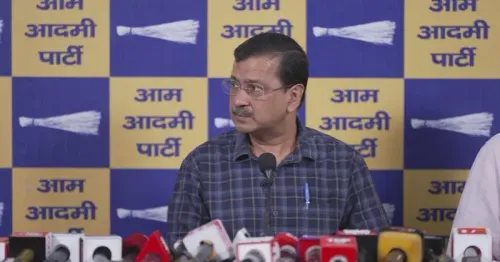
Kejriwal accuses Modi of forcing ethanol imports to please Trump
Synopsis
AAP convenor Arvind Kejriwal accused PM Modi of forcing India to massively expand US ethanol imports under the E20 mandate to appease President Trump, claiming a fivefold jump from last year's 1 billion litres.
Key Takeaways
Arvind Kejriwal alleged on 1 August 2026 that PM Modi is imposing ethanol imports on India to please US President Trump.
India reportedly imported 1 billion litres of ethanol from the United States in the previous year, according to Kejriwal's post.
With E20 now in force, Kejriwal claims India will import five times more US ethanol this year.
India's Ethanol Blended Petrol Programme began in 2003; the E20 target was accelerated from 2030 to 2025 in 2021.
The specific import volumes and the alleged political link to Trump pressure are unverified by official data as of publication.
Official blending and import figures from the Petroleum Ministry are expected in coming quarters and will be a key test of the claim.
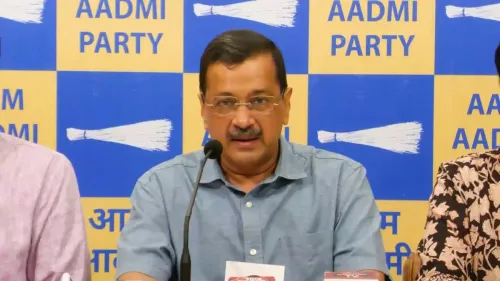
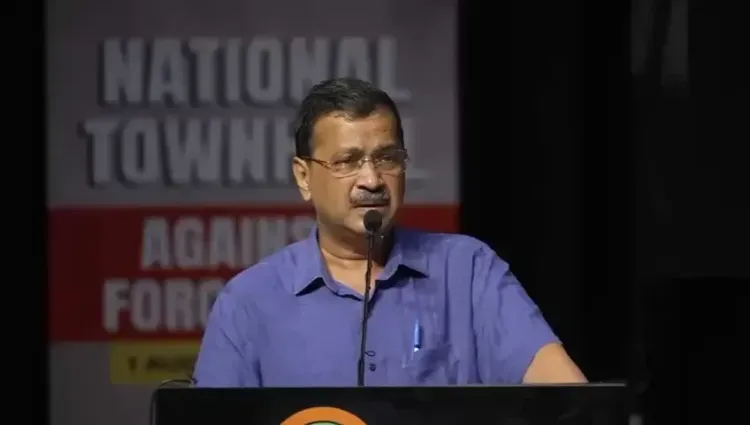
A policy that was sold to Indians as a homegrown energy revolution is now being recast — at least by one prominent critic — as a favour to Washington. AAP convenor Arvind Kejriwal fired a sharp broadside on Saturday, 1 August 2026, accusing Prime Minister Narendra Modi of bending India's fuel policy to please US President Donald Trump, at the direct expense of Indian consumers.
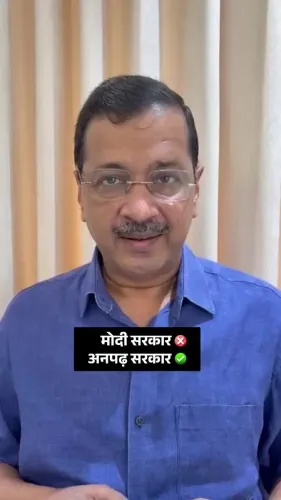
Kejriwal's post, written in Hindi, pulled no punches: 'Modi ji Trump ko khush karne ke liye hamare desh par zabardasti Ethanol thop rahe hain' — ('Modi is forcibly imposing ethanol on our country just to please Trump'). He went further, citing specific numbers: India imported 1 billion litres of ethanol from the United States last year, and with the E20 blending mandate now in force, he claimed that figure would rise fivefold in the current year.
What E20 actually is — and why it matters now
India's Ethanol Blended Petrol Programme dates back to 2003, designed to gradually mix plant-derived ethanol into petrol to cut crude oil import bills and channel extra income to the sugar sector. The National Policy on Biofuels (2018) set an indicative target of 20% ethanol blending by 2030. Then, in 2021, the government accelerated that deadline to 2025 — making E20 not a distant aspiration but an imminent operational reality for oil marketing companies and, ultimately, every motorist in India.
The domestic logic was always clear: less crude imported, more sugarcane crushed, more farmers paid. What Kejriwal is now arguing is that the execution has flipped the script — that instead of domestic ethanol filling the blend, American ethanol is filling the gap, turning an energy-security measure into a trade concession.
The US angle: world's largest ethanol producer enters the frame
The United States is, by a wide margin, the world's largest ethanol producer — a fact Kejriwal's post specifically names. US-India trade negotiations have, over multiple rounds, included discussions on agricultural market access, and biofuels have featured in that conversation. The overlap between India's accelerated blending mandate and active trade diplomacy with Washington is the core of the AAP leader's allegation.
The import figures Kejriwal cites — 1 billion litres last year and a projected 5 billion litres this year — are significant claims. It is worth noting that these specific volumes and the direct causal link to political pressure have not been independently verified. The Petroleum Ministry's official ethanol import and blending data, expected in coming quarters, will either corroborate or complicate this narrative considerably.
Kejriwal's political calculation
The attack is calibrated. By linking a technical fuel-blending policy to Trump — a figure who polarises opinion sharply in India — Kejriwal is attempting to reframe a technocratic debate as a sovereignty question. The closing line of his post made the stakes explicit: 'Trump ko khush karne ke liye Modi ji desh ki janta ko barbad kar rahe hain' — ('To please Trump, Modi is destroying the people of this country').
Opposition parties have periodically alleged that India's blending policies benefit import pipelines over fully domestic production chains. Kejriwal is now sharpening that critique with a geopolitical edge, arriving at a moment when US-India trade terms are under active public scrutiny.
When the Petroleum Ministry releases its next ethanol blending achievement report, those numbers will either hand Kejriwal a megaphone — or hand the government a rebuttal.
Point of View
The framing is politically potent: it simultaneously targets Modi's trade diplomacy and his domestic credibility with farmers and consumers. The allegation also arrives at a moment when US-India trade terms are unusually visible in public discourse, giving the attack a ready-made news hook. The government's silence or rebuttal in the coming days will determine whether this becomes a sustained pressure point or a one-cycle flash.
NationPress
15 Sept 2026
Frequently Asked Questions
What is E20 and why is Kejriwal criticising it?
E20 is India's mandate to blend 20% ethanol into petrol, advanced to 2025 from an original 2030 target. Kejriwal alleges that instead of boosting domestic ethanol use, the policy is funnelling large-scale imports from the United States, effectively benefiting American producers.
How much ethanol does India import from the US?
Kejriwal's post states India imported 1 billion litres of ethanol from the United States last year and projects a fivefold increase this year under E20. These figures have not been independently verified by official Petroleum Ministry data as of publication.
Is the US really the world's largest ethanol producer?
Yes. The United States is the largest ethanol-producing country in the world, accounting for a significant share of global output, largely from corn-based fermentation.
What is India's Ethanol Blended Petrol Programme?
Launched in 2003, the programme gradually introduces ethanol — largely derived from sugarcane — into petrol supplies to reduce crude oil import dependence and support the agricultural sector. The 2018 National Policy on Biofuels set a 20% blending target, later accelerated to 2025.
Has the Indian government responded to Kejriwal's allegations?
No official government response to Kejriwal's specific claims had been issued at the time of publication. The Petroleum Ministry's upcoming ethanol blending data release is expected to provide the clearest factual counter or confirmation.