Kejriwal flags E20 fuel damage, urges Modi govt to halt rollout
Synopsis
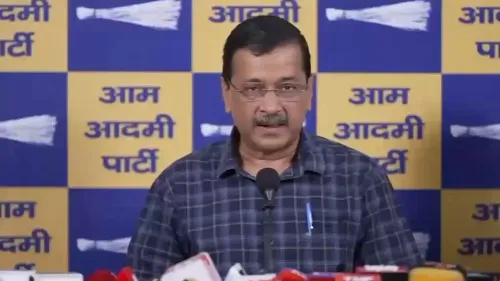
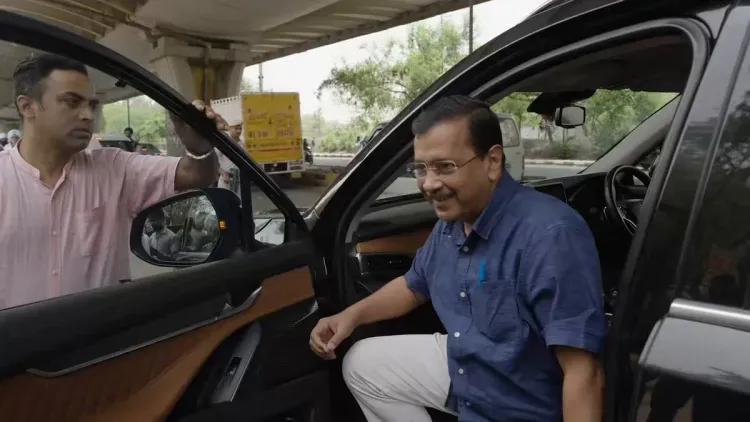
AAP convenor Arvind Kejriwal posted a video on 12 July 2026 alleging that Delhi mechanics and car owners are suffering engine damage and mileage drops from the E20 ethanol-petrol blend, demanding the Modi government halt the rollout that he says is crushing the middle class.
Key Takeaways
Arvind Kejriwal posted a video on 12 July 2026 alleging widespread vehicle damage linked to E20 ethanol-blended petrol in Delhi .
He claimed mechanics reported queues of damaged cars and significant mileage drops among vehicle owners.
Kejriwal demanded the Modi government immediately stop imposing E20 on citizens, accusing it of spreading misinformation through TV interviews and press conferences.
India's Ethanol Blended Petrol Programme has been in place since 2003 ; the 20% blending target was advanced to 2025 from the original 2030 deadline.
Older, non-compatible vehicles — common among middle-class owners — are most vulnerable to fuel-related engine issues.
The controversy signals that E20 is emerging as a politically charged consumer issue in urban India.
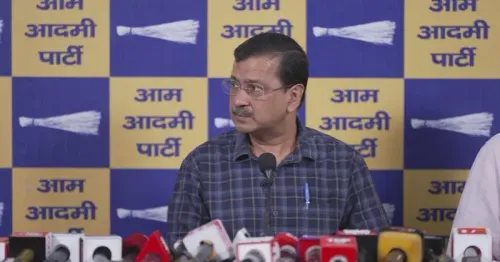
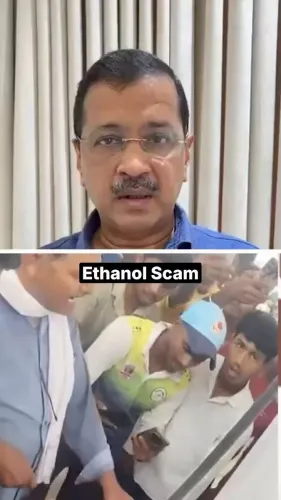
AAP convenor Arvind Kejriwal on Sunday, 12 July 2026, shared a video on X claiming that car mechanics and vehicle owners in Delhi are facing engine damage and steep mileage drops due to the central government's E20 ethanol-blended petrol rollout, and demanded that the Modi government immediately stop imposing the fuel blend on citizens.
Context
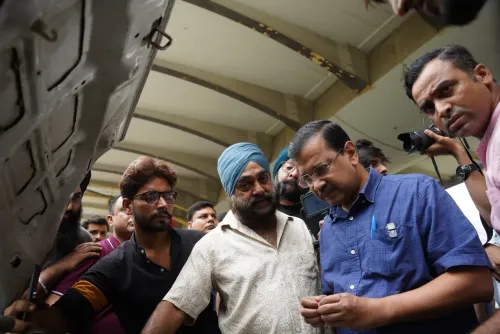
Kejriwal posted the video after what he described as a ground-level conversation with mechanics and car owners in Delhi. 'E20 ke karan kharab hui gadiyon ki line lagi hui thi' (There was a queue of vehicles damaged because of E20), he wrote, adding that mileage had fallen sharply and people were distressed.
He directed his criticism squarely at the central government, saying: 'The Modi government must understand that giving false interviews on TV and holding fake press conferences will not change ground reality. Stop imposing E20 on people. The water is now going above the heads of the middle class.'
Policy Backdrop
India's Ethanol Blended Petrol Programme dates to 2003, when a modest 5% blending target was introduced. The National Biofuel Policy 2018 set an ambitious 20% ethanol blending goal, originally for 2030.
In 2021, the central government advanced that target to 2025 and began a phased rollout of E20 across states. The programme is managed by the Ministry of Petroleum and Natural Gas and is part of a broader energy-security and agricultural-surplus utilisation strategy. Proponents argue it cuts crude oil imports and lowers vehicular emissions; critics contend the rapid transition has outpaced vehicle-compatibility standards.
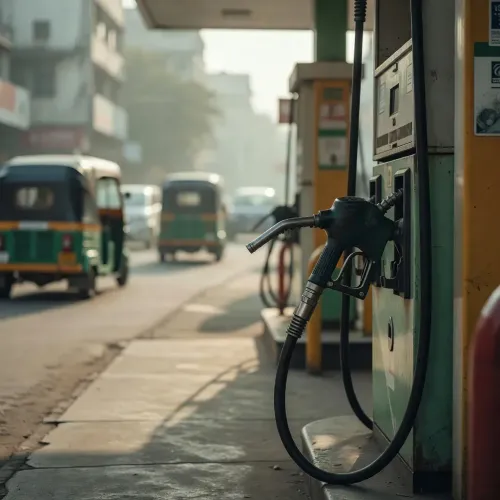
Older petrol vehicles — which remain common on Indian roads — were not engineered to handle a 20% ethanol blend, and public complaints about mileage loss and engine wear have surfaced repeatedly since the accelerated rollout began.
Stakeholders and Impact
The sharpest impact is felt by middle-class car owners and small vehicle operators who cannot afford to replace older, non-E20-compatible cars. Mechanics, particularly in dense urban markets like Delhi, report a rising volume of fuel-related repair work.
Farmers and sugarcane growers, on the other hand, benefit from the programme's demand for ethanol feedstock. The government has also cited reduced dependence on crude imports as a strategic gain. The tension between these competing interests lies at the heart of the policy debate Kejriwal is seeking to amplify.
What's Next
Pressure is likely to mount on the central government to clarify its vehicle-compatibility roadmap and consider whether blending timelines need adjustment for regions with high concentrations of older vehicles. Parliament may see questions on any proposed revision to Bharat Stage emission norms or fuel-quality standards that would address compatibility gaps.
Kejriwal's intervention signals that E20 is becoming a street-level political issue ahead of future electoral cycles, with the urban middle class emerging as a key constituency watching the government's response closely.
Point of View
He sidesteps the policy's genuine environmental and energy-security merits and focuses attention on implementation failures. The Modi government's accelerated ethanol timeline, while strategically sound on paper, has visibly outrun the vehicle-compatibility infrastructure needed to make the transition painless. If the government does not respond with concrete remedial steps — such as a compatibility subsidy or a phased rollout revision — the E20 debate risks becoming a durable urban political liability.
NationPress
10 Oct 2026
Frequently Asked Questions
What is E20 fuel and why is it controversial in India?
E20 is a blend of 20% ethanol and 80% petrol that the central government has been rolling out across India since 2021 , advancing a target originally set for 2030. Controversy has grown because many older vehicles were not designed for such a high ethanol content, leading to complaints of engine damage and reduced mileage, particularly among middle-class car owners.
What did Kejriwal say about E20 fuel on 12 July 2026?
Arvind Kejriwal posted a video claiming that car mechanics and vehicle owners in Delhi showed him queues of E20-damaged vehicles and reported heavy mileage drops. He demanded the Modi government stop imposing E20 on citizens, calling official communications on the subject misleading.
Which vehicles are most affected by E20 petrol?
Older petrol vehicles not engineered for a 20% ethanol blend are most at risk. These cars — common among middle-class and lower-income owners who cannot afford newer models — may experience fuel-system corrosion, reduced engine performance, and lower mileage when run on E20.
When did India start the ethanol blending programme?
India launched the Ethanol Blended Petrol Programme in 2003 with an initial 5% blending target. The National Biofuel Policy 2018 set a 20% target for 2030, which the government then advanced to 2025 in 2021.
What could the government do to address E20 compatibility complaints?
Policy options include slowing or differentiating the blending rollout for regions with older vehicle fleets, introducing compatibility subsidies or retrofit programmes, updating Bharat Stage fuel standards to address engine wear, and issuing clearer public guidance on which vehicles can safely use E20.