Kejriwal to Visit Petrol Pumps Over Ethanol Labelling Row
Synopsis
AAP convenor Arvind Kejriwal accused the central government of labelling ethanol critics 'anti-national' and announced a personal visit to petrol pumps on 11 July 2026 to document ordinary citizens' grievances with the blending programme and share them publicly.
Key Takeaways
Kejriwal posted on 11 July 2026 accusing the government of calling ethanol critics 'anti-national' and members of the 'petrol lobby.' He announced a personal visit to petrol pumps and service stations to speak with ordinary citizens about ethanol-related problems.
The central government's Ethanol Blended Petrol Programme targets 20 per cent blending , a deadline advanced from 2030 to 2025 in 2021.
Key stakeholders include vehicle owners, sugarcane farmers, oil marketing companies, and pump operators.
AAP governs Punjab , a major grain-producing state with direct stakes in ethanol procurement policy.
Kejriwal said he would share citizens' feedback publicly , signalling an imminent follow-up communication.
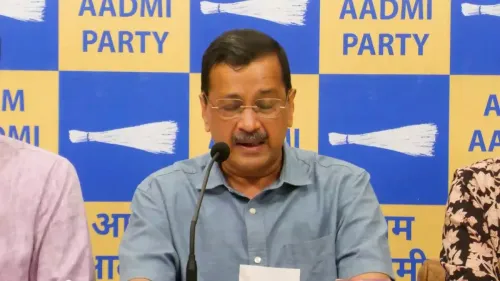
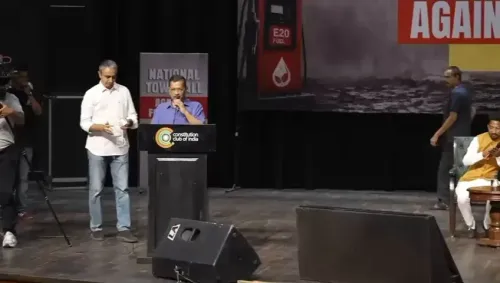
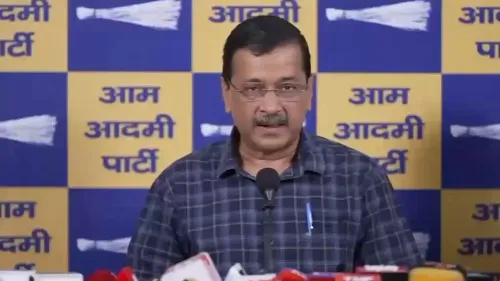
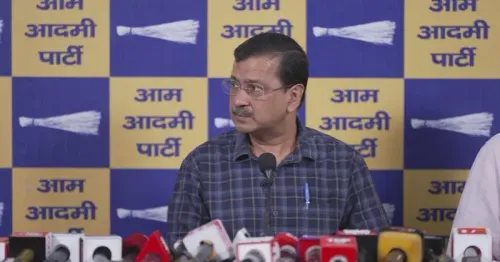
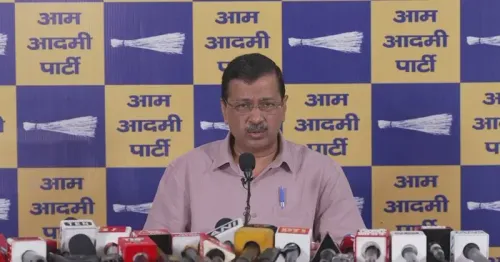
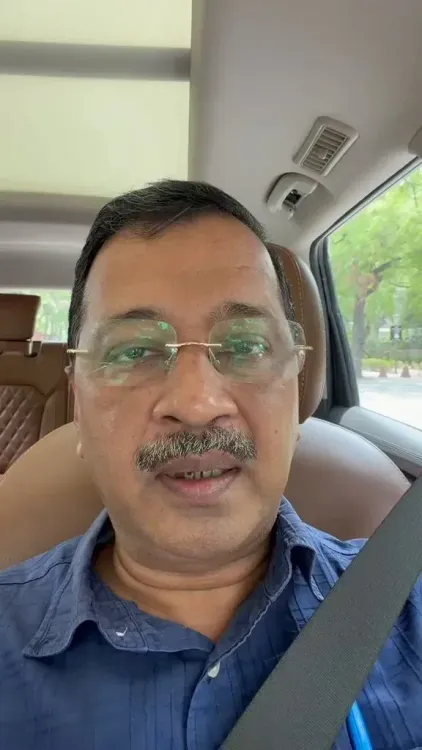
AAP convenor Arvind Kejriwal on Saturday, 11 July 2026, announced he would personally visit petrol pumps and service stations to speak with ordinary citizens about problems they are facing with the government's ethanol-blending programme, accusing the central government of branding every critic an 'anti-national' or a member of the 'petrol lobby.'
In a post in Hindi and English, Kejriwal wrote: 'Ethanol par bolne wale har aam aadmi ko sarkar tarah-tarah ki gaali de rahi hai — Anti-National, petrol lobby, aur bhi kuch-kuch.' ('The government is abusing every common person who speaks about ethanol — calling them anti-national, petrol lobby, and worse.') He added: 'This much arrogance is not right,' and said he would share citizens' concerns directly with the public.
Context
The central government's Ethanol Blended Petrol (EBP) Programme has been a flagship energy-security initiative. The National Policy on Biofuels, 2018 set an indicative target of 20 per cent ethanol blending by 2030, a deadline subsequently advanced to 2025 following a policy revision in 2021. The programme sources ethanol primarily from sugarcane and surplus food grains, with the stated goals of cutting crude oil imports and supporting farmers.
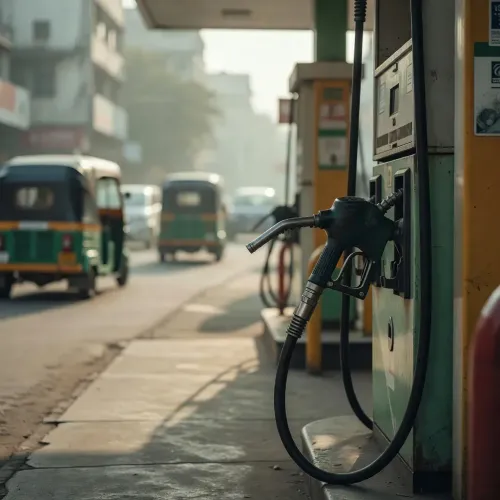
As E20 fuel — petrol blended with up to 20 per cent ethanol — has rolled out at retail outlets across India, questions have emerged from vehicle owners, mechanics, and consumer groups about compatibility with older engines, fuel efficiency, and pricing transparency at the pump. Kejriwal's announcement signals that opposition scrutiny of these consumer-level concerns is intensifying.
Policy Backdrop
Successive central governments have expanded ethanol blending as a pillar of energy transition policy, linking procurement to sugarcane and grain surpluses to simultaneously support the farm sector. Oil marketing companies have been mandated to ramp up blending volumes year on year. The Aam Aadmi Party (AAP), which governs Punjab — a major grain-producing state — has periodically raised questions about the pace of rollout, retail price effects, and vehicle warranty implications.
Kejriwal's characterisation of the government's response as abusive and arrogant is a direct escalation of that critique. By framing the dispute as one between 'every common person' and an intolerant administration, he is deploying the party's signature populist register against a national policy.
Stakeholders and Impact
The ethanol debate touches multiple constituencies: vehicle owners concerned about engine wear and mileage on blended fuel; sugarcane farmers who benefit from ethanol procurement prices; and oil marketing companies navigating blending mandates and supply logistics. Petrol pump operators and independent service-station mechanics occupy a front-line position, often fielding consumer complaints about fuel quality and performance.
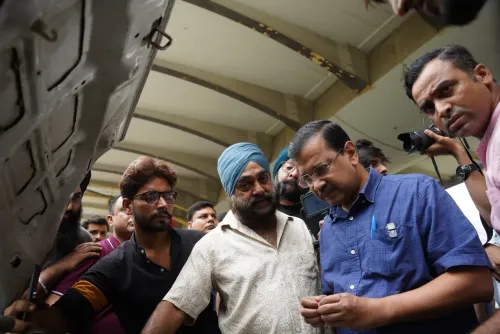
Kejriwal's planned field visit — meeting citizens at pumps and garages — is designed to surface these ground-level grievances and give them political visibility. The move also puts pressure on the government to respond substantively rather than dismissing critics.
What's Next
Kejriwal has said he will share the feedback he collects directly with the public, suggesting a follow-up post or press interaction is imminent. Broader watchpoints include parliamentary committee deliberations on blending targets, any government clarification on vehicle compatibility and warranty protections under E20, and whether other opposition leaders amplify the consumer-grievance angle. How the central government responds to Kejriwal's 'arrogance' charge will shape the next phase of this debate.
Point of View
Citizen-sourced narrative against a central government policy. By framing every ethanol critic as a victim of official name-calling, he is widening the constituency of the aggrieved beyond party lines to include vehicle owners, mechanics, and small pump operators. The 'arrogance' charge is calibrated to resonate with voters who feel shut out of policy conversations. This escalation fits a broader pattern of AAP using consumer-welfare issues — electricity bills, water tariffs, fuel prices — as wedge issues against the ruling dispensation at the Centre.
NationPress
10 Oct 2026
Frequently Asked Questions
Why is Kejriwal visiting petrol pumps in July 2026?
Kejriwal is visiting petrol pumps and service stations on 11 July 2026 to collect first-hand feedback from citizens about problems they are facing with ethanol-blended petrol, and to share those concerns publicly.
What is the ethanol blending programme in India?
The Ethanol Blended Petrol Programme mixes ethanol derived from sugarcane and grains with petrol to reduce crude oil imports. The government's target of 20 per cent blending was advanced from 2030 to 2025 under a 2021 policy revision.
What did Kejriwal say about the government's response to ethanol critics?
Kejriwal alleged that the government is calling everyone who raises concerns about ethanol an 'anti-national' or a member of the 'petrol lobby,' and said 'this much arrogance is not right.'
What is E20 fuel and does it affect vehicles?
E20 is petrol blended with up to 20 per cent ethanol . Vehicle owners and mechanics have raised concerns about engine compatibility, fuel efficiency, and warranty implications, particularly for older vehicles not designed for high-ethanol blends.
What is AAP's position on the ethanol policy?
AAP has periodically questioned the pace of the ethanol rollout, its retail price effects, and vehicle compatibility issues. The party governs Punjab , a major grain-producing state with direct stakes in ethanol procurement pricing.