Anurag Thakur on BJP's Ideological Training Model
Synopsis
BJP MP Anurag Thakur on 8 July 2026 reaffirmed that party workers are grounded in cultural nationalism and integral humanism, calling organisational training a continuous process of learning, self-reflection, and public service — a reiteration of the BJP's cadre-first ideological model first codified by Deendayal Upadhyaya in 1964–65.
Key Takeaways
BJP MP Anurag Thakur posted on 8 July 2026 reaffirming the party's commitment to ideological training for its workers.
He stated BJP workers are grounded in cultural nationalism and Integral Humanism (Ekatma Manavvad) .
Training within the BJP is described as a continuous process covering theoretical and practical dimensions alongside self-reflection and public service.
Integral Humanism was first articulated by BJP ideologue Deendayal Upadhyaya in 1964–65 and remains the party's official guiding philosophy.
The BJP has institutionalised regular cadre training drawing from both Upadhyaya's thought and RSS organisational practices since its founding in 1980 .
The post signals continued emphasis on ideological cohesion and cadre discipline outside election cycles.
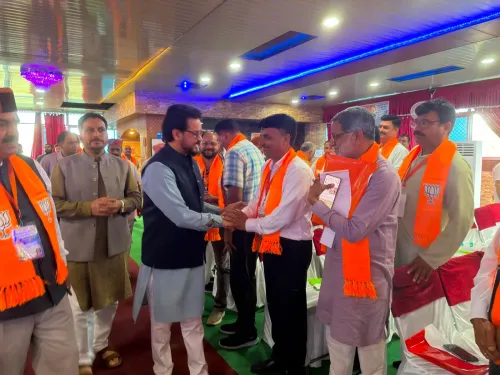
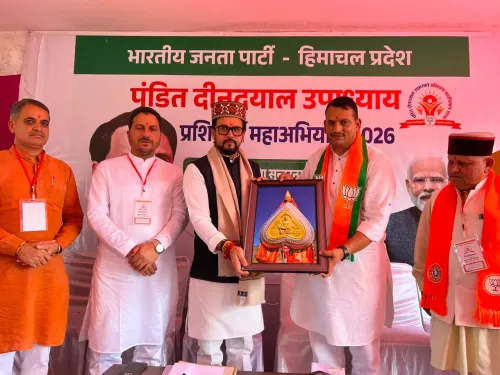
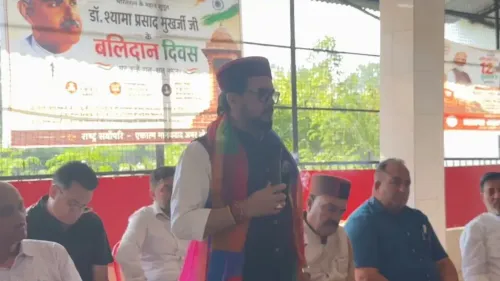
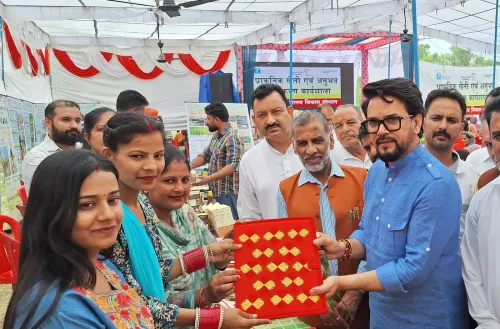
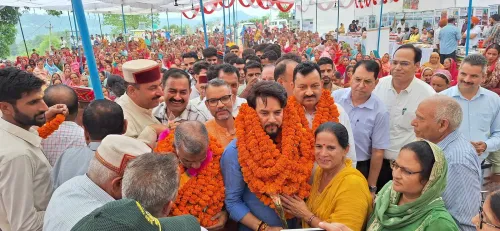
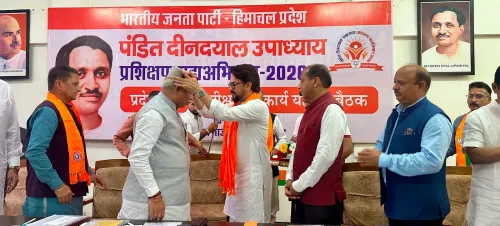
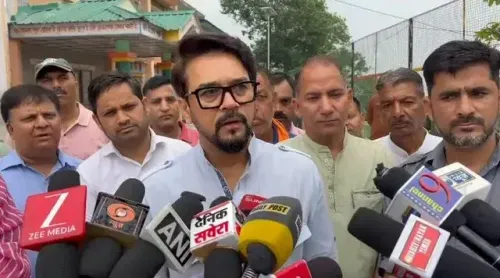
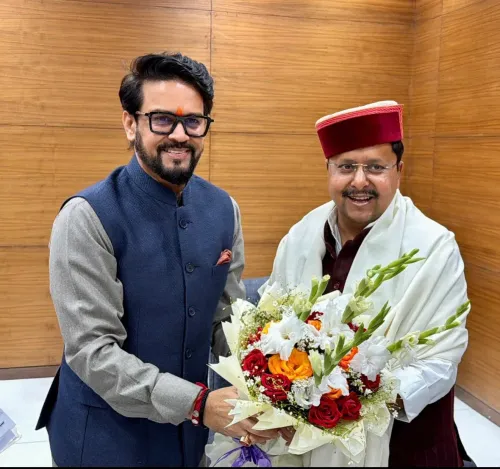
BJP Lok Sabha MP Anurag Thakur on Wednesday, 8 July 2026, underscored the foundational role of ideological training within the Bharatiya Janata Party, stating that its workers are rooted in the principles of cultural nationalism and integral humanism and are driven by a spirit of service. Thakur, who represents Hamirpur constituency in Himachal Pradesh, shared the remarks alongside four images on the social media platform X.
Context
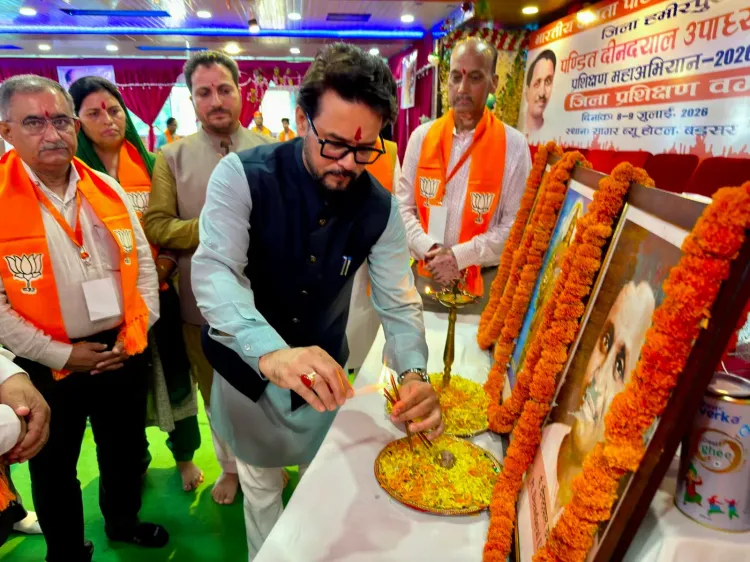
In his post, Thakur wrote that 'BJP ke karyakarta sanskritik rashtravad aur ekatma manavvad ke siddhanton par aadharit hote hain' — meaning 'BJP workers are grounded in the principles of cultural nationalism and integral humanism' — and that training within the party organisation is a continuous process. He emphasised that this training encompasses both theoretical and practical dimensions, with workers expected to engage in constant learning, self-reflection, and dedication to public service. The post does not reference a specific training event or location, but the imagery accompanying it suggests an organisational gathering of party workers.
Policy Backdrop
The philosophy of Integral Humanism (Ekatma Manavvad) was formally articulated by BJP ideologue Deendayal Upadhyaya through a series of lectures in 1964–65, and was adopted as the guiding philosophy of the Bharatiya Jana Sangh, the BJP's predecessor. When the BJP was founded in 1980, it institutionalised this framework as a core organisational principle, drawing also from the training traditions of the Rashtriya Swayamsevak Sangh (RSS), the Hindu nationalist volunteer body that has historically supplied the BJP with its ideological and cadre infrastructure. Regular training camps, known as shivirs, have been a feature of BJP organisational life at both state and national levels since the 1990s.
Stakeholders and Impact
The primary audience for Thakur's remarks is the BJP's vast network of karyakartas (party workers) and grassroots cadres spread across the country. Senior leaders periodically reiterate core ideological principles to reinforce cadre discipline and doctrinal cohesion, particularly during periods between election cycles when organisational consolidation takes priority. This emphasis on a cadre-based, ideology-first model is frequently cited by the party as a distinguishing feature setting it apart from other political formations in India.
What's Next
Political observers will watch for announcements from the BJP's next national executive meeting or organisational workshop, where revised or expanded training modules could be presented. State-level training schedules are also likely to intensify ahead of any upcoming assembly elections. Thakur's post signals that ideological reinforcement remains a deliberate and ongoing party priority at the senior leadership level.
Point of View
Periodic restatement of foundational principles to keep the cadre anchored between electoral contests. By invoking both cultural nationalism and Integral Humanism in the same breath, the message signals continuity with the Deendayal Upadhyaya lineage at a time when the party's organisational machinery is likely being recalibrated. For a former Union Minister who retains significant influence within the party's Himachal and national structures, such public affirmations also serve as visible alignment with the RSS-BJP organisational consensus. The broader pattern suggests the BJP is in an active phase of internal consolidation, using senior voices to reinforce doctrinal discipline ahead of potential electoral cycles.
NationPress
8 Jul 2026
Frequently Asked Questions
What did Anurag Thakur say about BJP workers?
Anurag Thakur stated that BJP workers are grounded in the principles of cultural nationalism and integral humanism and that organisational training within the party is a continuous process involving learning, self-reflection, and dedication to public service.
What is Integral Humanism or Ekatma Manavvad in the BJP?
Integral Humanism, known in Hindi as Ekatma Manavvad, is the official guiding philosophy of the BJP, first articulated by party ideologue Deendayal Upadhyaya through lectures in 1964–65. It emphasises a holistic approach to the individual, society, and nation rooted in Indian cultural values.
Who is Anurag Thakur?
Anurag Thakur is a BJP Lok Sabha MP representing the Hamirpur constituency in Himachal Pradesh. He previously served as Union Minister of Information and Broadcasting and as Union Minister of Youth Affairs and Sports.
What is the BJP's cadre training model?
The BJP's cadre training model draws from both Deendayal Upadhyaya's Integral Humanism and the organisational practices of the RSS. It includes regular training camps called shivirs at state and national levels, covering ideological, theoretical, and practical dimensions of party work.
Why do BJP leaders periodically talk about ideological training?
Senior BJP leaders periodically reiterate core ideological principles to reinforce cadre discipline and doctrinal cohesion, particularly between election cycles. This is part of the party's long-standing emphasis on a cadre-based, ideology-first organisational model that distinguishes it from other Indian parties.