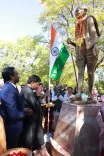
Kejriwal pays tribute to Pingali Venkayya on death anniversary
Synopsis
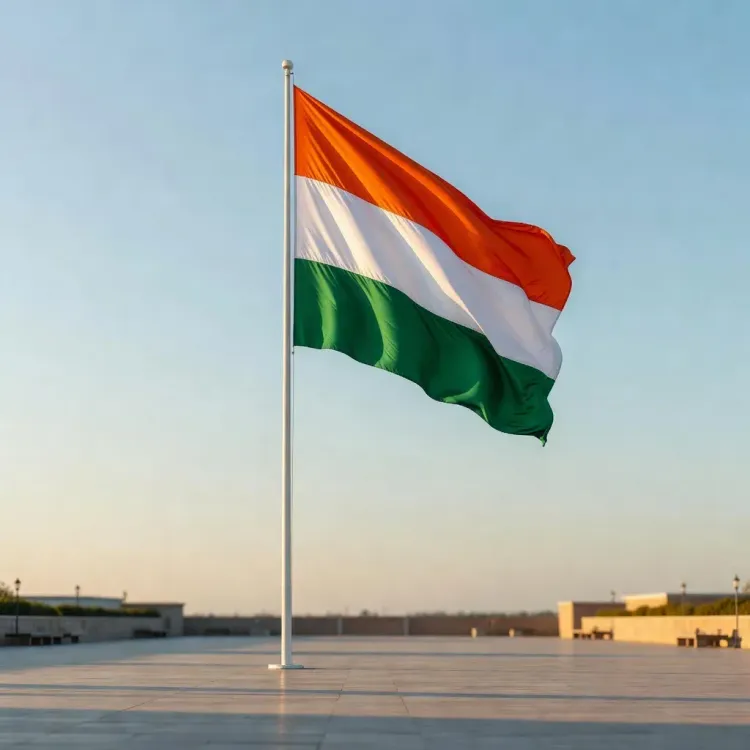
AAP convenor Arvind Kejriwal on 4 July 2026 paid tribute to Pingali Venkayya, the Andhra Pradesh-born freedom fighter who designed India's tricolour in 1921, saying the flag fills every Indian heart with pride and the nation will always remain grateful to him.
Key Takeaways
Arvind Kejriwal posted a tribute to Pingali Venkayya on his death anniversary on 4 July 2026 .
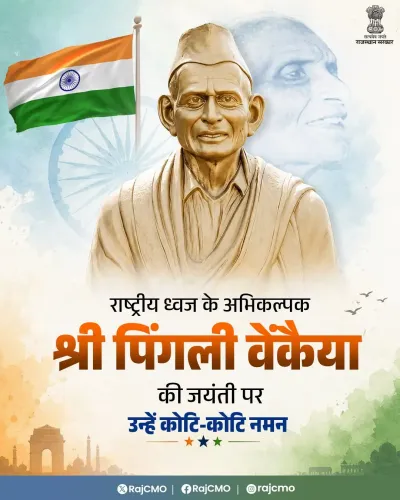
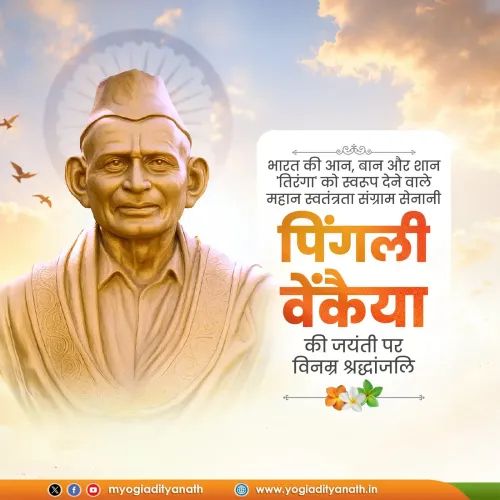
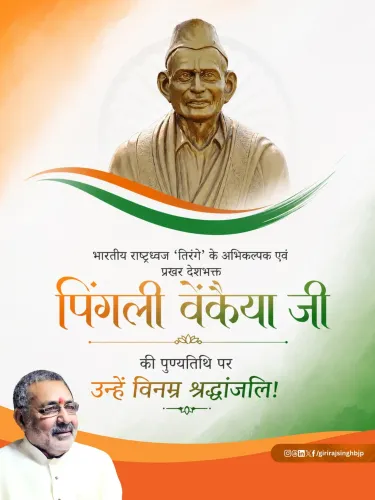
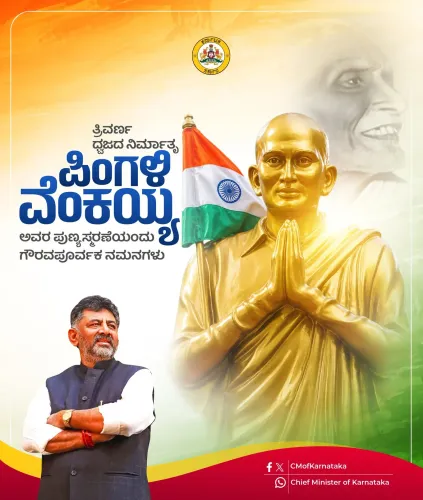
Pingali Venkayya (1879–1963) was a freedom fighter and geologist from Andhra Pradesh who first proposed a national flag design in 1921 .
The Constituent Assembly adopted the tricolour — with the Ashoka Chakra replacing Venkayya's original spinning wheel — on 22 July 1947 .
Kejriwal described the tricolour as a source of 'pride and patriotism' for every Indian, calling Venkayya's contribution unforgettable.
Annual tributes to Venkayya are a cross-party tradition, intensifying as Independence Day (15 August) approaches.
AAP convenor Arvind Kejriwal on Saturday, 4 July 2026, paid tribute to Pingali Venkayya, the designer of India's national flag, on his death anniversary, saying the tricolour fills every Indian heart with pride and patriotism.
Context
Kejriwal's post, written in Hindi, described Venkayya as a 'mahaan senaani aur rashtriya dhwaj ke shilpkar' (great freedom fighter and architect of the national flag). He wrote: 'Whenever we see the tricolour conceived by him, our hearts fill with pride and patriotism. The nation will always remain grateful to him for this great contribution.'
The tribute marks the death anniversary of Pingali Venkayya (1879–1963), a freedom fighter, educationist, and geologist from Andhra Pradesh who first proposed a national flag design to Mahatma Gandhi in 1921.
Policy Backdrop
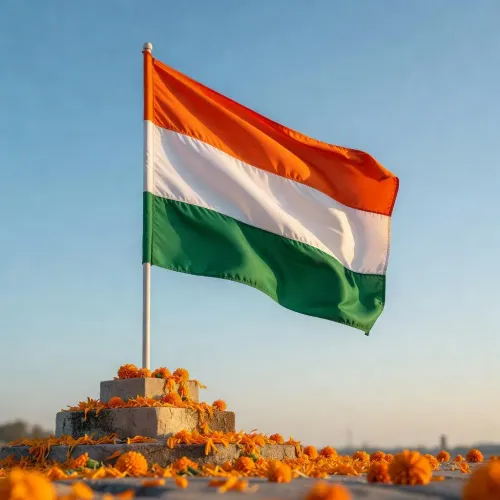
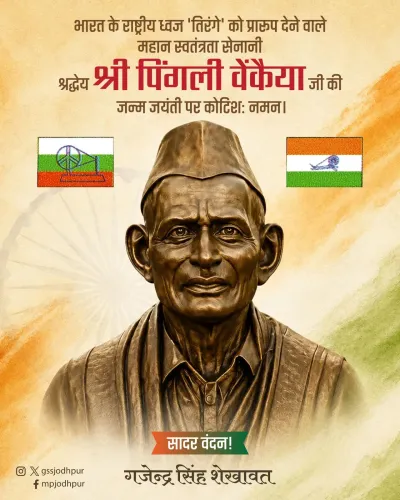
Venkayya's original design featured saffron, white, and green with a spinning wheel at its centre. The Constituent Assembly formally adopted a refined version — replacing the spinning wheel with the Ashoka Chakra — as India's national flag on 22 July 1947.
The tricolour was first hoisted by Jawaharlal Nehru on 15 August 1947, the day of India's independence. Venkayya's contribution to the flag's design remained relatively under-celebrated for decades before receiving wider official recognition in recent years.
Stakeholders and Impact
Tributes to Venkayya on his death anniversary have become an annual fixture in Indian political discourse, with leaders across party lines acknowledging his role in shaping the nation's most visible symbol. For AAP, such messaging reflects a broader effort to weave nationalist and cultural themes into the party's public communication alongside its core governance agenda in Delhi and Punjab.
For ordinary citizens, the annual commemoration serves as a reminder of the freedom struggle's lesser-known contributors whose work endures in everyday national life.
What's Next
With Independence Day on 15 August approaching, tributes to Venkayya and other freedom-era figures are expected to intensify across the political spectrum. Flag-hoisting ceremonies at state capitals and public institutions will once again bring Venkayya's design to the foreground of national consciousness, keeping the annual cycle of commemoration alive.
Point of View
Which has faced persistent questions about its patriotic positioning, aligning with the symbol of the tricolour carries particular strategic weight. The timing — weeks before Independence Day — amplifies the message's reach and resonance. Cumulatively, such posts help parties build a year-round archive of national-symbol messaging that feeds into the broader competition over who best represents India's founding ideals.
NationPress
3 Oct 2026
Frequently Asked Questions
Who was Pingali Venkayya and what is he known for?
Pingali Venkayya (1879–1963) was a freedom fighter, educationist, and geologist from Andhra Pradesh who designed the Indian national flag in 1921 . His tricolour design, originally featuring a spinning wheel, was adopted by the Constituent Assembly on 22 July 1947 with the Ashoka Chakra in place of the wheel.
When is Pingali Venkayya's death anniversary?
Pingali Venkayya passed away on 4 July 1963 . His death anniversary is observed on 4 July each year, when political leaders and citizens pay tribute to his contribution to India's national identity.
What did Arvind Kejriwal say about Pingali Venkayya?
Arvind Kejriwal described Venkayya as a great freedom fighter and the architect of the national flag, saying that the tricolour fills every Indian heart with pride and patriotism, and that the nation will always remain grateful for his contribution.
When was India's national flag officially adopted?
India's national tricolour was officially adopted by the Constituent Assembly on 22 July 1947 , just weeks before independence. It was first hoisted by Jawaharlal Nehru on 15 August 1947 .
Why do Indian politicians tribute Pingali Venkayya every year?
Indian political leaders across parties pay annual tributes to Pingali Venkayya on his death anniversary ( 4 July ) to honour his role in designing the tricolour and to signal respect for national symbols and the freedom struggle, especially as Independence Day on 15 August approaches.