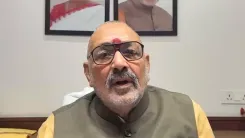
Kejriwal warns against buying petrol, diesel cars amid E50 fears
Synopsis
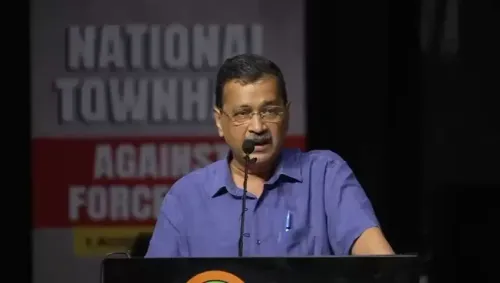
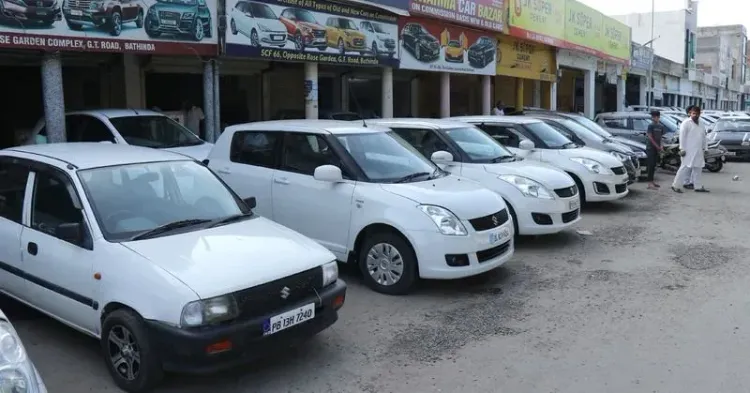
AAP convenor Arvind Kejriwal alleged on 6 August 2026 that the Modi government is secretly planning to raise petrol ethanol blending above 50 percent and extend blending to diesel, urging consumers to avoid purchasing new petrol or diesel vehicles for now.
Key Takeaways
Kejriwal posted on 6 August 2026 alleging the Modi government plans to introduce E50 ethanol blending in petrol once public attention wanes.
He claimed E20 fuel was already forced into E0/E10-compatible vehicles, damaging engines, and warned E20-car owners face the same risk.
He also alleged diesel blending is imminent and advised consumers to avoid buying new petrol or diesel vehicles 'for a few years.' India's confirmed blending policy currently targets 20 percent ethanol (E20) in petrol; no public E50 target or BIS standard exists as of this report.
The National Policy on Biofuels 2018 and a 2021 revision accelerated the E20 rollout, coordinated by the Ministry of Petroleum and Natural Gas and automobile manufacturers.
The government has not publicly responded to Kejriwal's allegations.
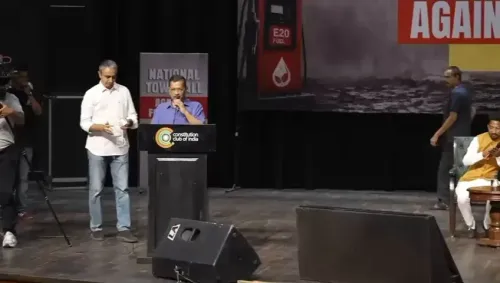
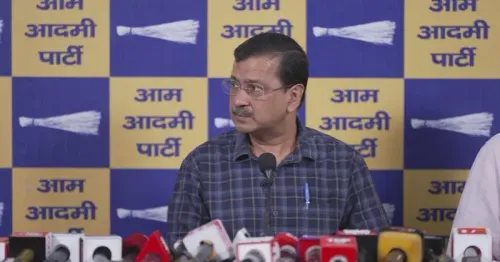
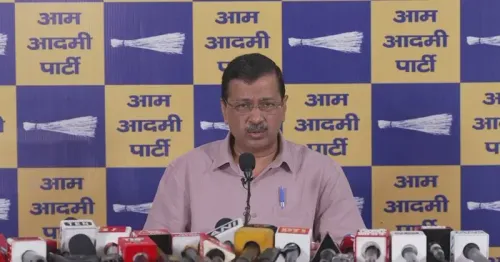
A sharp political warning landed on Thursday morning: AAP convenor Arvind Kejriwal urged Indian consumers to hold off on purchasing new petrol and diesel vehicles, alleging that the Modi government is quietly planning to push ethanol blending in petrol beyond 50 percent — and is simply waiting for public attention to shift before it moves.
Posting on 6 August 2026, Kejriwal wrote in Hindi: 'मोदी सरकार का क्या प्लान है?' ('What is the Modi government's plan?') He alleged that the government first forced E20 petrol into vehicles built for E0 and E10 fuel standards — damaging engines — and that owners who have now bought E20-compatible cars will face the same fate when the government 'forcibly' introduces E50 fuel. He added that diesel adulteration is also imminent, and advised consumers to avoid buying new petrol or diesel vehicles 'for a few years.'
From E10 to E20: the blending journey so far
The claim lands against a real and documented policy trajectory. Under the National Policy on Biofuels 2018, the central government set an indicative target of 20 percent ethanol blending in petrol by 2030. In 2021, that deadline was pulled forward to 2025, and the phased rollout of E20 fuel alongside E20-compatible vehicles began from 2023 onwards — a transition coordinated between the Ministry of Petroleum and Natural Gas, oil marketing companies, and the Society of Indian Automobile Manufacturers.
The policy rationale is straightforward: India is one of the world's largest crude oil importers, and higher ethanol blending — derived mainly from sugarcane — cuts that import bill while giving farmers a guaranteed offtake market. But the transition has not been friction-free. Critics have raised concerns about engine compatibility, mileage impact, and whether vehicle owners were adequately informed before higher-blend fuel reached pumps.
The E50 allegation and what is actually on the table
Kejriwal's central charge — that an E50 mandate is being planned covertly — goes beyond any publicly announced government target or fuel standard as of this report. No formal revision of blending targets beyond E20, and no Bureau of Indian Standards notification for E50 petrol, has been confirmed in policy documents. The allegation is Kejriwal's political reading of the government's direction, not a confirmed roadmap.
What is confirmed is that successive governments have steadily ratcheted up blending levels — from E5 to E10 to E20 — and the government has separately signalled interest in biodiesel blending for diesel. Kejriwal's warning, whether or not the E50 figure is precise, taps into a genuine consumer anxiety: that fuel standards will keep moving, and vehicle owners will keep bearing the cost of catching up.
Why the political timing matters
AAP has periodically questioned the pace and consumer impact of the ethanol blending programme. By framing the issue as a consumer protection alert — 'do not buy a new car right now' — Kejriwal is attempting to convert a technical fuel-policy debate into a kitchen-table concern for middle-class vehicle buyers. The advice, if widely circulated, could put pressure on automobile manufacturers and oil marketing companies to seek public clarity from the government on its blending roadmap beyond E20.
The government has not responded to the post as of publication. The next concrete milestone to watch: any formal announcement revising blending targets or new BIS fuel standards that would signal whether the direction Kejriwal describes has official backing.
For now, a former Chief Minister is telling millions of Indian car buyers: park your purchase decision. The government's answer to that will matter far beyond the political arena.
Point of View
Targeting the politically sensitive middle-class car-buying demographic. By invoking the E0-to-E10-to-E20 escalation as precedent, he constructs a credible-sounding trajectory toward E50 — even though no such target is officially confirmed. The broader pattern is significant: opposition parties have found ethanol blending a productive attack surface because the policy's real-world friction (mileage dips, compatibility concerns) is felt by ordinary vehicle owners, not just industry. If the government does not proactively clarify its post-E20 roadmap, Kejriwal's framing risks becoming the default public narrative.
NationPress
6 Aug 2026
Frequently Asked Questions
What is Kejriwal saying about petrol and diesel cars in India?
Kejriwal is alleging that the Modi government secretly plans to raise ethanol blending in petrol beyond 50 percent (E50) and extend blending to diesel, and is advising consumers to avoid buying new petrol or diesel vehicles for a few years until the policy direction is clear.
Is E50 petrol actually coming to India?
No E50 target has been officially announced by the Indian government. India's confirmed policy currently aims for E20 (20 percent ethanol blending) in petrol. Kejriwal's E50 claim is a political allegation, not a confirmed government plan.
What is the difference between E10, E20, and E50 petrol?
The number indicates the percentage of ethanol mixed with petrol — E10 is 10 percent ethanol, E20 is 20 percent, and E50 would be 50 percent. Higher blends require vehicles to be specifically calibrated for compatibility; using a higher blend in an incompatible engine can affect performance and longevity.
Will E20 petrol damage my car's engine?
Vehicles manufactured and calibrated for E20 fuel are designed to run on it safely. Concerns arise when higher-blend fuel is used in older vehicles rated for E0 or E10 — which is the compatibility issue Kejriwal's post references. The government and automobile manufacturers have maintained that E20-compatible vehicles sold from 2023 onwards meet the required standard.
Why is India increasing ethanol blending in petrol?
India is one of the world's largest crude oil importers, and blending domestically produced ethanol — mainly from sugarcane — into petrol reduces the import bill and provides a guaranteed market for farmers. The policy is governed by the National Policy on Biofuels 2018, which set a 20 percent blending target originally for 2030, later advanced to 2025.