Kerala Assembly Day 1: Vande Mataram row signals UDF-Governor friction
Synopsis
Kerala's new UDF government picked its first fight with Raj Bhavan before the Governor had even begun speaking — by playing only a truncated Vande Mataram in defiance of Lok Bhavan's rehearsal directive. With 102 seats behind it and the BJP entering the Assembly for the first time, the UDF is signalling it will not yield ground on protocol. Day one has already set the tone for what could be a turbulent government-governor relationship.
Key Takeaways
The Kerala Police band played only the opening portion of Vande Mataram on 29 May , defying Lok Bhavan's reported directive to play the song in full.
Governor Rajendra Vishwanath Arlekar made no reference to the controversy during his policy address, opening instead with a courteous 'Namaskaram' in Malayalam.
The Congress-led UDF holds 102 of 140 seats in the new Assembly; the LDF opposition holds 35 seats .
The BJP has entered the Kerala Assembly for the first time with 3 legislators .
Political observers describe the incident as an early signal of friction between the new UDF administration and Lok Bhavan .
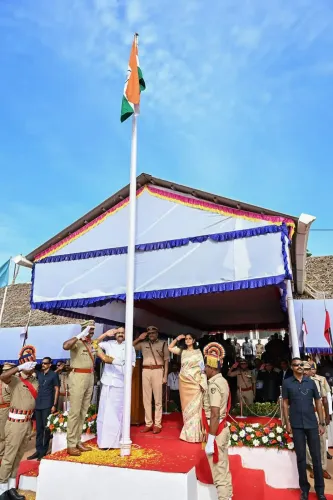
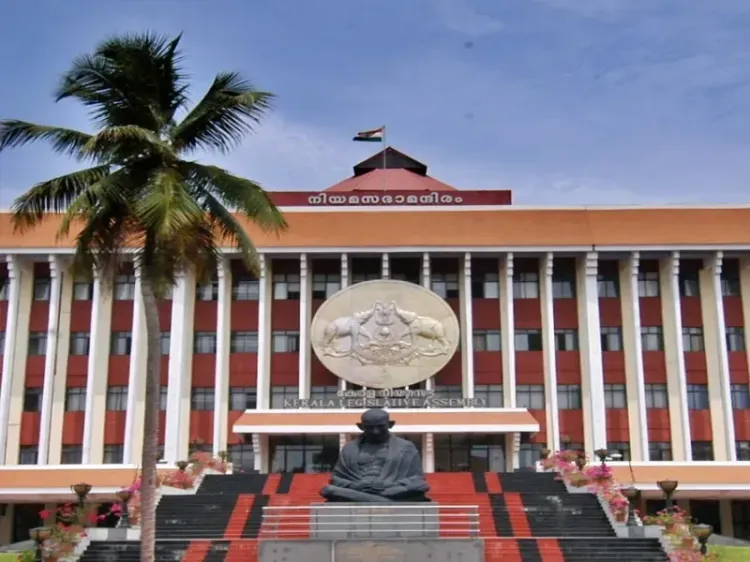
The inaugural working session of Kerala's newly constituted Assembly on Friday, 29 May opened with an unexpected flashpoint: the Kerala Police band played only the opening portion of Vande Mataram ahead of Governor Rajendra Vishwanath Arlekar's policy address, defying what Lok Bhavan had reportedly directed during Thursday's rehearsal — that the national song be rendered in full. The incident, unfolding before the Governor had even begun reading the government's maiden policy declaration, set a combative early tone between the Congress-led United Democratic Front (UDF) administration and the Raj Bhavan.
How the Controversy Unfolded
According to reports, Lok Bhavan had specifically instructed during the 28 May rehearsal that Vande Mataram be played in its entirety as part of the ceremonial reception for the Governor. The state government is understood to have rejected this directive, instead adhering to a long-standing convention of playing only the initial stanzas of the national song. The band stopped midway, and the discrepancy was immediately noticed in political circles.
This is not a trivial procedural dispute — it is a pointed assertion by the UDF that it will govern on its own terms, including on matters of protocol traditionally considered within the Governor's ceremonial domain.
Governor Arlekar's Response Inside the House
Despite the visible tension, Governor Arlekar chose restraint. He opened his address with a courteous 'Namaskaram' in Malayalam and made no direct reference to the Vande Mataram episode or any differences with the government. His decision to sidestep the controversy inside the Assembly hall prevented an immediate escalation, but political observers noted that the silence itself carried weight — the issue was neither resolved nor acknowledged.
The Political Arithmetic Behind the Standoff
The new 140-member Kerala Assembly reflects a decisive electoral verdict. The UDF, led by the Indian National Congress (INC), commands a commanding majority of 102 legislators. The Left Democratic Front (LDF) opposition has been reduced to just 35 seats. Notably, the Bharatiya Janata Party (BJP) has entered the Kerala Assembly for the first time, with three legislators — a historic shift in the state's political landscape.
The swearing-in of 139 legislators and the election of the new Speaker had taken place the previous week, making Friday the Assembly's first substantive day of business.
What This Signals for the UDF-Raj Bhavan Relationship
Political analysts in Thiruvananthapuram were quick to read the episode as an early indicator of a potentially fraught relationship between the UDF government and Lok Bhavan. The UDF's refusal to comply with the Governor's rehearsal directive — on the very first formal day — suggests the government intends to draw firm lines on questions of convention and protocol from the outset.
The Governor's office, for its part, is unlikely to quietly absorb a public rebuff of its directive. With both sides maintaining outward composure while signalling firmness in private, the Vande Mataram row of 29 May may well be remembered as the opening salvo in a longer contest over the boundaries of gubernatorial authority in Kerala.
Point of View
With a 102-seat majority at its back, is a calculated assertion of democratic mandate over gubernatorial convention. What is striking is the timing: the confrontation arrived before the Governor had spoken a single word of policy. If the new government is prepared to contest even ceremonial choreography this early, the battles over policy implementation, bills, and appointments could be considerably sharper. Kerala has seen difficult government-governor relationships before; this one appears to have begun without even a honeymoon.
NationPress
19 Sept 2026
Frequently Asked Questions
What was the Vande Mataram controversy in Kerala Assembly on 29 May?
The Kerala Police band played only the opening portion of Vande Mataram ahead of Governor Rajendra Vishwanath Arlekar's policy address, despite Lok Bhavan reportedly directing during Thursday's rehearsal that the national song be played in full. The UDF government is understood to have rejected that directive, adhering instead to a long-standing convention of playing only the initial portion.
How did Governor Arlekar respond to the Vande Mataram row?
Governor Arlekar chose not to escalate the matter inside the Assembly. He began his address with 'Namaskaram' in Malayalam and made no direct reference to the controversy or to any differences with the government.
What is the composition of the new Kerala Assembly?
The 140-member Kerala Assembly is dominated by the Congress-led UDF, which holds 102 seats. The Left Democratic Front opposition holds 35 seats, and the BJP has entered the Kerala Assembly for the first time with 3 legislators.
Why does this incident matter politically?
It is widely interpreted as the first visible sign of friction between the new UDF administration and Lok Bhavan. The UDF's refusal to comply with the Governor's protocol directive on the Assembly's very first working day signals the government's intent to assert its authority on matters of convention from the outset.
What happened before the Vande Mataram controversy on the Assembly's first day?
The swearing-in of 139 legislators and the election of the new Speaker had taken place the previous week. Friday, 29 May, was the Assembly's first substantive day of business, beginning with the Governor's maiden policy address.