Kerala Assembly passes NEET reform resolution, BJP amendments rejected
Synopsis
In a rare UDF-LDF alliance, the Kerala Assembly passed a sweeping NEET reform resolution on 30 June, defeating BJP amendments that sought to credit the Centre's response. The resolution goes beyond NEET to target the NTA, SSC, and RRB — framing repeated exam scandals as a constitutional failure of equal opportunity, not just administrative slip-ups.
Key Takeaways
The Kerala Legislative Assembly passed a NEET reform resolution on 30 June , with the UDF and LDF voting together.
BJP amendments seeking acknowledgement of Central government action were defeated; the BJP holds only 3 of 140 Assembly seats.
The resolution was introduced by Higher Education Minister Roji M.
John under Rule 118 .
It demands exemplary criminal proceedings , stronger technological safeguards, and independent oversight of national examinations.
Concerns were also raised over irregularities in CUET-UG , UGC-CSIR , SSC , and RRB exams conducted by the NTA .
The resolution calls for greater state government consultation on national entrance tests, citing education's place on the Concurrent List .
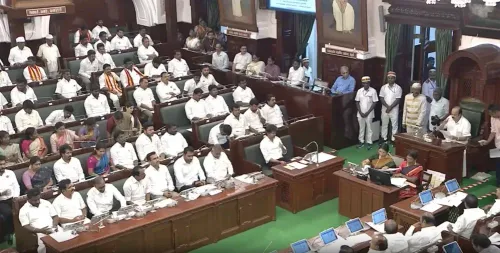
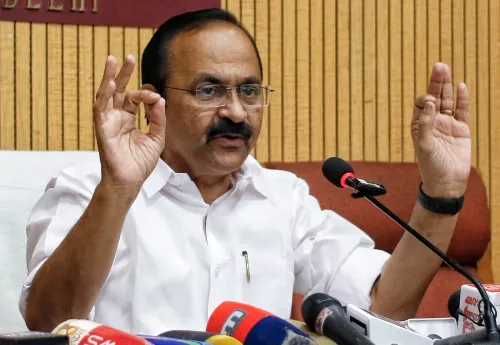
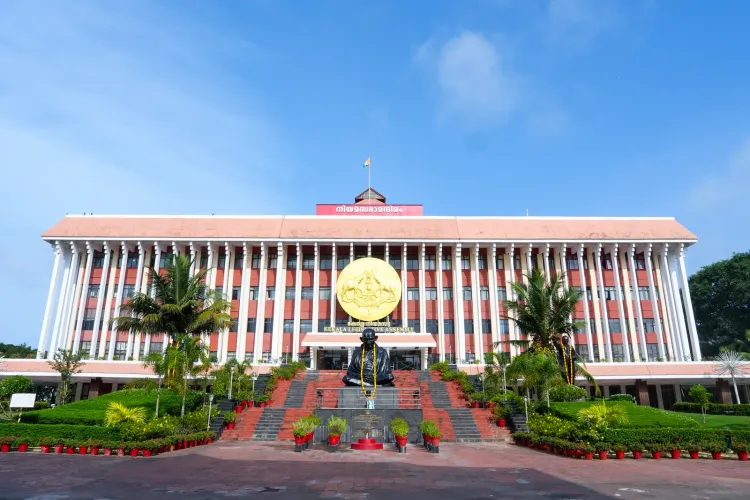
The Kerala Legislative Assembly on Tuesday, 30 June unanimously passed a resolution calling on the Centre to carry out sweeping reforms to the National Eligibility-cum-Entrance Test (NEET) and the broader national examination system. In a rare show of cross-party consensus, the ruling United Democratic Front (UDF) and the opposition Left Democratic Front (LDF) joined hands to adopt the motion, while amendments moved by the three-member Bharatiya Janata Party (BJP) legislature group were put to vote and defeated.
The Resolution and What It Demands
Introduced by Higher Education Minister Roji M. John under Rule 118, the resolution expressed grave concern over recurring allegations of question paper leaks, examination irregularities, administrative lapses, technical failures, and shortcomings in result evaluation. The House stated that these issues had 'eroded the credibility, transparency and fairness' of the national entrance examination system.
The resolution specifically called on the Centre to initiate exemplary criminal proceedings against those responsible for malpractices, fix accountability for administrative failures, and strengthen technological safeguards and independent oversight at every stage of the examination process. It also demanded greater consultation with state governments on policy decisions relating to national entrance tests, noting that education falls under the Concurrent List of the Constitution.
BJP's Amendments and Why They Were Rejected
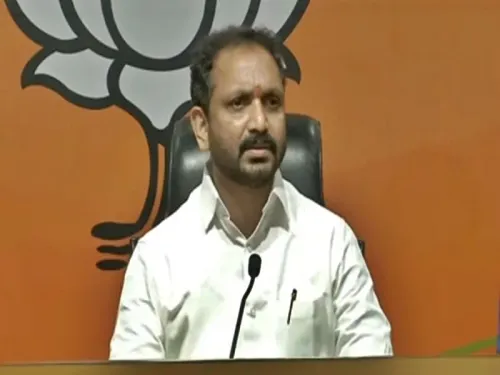
The BJP's three legislators sought to amend the resolution to include an acknowledgement of action already taken by the Central government against those implicated in the alleged irregularities. BJP member V. Muraleedharan argued that the Centre had responded promptly once the controversies surfaced and that this deserved formal recognition in the Assembly's resolution.
The House, however, voted down the amendments. In the 140-member Assembly, the Congress-led UDF commands 102 seats, the Communist Party of India (Marxist)-led LDF holds 35, and the BJP has just three — making the defeat of the amendments a foregone conclusion arithmetically, though its political symbolism was significant.
Broader Concerns: NTA, SSC, and RRB Under Scrutiny
The resolution went beyond NEET, flagging similar concerns in other national-level examinations conducted by the National Testing Agency (NTA), including NEET-UG, CUET-UG, and UGC-CSIR examinations. It also cited recruitment tests conducted by the Staff Selection Commission (SSC) and the Railway Recruitment Board (RRB), arguing that repeated incidents pointed to structural and administrative weaknesses across the national examination architecture.
Impact on Students and Constitutional Concerns
The resolution noted that recurring NEET controversies had generated 'widespread anxiety among students and parents' while undermining public confidence in the examination system. It said that opportunities earned through years of hard work by lakhs of students — including those from Kerala — had been adversely affected by malpractices and administrative failures, rendering the situation inconsistent with constitutional principles of equal opportunity and social justice.
What Comes Next
The resolution is non-binding on the Centre but carries political weight as a formal legislative statement from a state government. It adds to growing pressure from multiple state assemblies and student groups for systemic reform of the NTA-administered examination framework. Whether the Centre responds with structural changes or limits action to personnel accountability will be closely watched in the weeks ahead.
Point of View
Not policy. The Centre is under no legal obligation to act, and the BJP's framing — that the government already responded — is not entirely without basis given the CBI inquiry and NTA restructuring discussions. What the resolution does not address is Kerala's own track record on state-level examination integrity, which critics argue should accompany any demand for federal accountability. The deeper structural question — whether a single national entrance test is appropriate for a country with vast socioeconomic and linguistic diversity — remains unasked in the resolution's text.
NationPress
29 Sept 2026
Frequently Asked Questions
What did the Kerala Assembly resolution on NEET demand?
The resolution called on the Centre to initiate exemplary criminal proceedings against those responsible for examination malpractices, fix administrative accountability, strengthen technological safeguards, and undertake comprehensive reforms to restore credibility to national entrance examinations. It also demanded greater state government consultation on national exam policy.
Why did the UDF and LDF vote together on the NEET resolution?
The ruling United Democratic Front and the opposition Left Democratic Front set aside their political differences to jointly pass the NEET reform resolution on 30 June, reflecting shared concern over examination irregularities affecting students from Kerala. The combined strength of 137 seats made the defeat of BJP amendments a mathematical certainty.
What amendments did the BJP propose and why were they rejected?
The BJP's three legislators sought to amend the resolution to include acknowledgement that the Central government had acted promptly against those responsible for NEET irregularities. The House voted down the amendments, with the UDF and LDF majority opposing any language that credited the Centre's response.
Which examinations beyond NEET were flagged in the Kerala resolution?
The resolution cited irregularities in NEET-UG, CUET-UG, and UGC-CSIR examinations conducted by the National Testing Agency, as well as recruitment tests by the Staff Selection Commission and the Railway Recruitment Board, arguing these pointed to systemic weaknesses across the national examination framework.
Is the Kerala Assembly resolution binding on the Central government?
No. The resolution is a formal legislative expression of concern and demand, but it is non-binding on the Centre. Its significance lies in the political pressure it adds to ongoing national debate over NTA reform and NEET credibility.