Kerala CM Pinarayi Vijayan Backs SFI Lok Bhavan March Over Exam Leaks
Synopsis
Kerala Chief Minister Pinarayi Vijayan addressed the SFI Lok Bhavan March on 23 July 2026, condemning paper leak mafias for undermining India's national examination system and standing in solidarity with students demanding transparency and accountability in high-stakes testing.
Key Takeaways
Kerala CM Pinarayi Vijayan addressed the SFI Lok Bhavan March on 23 July 2026 , expressing solidarity with protesting students.
Vijayan accused 'paper leak mafias' of jeopardising the dreams of millions of students by undermining national examination credibility.
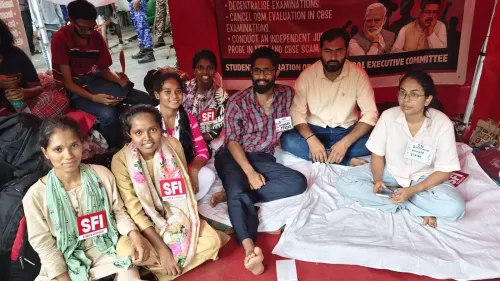
The Students' Federation of India (SFI) , the CPI(M)'s student wing, organised the march demanding transparency and a fair examination system.
Kerala and its Left Front government have consistently opposed centralised national tests such as NEET since the exam's mandatory rollout in 2016 .
The protest is part of a broader national pattern of student unrest over recurrent paper leaks in examinations conducted by the National Testing Agency (NTA) .
Calls are mounting for structural reforms to the NTA and examination security protocols ahead of the next academic admission cycle.
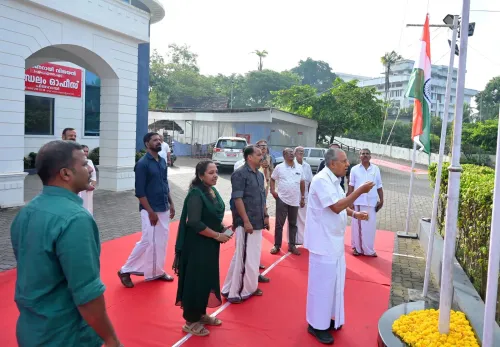
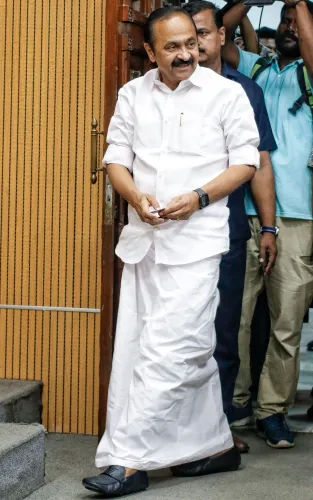
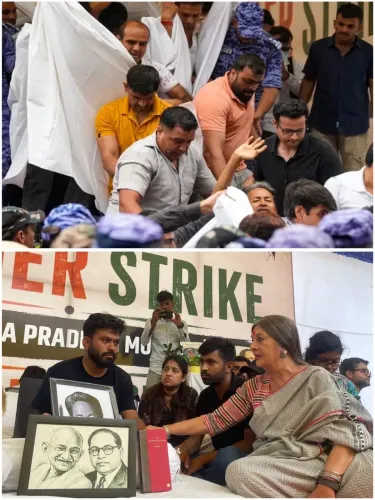
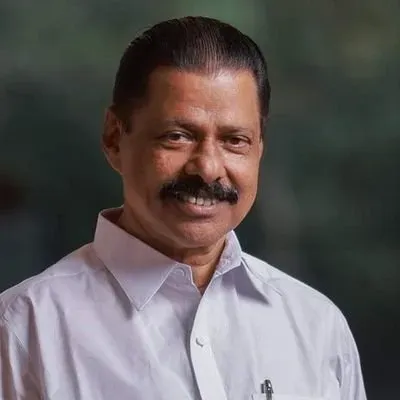
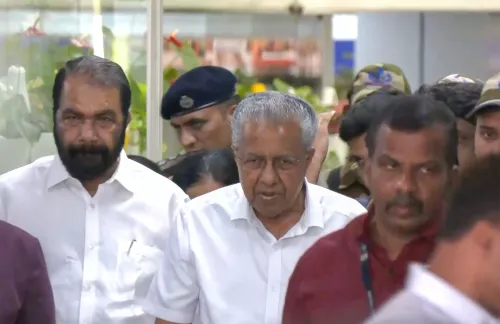
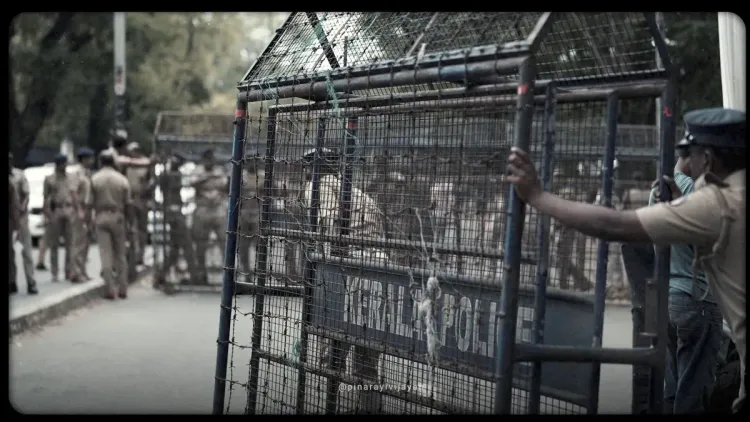
Kerala Chief Minister Pinarayi Vijayan on Thursday, 23 July 2026, addressed the Students' Federation of India (SFI) Lok Bhavan March, throwing his weight behind students protesting against paper leaks that he said have compromised India's national examination system. The Chief Minister declared solidarity with students demanding transparency, accountability, and a fair testing framework.
Context
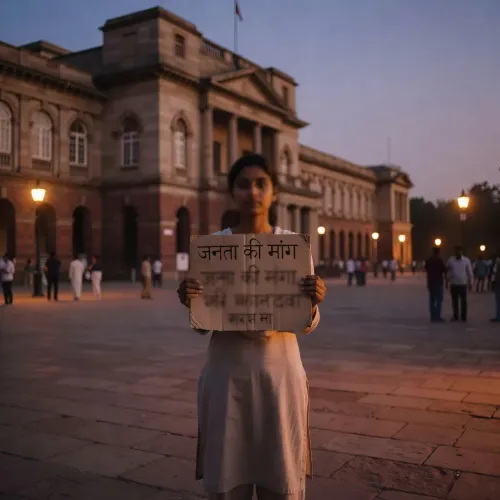
Vijayan stated that 'millions of students have seen their dreams jeopardized by a government that allowed paper leak mafias to undermine the credibility of our national examination system.' The remark was directed at the conduct of high-stakes national entrance tests, where recurring allegations of question-paper leaks have triggered student unrest across the country. The SFI, the student wing of the Communist Party of India (Marxist), organised the Lok Bhavan March as part of this wider agitation.
Speaking to the marchers, the Chief Minister affirmed that students across Kerala had 'risen in protest against this injustice,' framing the movement as a legitimate democratic response to institutional failure in examination governance. He called for systemic reform rather than isolated fixes.
Policy Backdrop
The controversy over national examinations has deep roots. Since the mandatory nationwide rollout of the National Eligibility cum Entrance Test (NEET) in 2016, Kerala and several other states have contested the uniform test on grounds of regional inequity and disadvantage to students from vernacular-medium schools. The state's Left Front government has consistently argued that centralised testing erodes federal principles in education.
Recurrent paper-leak scandals in national and state entrance examinations over multiple years have prompted parliamentary debates, court interventions, and demands for the restructuring of the National Testing Agency (NTA), the body responsible for conducting major entrance tests including NEET. These incidents have repeatedly disrupted academic calendars and forced re-examinations, deepening mistrust among aspirants.
Stakeholders and Impact
At the centre of the crisis are millions of medical and professional-course aspirants whose admission prospects hinge on the integrity of a single national test. Any compromise in examination security directly translates to lost academic years and shattered career prospects for students, many of whom belong to economically marginalised families that cannot afford repeated preparation cycles.
The SFI has historically been at the forefront of agitations over education access, fee hikes, and examination fairness in Kerala. By addressing the march in person, Chief Minister Vijayan elevated what could have been a routine student demonstration into a formal political statement from the state government, signalling that the Left Front intends to keep examination accountability on the national agenda.
What's Next
Attention now shifts to whether the central government responds with concrete reforms to the NTA's examination conduct protocols or announces structural changes to how paper security is managed. Observers will also watch whether similar protests gain momentum in other states as the next academic admission cycle approaches.
For Kerala, the march marks a fresh escalation in the long-running federal friction between the state's Left government and the Union government over education governance — a fault line that is unlikely to close without binding institutional reform at the national level.
Point of View
Ahead of an admission cycle, maximises political visibility. Whether this pressure translates into NTA reform or remains symbolic depends on how many other opposition-governed states amplify the demand in Parliament.
NationPress
22 Oct 2026
Frequently Asked Questions
Why did Kerala CM Pinarayi Vijayan address the SFI Lok Bhavan March?
Vijayan addressed the SFI Lok Bhavan March on 23 July 2026 to express solidarity with students protesting against paper leaks in national examinations, which he said have jeopardised the futures of millions of aspirants.
What is the SFI and what was the Lok Bhavan March about?
The Students' Federation of India (SFI) is the student wing of the CPI(M). The Lok Bhavan March was organised to demand transparency, accountability, and integrity in India's national examination system following recurring paper-leak allegations.
What is the paper leak controversy in India's national examinations?
Recurrent allegations of question-paper leaks in national entrance tests, including NEET, have disrupted academic calendars, forced re-examinations, and eroded student trust in the National Testing Agency (NTA) over multiple years.
What is Kerala's position on NEET?
Kerala and its Left Front government have opposed the mandatory nationwide rollout of NEET since 2016, arguing that a single centralised test disadvantages students from regional and vernacular-medium educational backgrounds.
What reforms are being demanded following the examination paper leak protests?
Students and opposition leaders are demanding structural reforms to the National Testing Agency (NTA), stronger paper-security protocols, and greater accountability in the conduct of high-stakes national entrance examinations.