Kerala Crime Branch gets legal backing to quiz PSC members in Planning Board exam case

Synopsis
A legal opinion backing the Kerala Crime Branch's authority to summon PSC members has dramatically escalated a constitutional standoff in Thiruvananthapuram. What started as an exam-irregularity probe is now a high-stakes contest over whether constitutional status can shield a public body from criminal investigation — and a PSC member has already skipped a mandatory appearance.
Key Takeaways
The Kerala Crime Branch has secured a legal opinion stating that PSC members cannot use their constitutional status to avoid appearing before investigators.
A Special Investigation Team (SIT) has reportedly found serious lapses in State Planning Board examinations and recommended a review of resulting appointments.
Saif did not appear before the Crime Branch on 15 September despite a formal notice.
The PSC had argued that its members' constitutional positions exempt them from appearing at Crime Branch premises and cited a prior Kerala High Court order.
The PSC is now weighing possible judicial intervention to challenge the investigating agency's authority.
The standoff between the Kerala Crime Branch and the Kerala Public Service Commission (PSC) over alleged irregularities in State Planning Board examinations has reached a critical juncture, with the investigating agency securing a legal opinion affirming its authority to summon and question PSC members at a venue of its choosing. The development, reported on 18 September 2026 from Thiruvananthapuram, is expected to significantly tilt the ongoing institutional tussle in favour of the Crime Branch.
What the Legal Opinion Says
According to sources, the legal opinion concludes that the constitutional status of the PSC does not shield its chairman or members from appearing before investigating officers at a location designated by the probe agency. The Crime Branch is expected to formally communicate this position to the Commission within the coming days. Legal experts widely view this as a direct counter to the PSC's earlier assertion that its members occupy constitutional positions that grant them special protections.
PSC's Stand and the High Court Precedent
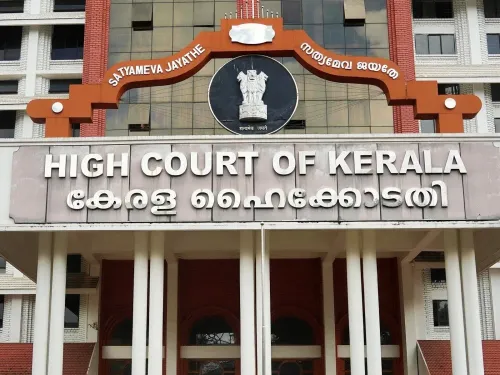
The Commission had maintained that its members need not present themselves at the Crime Branch headquarters for questioning and had instead offered to facilitate the recording of their statements at the PSC office. The PSC also cited a prior Kerala High Court order that had extended relief to its officials when they were asked to depose before a Legislative Assembly committee. However, the Crime Branch has countered that constitutional status does not confer immunity from a criminal investigation, and that all members are legally obligated to cooperate with the probe.
Key Developments in the Investigation
A Special Investigation Team (SIT) of the Crime Branch has reportedly detected serious lapses in the conduct and evaluation of examinations held by the PSC for senior posts within the State Planning Board, and has recommended a review of appointments made on the basis of those tests. Investigators are also examining whether the irregularities were procedural in nature or part of a deliberate effort to favour certain candidates — a distinction that could significantly raise the legal stakes.
The SIT has already issued notices to the PSC chairman and its members for questioning. Notably, PSC member S.A. Saif failed to appear before the Crime Branch on 15 September despite a formal directive to do so, according to reports — a development that underscored the depth of the institutional impasse.
What Happens Next
With a favourable legal opinion now in hand, the Crime Branch is expected to formally press for compliance from the Commission. The PSC, for its part, is reportedly weighing its legal options, including the possibility of seeking judicial intervention to challenge the investigating agency's authority. What began as a probe into examination irregularities has now broadened into a significant constitutional question: how far do criminal investigators' powers extend when the subject is a body with constitutional protections? The answer, whether delivered through negotiations or a courtroom, will set an important precedent for institutional accountability in Kerala.
Point of View
Not individuals from criminal accountability. The Crime Branch's move to obtain a formal legal opinion is tactically smart: it shifts the burden back onto the PSC without a courtroom confrontation. But the deeper question is whether the SIT's findings point to systemic rot or isolated procedural failure, and that is the thread the public interest demands be pulled. A missing member, a disputed venue, and an institutional stalemate have so far consumed more headlines than the alleged manipulation of appointments itself — the actual harm done to legitimate candidates.
NationPress
18 Sept 2026
Frequently Asked Questions
Why is the Kerala Crime Branch seeking to question PSC members?
The Crime Branch is investigating alleged irregularities in examinations conducted by the Kerala PSC for senior posts in the State Planning Board. A Special Investigation Team has reportedly detected serious lapses in exam conduct and evaluation, and is examining whether these were procedural errors or deliberate attempts to favour specific candidates.
Can PSC members refuse to appear before the Crime Branch?
According to a legal opinion secured by the Crime Branch, the constitutional status of the PSC does not exempt its chairman or members from appearing before investigating officers at a location specified by the probe agency. The Commission had previously argued otherwise, but this opinion directly contradicts that position.
What was the PSC's argument for not appearing at Crime Branch headquarters?
The PSC maintained that its members hold constitutional positions and should have their statements recorded at the PSC office rather than Crime Branch premises. It also cited a prior Kerala High Court order that had protected its officials from being summoned before a Legislative Assembly committee.
Who is S.A. Saif and why is his name significant?
S.A. Saif is a PSC member who did not appear before the Crime Branch on 15 September despite being formally directed to do so. His non-appearance crystallised the institutional standoff and may increase pressure on the Commission to comply with investigation notices.
What happens if the PSC continues to resist the Crime Branch?
The PSC is reportedly considering seeking judicial intervention to challenge the investigating agency's authority. If it does not comply and does not obtain a court stay, it risks escalating the legal confrontation. The Crime Branch is expected to formally communicate the new legal opinion to the Commission in the coming days.