Kerala PSC defies Crime Branch summons, heads to court over Planning Board probe

Synopsis
A constitutional body versus a state investigating agency — the Kerala PSC has refused to appear before the Crime Branch at its headquarters over alleged irregularities in Planning Board appointments, opting for a court challenge instead. The stand-off raises a question with national implications: can an investigating agency dictate the venue for questioning members of a constitutional body?
Key Takeaways
Kerala PSC has refused to send its members to Crime Branch headquarters in Thiruvananthapuram for questioning.
Four PSC members have been served notices to appear before investigators from Tuesday, 14 September 2026 .
Three of the four summoned members sat on the interview board for the controversial Planning Board post; PSC Chairman M.R.
Baiju has not been summoned.
The Commission is preparing to challenge the Crime Branch notice in court , arguing members will cooperate only at PSC headquarters.
The Crime Branch had earlier identified lapses by two PSC officials in the selection process for two Planning Board appointments .
A court ruling on the summons could set a precedent for how investigative agencies approach constitutional bodies across India.
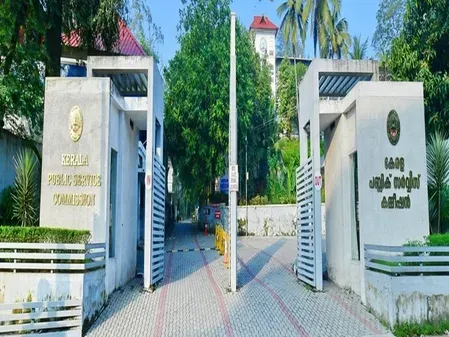
The Kerala Public Service Commission (PSC) has refused to send its members to the Crime Branch headquarters for questioning in connection with the ongoing probe into alleged irregularities in appointments to the State Planning Board, setting the stage for a legal confrontation between a constitutional body and a state investigating agency. The Commission decided at its meeting on Monday, 14 September 2026, that its members would cooperate with investigators — but only at the PSC headquarters in Thiruvananthapuram.
The Stand-Off Hardens
Four PSC members have been served notices directing them to appear before the Crime Branch team from Tuesday. Three of the four were part of the interview board for the controversial Planning Board post, along with PSC Chairman M.R. Baiju, who has not been summoned so far. The Crime Branch, however, maintains that the choice of venue for questioning rests with the investigating officer and that no legal bar exists on summoning PSC members to its headquarters.
According to reports, the Crime Branch is also considering formally informing the Commission that it will not shift the questioning venue — a move that could deepen the institutional stand-off considerably.
PSC Moves Toward Judicial Challenge
The Commission is now preparing to challenge the Crime Branch notice in court. A strong internal view within the PSC, according to reports, holds that its members are being made scapegoats for lapses in the controversial appointments — a charge the investigating agency has not publicly addressed. The legal challenge, if filed, would directly test a question with broader constitutional implications: can an investigating agency insist on questioning members of a constitutional body at its own premises?
What the Investigation Has Found So Far
The Crime Branch had earlier identified lapses on the part of two PSC officials — one of whom has since retired — in the selection process for two Planning Board appointments. The current phase of the investigation seeks to determine whether the role of other officials and members went beyond the lapses already identified. Questioning the four members is considered a key step before investigators decide on further action against those already found to have erred.
This phase follows an earlier SIT probe that examined PSC lapses and recommended cancellation of the two controversial Planning Board appointments.
Constitutional Autonomy at the Centre
The dispute has brought the institutional independence of a constitutional body into sharp focus. The PSC, established under Article 315 of the Constitution, exercises quasi-judicial functions; its members argue that the manner of their questioning must reflect that status. Critics, however, point out that constitutional status does not place public officials above investigative scrutiny — only above arbitrary interference.
The outcome of any judicial intervention could set a precedent for how state investigating agencies may approach members of constitutional bodies in future probes across India.
What Happens Next
With the Crime Branch standing firm and the PSC heading to court, the next critical juncture will be whether a court grants a stay on the summons or allows the Crime Branch notices to stand. Until then, the investigation into the Planning Board appointments is effectively in a holding pattern — and the broader question of investigative authority over constitutional bodies remains unresolved.
Point of View
The Crime Branch's unyielding posture on venue, without apparent legal compulsion, signals a maximalist approach that could backfire if a court sides with the PSC. What is missing from mainstream coverage is the broader pattern: Kerala's constitutional and statutory bodies have repeatedly clashed with investigating agencies over procedural terrain, often using judicial intervention to slow probes rather than resolve them. The court's ruling here will matter well beyond this case.
NationPress
14 Sept 2026
Frequently Asked Questions
Why has the Kerala PSC refused to appear before the Crime Branch?
The Kerala PSC has refused to send its members to the Crime Branch headquarters, insisting it will cooperate with investigators only at its own premises in Thiruvananthapuram. The Commission holds the view that its members are being made scapegoats for lapses in the controversial Planning Board appointments, and is preparing to challenge the summons in court.
What are the alleged irregularities in the Planning Board appointments?
The Crime Branch is probing alleged irregularities in the selection process for two State Planning Board appointments. An earlier SIT probe identified lapses on the part of two PSC officials — one of whom has since retired — and recommended cancellation of the two controversial appointments. The current investigation is examining whether other members and officials were also involved.
Who has been summoned by the Crime Branch in this case?
Four PSC members have been served notices to appear before the Crime Branch from Tuesday, 14 September 2026. Three of the four were part of the interview board for the disputed Planning Board post. PSC Chairman M.R. Baiju has not been summoned so far.
Can the Crime Branch legally insist on questioning PSC members at its headquarters?
The Crime Branch maintains that the choice of questioning venue is within the discretion of the investigating officer and that there is no legal bar on summoning PSC members to its headquarters. The PSC disputes this and is moving to challenge the notice in court, making the legal question one for a judge to resolve.
What are the wider implications of this dispute?
The stand-off raises a constitutional question about how state investigating agencies may interact with bodies established under the Constitution. A court ruling in this case could set a precedent determining whether constitutional bodies can dictate the venue for their questioning in criminal probes — a question relevant to similar institutions across India.