Kerala targets 3 lakh Arab tourists, ₹25,000 crore boost in 5 years
Synopsis
Kerala is making its most structured bid yet for Gulf and West Asian tourists — targeting three lakh additional arrivals and ₹25,000 crore in economic activity over five years. The Indo-Arab Connect 2026 summit in Kochi, bringing 175 Arab travel agents from 11 countries, is the centrepiece of a strategy that also doubles as a solution to Kerala's chronic off-season occupancy problem.
Key Takeaways
Kerala is targeting nearly three lakh additional Arab tourists and over ₹25,000 crore in economic activity over the next five years .
Indo-Arab Connect 2026 will be held in Kochi from 31 August to 2 September 2026 , hosting more than 175 Arab travel agents from 11 countries .
Over 150 Indian tourism and hospitality establishments are expected to participate in the summit.
Key source markets include Saudi Arabia , Oman , and the UAE , with growth focus on Egypt , Jordan , and Iran .
Arab tourists visit predominantly between June and September , helping fill Kerala's domestic off-season gap.
A nine-day familiarisation tour for Arab delegates covers Kochi, Munnar, Kumarakom, Alappuzha, Kovalam , and Wayanad from 2–9 September 2026 .
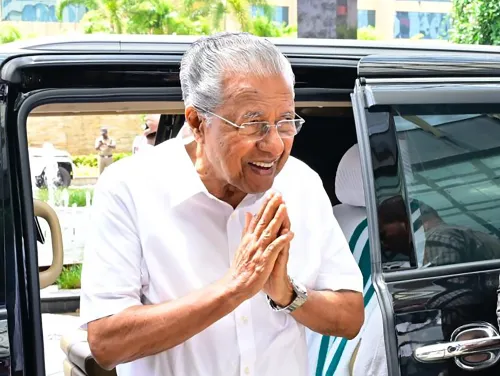
The Kerala government is mounting a focused campaign to attract nearly three lakh additional tourists from the Arab world, projecting more than ₹25,000 crore in economic activity from the segment over the next five years. The push, backed by Chief Minister Satheesan, positions Kerala as a premier destination for high-spending Gulf and West Asian families.
Indo-Arab Connect 2026: The Centrepiece
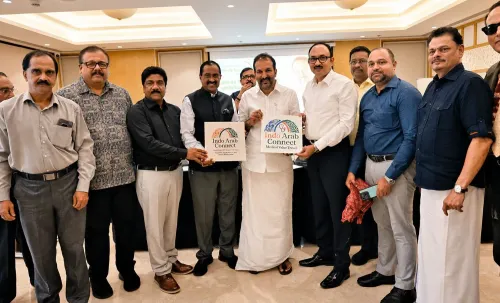
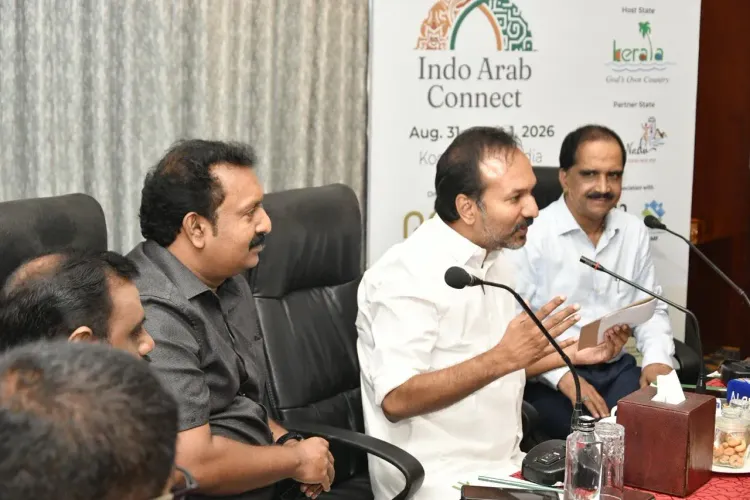
Tourism Minister P.C. Vishnunadh recently unveiled the logo for Indo-Arab Connect 2026, a landmark trade summit scheduled in Kochi from 31 August to 2 September 2026. The event will draw more than 175 Arab travel agents and tour operators from 11 countries, giving Kerala's hospitality sector direct access to Arab buyers.
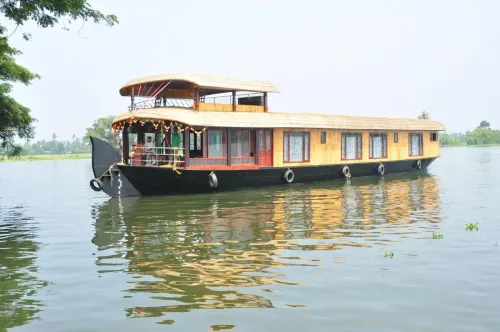
More than 150 tourism and hospitality establishments from India and neighbouring destinations are expected to participate, including hotels, resorts, Ayurveda centres, houseboat operators, and tour companies. Minister Vishnunadh has called for a coordinated effort between the government and the tourism industry to capitalise on the opportunity, noting that Arab tourists will play 'a critical role in the future growth of Kerala's tourism economy.'
Why Arab Tourists Matter to Kerala
Industry representatives note that Arab travellers are among the world's higher spenders on accommodation, dining, and shopping, making each additional arrival disproportionately valuable to the local economy. Saudi Arabia, Oman, and the UAE are Kerala's established source markets, with Egypt, Jordan, and Iran identified as growth opportunities.
Crucially, Arab tourists predominantly visit Kerala between June and September — traditionally a lean period for domestic tourism. A sustained rise in Arab arrivals could therefore help hotels and resorts maintain occupancy and employment during the off-season, addressing one of the industry's most persistent structural challenges.
Kerala's Built-In Advantages
The State is leveraging centuries-old cultural and trade ties with the Arab world, a large Malayali diaspora across the Gulf, and the ready availability of Arabic-speaking hospitality personnel as competitive differentiators. These factors, officials argue, give Kerala a head start over rival destinations competing for the same traveller segment.
Familiarisation Tour and Next Steps
Following the Kochi summit, Arab delegates will embark on a nine-day familiarisation tour from 2 to 9 September 2026, covering Kochi, Munnar, Kumarakom, Alappuzha, Kovalam, and Wayanad. The tour is designed to give decision-makers first-hand experience of Kerala's diverse tourism offerings before they return home to craft itineraries for their clients.
With Arab travellers already forming a meaningful share of Kerala's inbound foreign tourist market, the State is now seeking to convert that established goodwill into a significantly larger and more lucrative tourism revenue stream.
Point of View
000 crore target over five years deserves scrutiny — it assumes sustained growth in a segment that is sensitive to geopolitical shifts and airline connectivity. The off-season angle is the most compelling part of this strategy: if Arab arrivals genuinely fill the June-September trough, the downstream benefit to hotel employment and Ayurveda centre viability is real and measurable. The risk is that Indo-Arab Connect 2026 becomes a headline event without a follow-through mechanism. Past B2B tourism summits in India have generated buyer enthusiasm that did not always convert into bookings. Kerala will need a credible post-summit conversion tracking system — and a pipeline of Arabic-language marketing — to turn this summit into a structural shift rather than a one-cycle spike.
NationPress
29 Sept 2026
Frequently Asked Questions
What is Indo-Arab Connect 2026?
Indo-Arab Connect 2026 is a tourism trade summit being held in Kochi from 31 August to 2 September 2026, organised by the Kerala government. It will bring together more than 175 Arab travel agents and tour operators from 11 countries with over 150 Indian tourism and hospitality businesses.
How many Arab tourists is Kerala targeting and by when?
Kerala is targeting nearly three lakh additional Arab tourists over the next five years, with the broader goal of generating more than ₹25,000 crore in economic activity from the segment during that period.
Which Arab countries are Kerala's primary tourism markets?
Kerala's established Arab source markets include Saudi Arabia, Oman, and the UAE. The State is also looking to grow arrivals from Egypt, Jordan, and Iran as emerging markets within the Arab world.
Why are Arab tourists especially valuable to Kerala's tourism industry?
Arab tourists are among the world's higher spenders on accommodation, dining, and shopping. They also visit predominantly between June and September, which is Kerala's domestic off-season, helping hotels and resorts maintain occupancy and employment during that period.
What happens after the Kochi summit?
Following the summit, Arab delegates will undertake a nine-day familiarisation tour from 2 to 9 September 2026, visiting Kochi, Munnar, Kumarakom, Alappuzha, Kovalam, and Wayanad to experience Kerala's tourism offerings first-hand.