Kerala HC reserves verdict, grants CMRL temporary relief in ED money-laundering case
Synopsis
The Kerala High Court has reserved its verdict in the CMRL-Exalogic ED case — one of the state's most politically charged legal battles — while barring coercive action until Friday. With Exalogic owned by former CM Pinarayi Vijayan's daughter, the ruling could reshape both the ED probe and Kerala's political landscape.
Key Takeaways
Kerala High Court reserved verdict on CMRL's challenge to the ED money-laundering investigation on 1 June ; judgment due Friday .
The court directed the ED not to take any coercive action against the appellants until the verdict is delivered.
CMRL argued the ED probe lacked a predicate offence under the PMLA , with no FIR or formal complaint at the time the ECIR was registered.
The ED countered it was empowered to investigate based on available material, including SFIO findings on payments to Exalogic .
The case has significant political dimensions due to Exalogic 's ownership by Veena Vijayan , daughter of former Kerala CM Pinarayi Vijayan .
The interim protection does not extend to individuals who are not parties to the appeal.
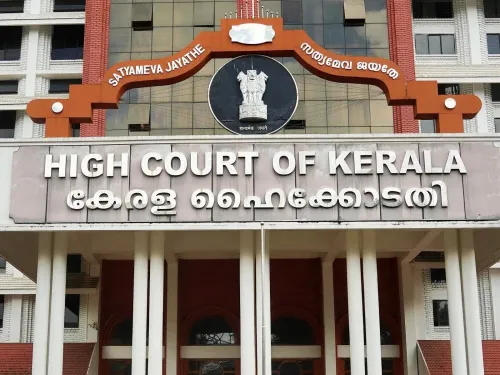
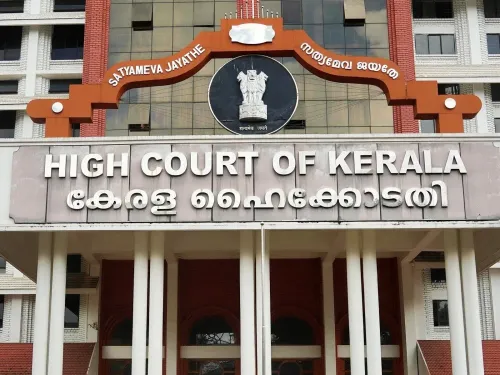
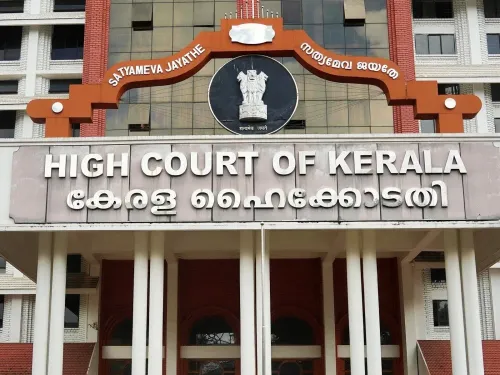
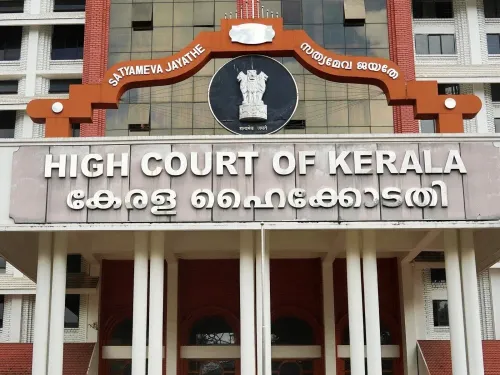
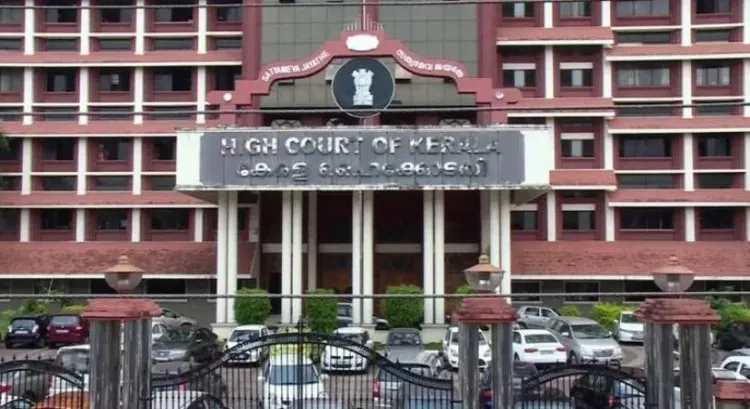
The Kerala High Court on Monday, 1 June reserved its verdict on a plea by Cochin Minerals and Rutile Ltd. (CMRL) challenging the Enforcement Directorate's (ED) money-laundering investigation in the high-profile CMRL-Exalogic case. A Division Bench comprising Justices Raja Vijayaraghavan V. and K.V. Jayakumar said the judgment would be delivered on Friday, while directing the ED to refrain from taking any coercive action against the appellants in the interim.
Temporary Protection Granted
The interim shield came after senior Supreme Court advocate Siddharth Luthra, appearing for CMRL, expressed concern that company officials could face harassment while the matter remained sub judice. The court subsequently recorded a formal undertaking from the ED that no precipitative action would be taken against the appellants until the judgment is pronounced.
Crucially, the court clarified that the protection applies only to the petitioners before it and does not extend to individuals who are not parties to the appeal — a significant caveat given the case's wider cast of persons under scrutiny.
CMRL's Core Legal Challenge
During the lengthy hearing, CMRL mounted a pointed challenge against the very foundation of the ED investigation. The company argued that the agency had initiated proceedings without the existence of a predicate or scheduled offence — a statutory prerequisite for invoking the Prevention of Money Laundering Act (PMLA).
CMRL contended that neither an FIR nor a formal complaint existed when the ED registered its Enforcement Case Information Report (ECIR) and began issuing summons. This argument, if accepted by the court, could effectively undermine the legal basis of the entire probe.
ED's Counter-Arguments
The ED, represented by Additional Solicitor General A.R.L. Sundaresan and Special Counsel Zoheb Hossain, countered that the agency was fully empowered to seek information and conduct an inquiry on the basis of material already available to it. The agency argued that questions surrounding payments made by CMRL to Exalogic — and findings from the Serious Fraud Investigation Office (SFIO) — warranted a detailed probe.
The Bench appeared reluctant to interfere with the investigation at its current stage, repeatedly questioning why the agency should not be allowed to complete its inquiry. The judges observed that if the company had committed no wrongdoing, it could establish its innocence by producing the required documents and records.
Political Significance of the Case
The case carries substantial political weight because of allegations linking financial transactions to Exalogic, a company owned by Veena Vijayan, daughter of former Kerala Chief Minister Pinarayi Vijayan. The CMRL-Exalogic matter has been one of the most closely watched legal and political confrontations in Kerala in recent years, drawing scrutiny from both the judiciary and opposition parties.
This comes amid a broader pattern of ED investigations into companies with alleged political connections across Indian states — a trend that has repeatedly tested the boundaries of PMLA's application in courts.
What Happens Next
The High Court's verdict on Friday is expected to determine the immediate trajectory of the ED probe. A ruling in CMRL's favour could stall or significantly constrain the investigation; a ruling against could clear the ED to proceed with full force. Either outcome is likely to have far-reaching legal and political implications for all parties involved.
Point of View
But courts have historically been wary of halting PMLA investigations mid-stream. What makes this case distinctive is not the legal architecture but the political subtext: Exalogic's ownership ties to the Vijayan family mean that Friday's verdict will be read as much in Thiruvananthapuram's political corridors as in legal circles. The ED's track record of using PMLA's broad sweep against politically connected entities — across party lines — also invites scrutiny of whether the agency's timelines and triggers in this case were procedurally sound.
NationPress
15 Oct 2026
Frequently Asked Questions
What is the CMRL-Exalogic ED case about?
The case involves the Enforcement Directorate investigating Cochin Minerals and Rutile Ltd. (CMRL) for alleged money laundering linked to payments made to Exalogic, a company owned by Veena Vijayan, daughter of former Kerala Chief Minister Pinarayi Vijayan. The ED registered an Enforcement Case Information Report (ECIR) and has been conducting a probe under the Prevention of Money Laundering Act (PMLA).
What did the Kerala High Court order on 1 June?
The Kerala High Court reserved its verdict on CMRL's plea challenging the ED investigation and directed the ED not to take any coercive action against the appellants until the judgment is delivered on Friday. The ED gave a formal undertaking to this effect in court.
What is CMRL's main legal argument against the ED?
CMRL argued that the ED initiated proceedings without a predicate or scheduled offence — a mandatory requirement under the PMLA. The company contended that no FIR or formal complaint existed when the ED registered its ECIR and began issuing summons, potentially making the probe legally untenable.
Does the court's interim protection cover all individuals in the case?
No. The Kerala High Court explicitly clarified that the bar on coercive action applies only to the petitioners before it and does not extend to individuals who are not parties to the appeal.
Why does this case have political significance?
The case is politically sensitive because Exalogic — the company at the centre of the alleged transactions — is owned by Veena Vijayan, daughter of former Kerala Chief Minister Pinarayi Vijayan. The outcome of Friday's verdict is expected to have significant legal and political implications in Kerala.