Kerala HC: Police cannot brand DJ parties as drug dens, stereotyping unlawful
Synopsis
The Kerala High Court has drawn a sharp line: police cannot equate DJ parties with drug use on the basis of stereotypes. With a Kochi hotel's Excise licence allowing bar service till 3 a.m. while police blocked DJ events after 11 p.m., the Division Bench called out the double standard — and warned of the thin line between policing and 'Police Raj'.
Key Takeaways
The Kerala High Court Division Bench on 16 November 2026 ruled that police cannot stereotype DJ parties as venues for drug use.
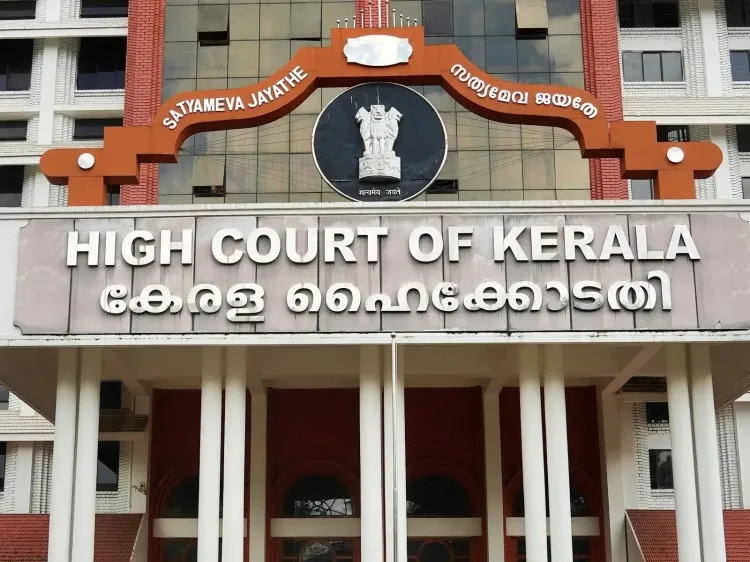
Justices Devan Ramachandran and Basant Balaji heard the state's appeal against a single-judge order quashing police restrictions on a Kochi hotel's late-night DJ events.
The hotel held an Excise Department licence for bar operations until 3 a.m. , yet police had barred DJ programmes beyond 11 p.m.
The court warned of the distinction between policing and 'Police Raj' , and said targeting a specific demographic without evidence is impermissible.
The Bench affirmed that anti-drug enforcement must continue under the law, but cannot be based on assumptions or generalisations.
The matter is posted for further hearing on 20 November , with the state asked to cite the legal basis for any DJ-event restrictions.
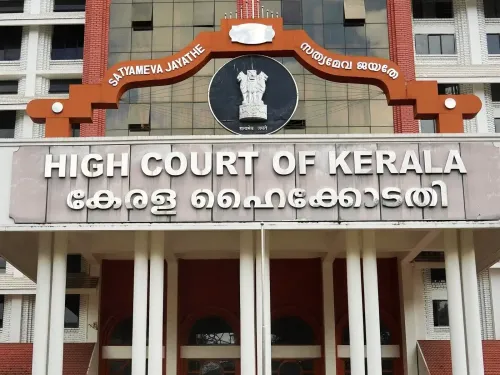
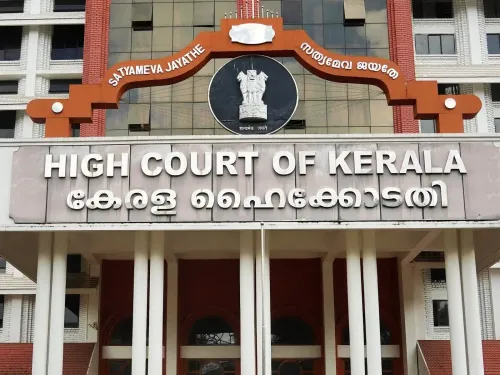
The Kerala High Court on Monday, 16 November 2026, sharply questioned the legal basis on which Kerala Police have been targeting DJ parties and nightlife in the state, declaring that dancing to music cannot be presumed to lead to drug use and that policing cannot rest on stereotypes. The ruling came from a Division Bench hearing the state's appeal against a single-judge order that had quashed police notices restricting late-night DJ programmes at a Kochi hotel.
Background: What the Case Is About
The hotel at the centre of the dispute holds an Excise Department licence permitting its bar to operate until 3 a.m. The establishment challenged police restrictions on its DJ events, including a direction barring such programmes beyond 11 p.m. A single judge had quashed those notices, prompting the state to appeal.
The Division Bench of Justices Devan Ramachandran and Basant Balaji took up the appeal and, far from reversing the lower order, went further in its scrutiny of the police's reasoning.
What the Court Said
Justice Ramachandran questioned why DJ parties specifically were being singled out when liquor service at the same venue drew no police objection. 'Why specifically DJ parties? You have said that they cannot conduct DJ parties. But they can serve liquor there. You have no problem with the consumption of alcohol because the government gets revenue from it. Should we say that nobody can dance in a bar or listen to music? How can we say that listening to music or dancing leads to drug consumption? Don't people dance in churches and temples?' the judge asked.
The Bench also flagged that disc jockeying is a recognised profession and must not be treated with prejudice. It noted that the police appeared to be equating DJ events with drug use without establishing any specific wrongdoing at the venues concerned.
'You are stereotyping DJ parties to mean parties where drugs will find their place. Policing cannot be allowed on stereotypes. Policing cannot be assumptions and generalisations,' the court observed.
On the Line Between Policing and 'Police Raj'
The Bench raised broader concerns about the state's intent, asking whether the police were seeking to curtail nightlife in Kerala more broadly and demanding that the state spell out the legal framework — if any — for regulating DJ events. It also asked whether a separate licence or police permission was required to hold a private party, even one where no alcohol was served.
'There is a fine line between policing and Police Raj. Policing should be there. How can you say DJs are bad? You would be targeting a certain demographic. You can't do that,' the Bench said.
Court's Interim Position and Safeguards
The court was careful to clarify that its observations did not amount to opposition to preventive policing or drug enforcement. It reiterated that the police must continue their crackdown against drugs and prohibited substances with full force wherever the law permits. In its interim order, the Bench noted that lawful preventive policing remains permissible — the objection is to action grounded in generalisation rather than evidence.
The earlier single-judge clarification — that the original ruling did not prevent police from maintaining law and order or acting against drug use — was also continued by the Division Bench.
What Happens Next
The court has asked the state to clarify what specific restrictions it proposes to impose on DJ events and to identify the statutory provision, if any, that authorises such restrictions. The matter has been posted for further hearing on 20 November. The outcome could have significant implications for nightlife regulation, the entertainment industry, and the limits of preventive policing across Kerala.
Point of View
The police effectively privileged revenue-generating activity over constitutionally protected expression — a contradiction the Bench correctly identified. The 'Police Raj' warning is not rhetorical; courts across India have repeatedly had to rein in preventive policing that slides into cultural gatekeeping. What this case may ultimately settle is whether nightlife regulation in Kerala requires specific statutory backing — a question with implications well beyond one Kochi hotel.
NationPress
16 Nov 2026
Frequently Asked Questions
What did the Kerala High Court rule about DJ parties and police restrictions?
The Kerala High Court ruled on 16 November 2026 that police cannot stereotype DJ parties as venues for drug use and cannot restrict them based on assumptions or generalisations. The Division Bench of Justices Devan Ramachandran and Basant Balaji said policing must be grounded in specific evidence, not demographic prejudice.
What is the case about and who filed it?
A Kochi hotel with an Excise Department licence permitting bar operations until 3 a.m. challenged police notices that barred DJ events after 11 p.m. A single judge quashed those notices; the state appealed, and the Division Bench is now hearing that appeal.
Did the court say police cannot act against drugs at such venues?
No. The court explicitly stated that police must continue their crackdown on drugs and prohibited substances with full legal force. Its objection was specifically to restrictions based on stereotypes rather than verified wrongdoing at the venues in question.
What is the significance of the 'Police Raj' remark?
The remark signals that the court sees a constitutional limit on preventive policing when it targets a specific demographic — in this case, DJ culture and nightlife — without a statutory basis. The Bench asked the state to identify the law, if any, that authorises such restrictions.
When is the next hearing and what has the court asked from the state?
The case is posted for further hearing on 20 November 2026. The court has asked the state to clarify what restrictions it intends to impose on DJ events and to cite the legal provision that empowers police to regulate such gatherings, including private parties where no liquor is served.