CM Dhami Completes Census-2027 Self-Enumeration With Family
Synopsis
Uttarakhand CM Pushkar Singh Dhami completed Census-2027 Phase II digital self-enumeration with his family on 16 November 2026, urging all residents to participate and stressing that accurate data is essential for planning education, health, roads, and water supply across the state's hilly terrain.
Key Takeaways
CM Pushkar Singh Dhami completed Census-2027 Phase II digital self-enumeration with his family at his official residence on 16 November 2026 .
He urged all Uttarakhand residents to complete self-enumeration within the designated period.
Accurate census data will directly inform planning for education, health, roads, and drinking water in Uttarakhand's hilly and remote areas.
India's last completed census dates to 2011 ; the 2021 Census was postponed due to the COVID-19 pandemic, making Census-2027 the first fresh nationwide headcount in over fifteen years.
Digital self-enumeration is especially significant for Uttarakhand , where difficult mountain terrain has historically led to under-counting of remote communities.
Census figures will shape central and state resource allocation well into the 2030s .
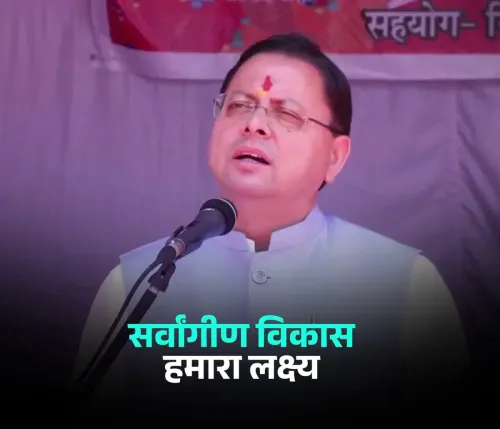
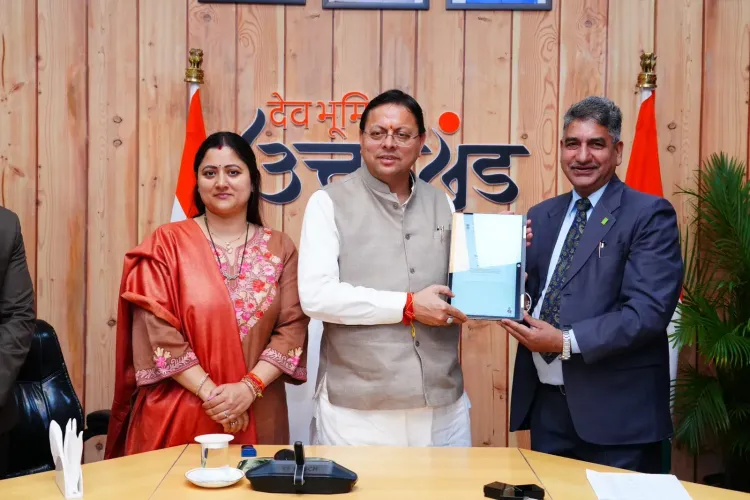
Setting an example from his official residence in Dehradun, Uttarakhand Chief Minister Pushkar Singh Dhami completed the digital self-enumeration process under Phase II of Census-2027 along with his family on Monday, 16 November 2026 — and immediately called on every resident of the state to do the same before the deadline.
Dhami shared the act publicly, writing: 'शासकीय आवास पर सपरिवार जनगणना-2027 के द्वितीय चरण के अंतर्गत डिजिटल माध्यम से स्व-गणना (सेल्फ एन्यूमरेशन) की' — 'At my official residence, along with my family, I completed the digital self-enumeration under Phase II of Census-2027.' He framed the exercise not as routine paperwork but as a foundation stone for the state's future planning.
Why accurate numbers matter more in Uttarakhand
Dhami's appeal carries particular weight for a state shaped by geography as much as by policy. Uttarakhand's rugged Himalayan terrain — deep valleys, high-altitude villages, roads that disappear under snow — has historically made headcounts difficult and left remote communities under-counted. When populations are undercounted, the downstream damage is concrete: fewer hospital beds sanctioned, less funding for mountain roads, inadequate drinking-water schemes.
The Chief Minister was explicit on this link, stating that accurate census figures 'will prove useful in expanding education, health, roads, drinking water and other basic facilities in line with the needs of hilly and remote areas, and in better planning of resources.' That is not rhetorical padding — it is how Indian federal resource allocation actually works. Central and state schemes from health missions to rural connectivity programmes are calibrated to population data.
India's long-delayed census finally goes digital
The stakes behind a single CM's self-enumeration are bigger than they appear. India's last completed census was conducted in 2011 — meaning the country has run more than a decade of welfare schemes, parliamentary delimitation debates, and infrastructure budgets on fifteen-year-old headcount data. The 2021 Census was deferred when the COVID-19 pandemic forced a suspension, pushing the exercise to what is now scheduled as Census-2027.
The current iteration introduces digital self-enumeration as a core mechanism — allowing households to register their data via mobile or computer rather than waiting for an enumerator to knock. For Uttarakhand, where an enumerator may need to trek hours to reach a hamlet, the self-enumeration window is not a convenience feature. It is a coverage insurance policy.
The Chief Minister's public nudge — and what follows
By completing the process on camera and posting it publicly, Dhami deployed a familiar but effective lever: visible elite participation to normalise civic compliance. The appeal is direct — 'I request all residents of the state to complete self-enumeration within the stipulated period and ensure their participation in this important national campaign.'
Participation rates in this phase across Uttarakhand's urban districts and, critically, its remote hill talukas will determine how complete — and how useful — the resulting dataset actually is. The numbers recorded now will shape budget allocations, school-building plans, and health infrastructure decisions well into the 2030s. Fill it in accurately, and the mountains get counted. Miss it, and they remain invisible on the planning map.
Point of View
And states like Uttarakhand, with dispersed hill populations that have historically slipped through enumeration nets, stand to gain or lose the most from participation rates in this digital phase. For the BJP government in Dehradun, a thorough count is also a political asset: better data means stronger evidence for pressing Delhi on mountain-specific infrastructure funding. The move aligns with the Centre's broader push to modernise civic processes through digital-first delivery — though the proof will lie in whether self-enumeration penetration actually reaches the last ridge-top village.
NationPress
16 Nov 2026
Frequently Asked Questions
What is Census-2027 self-enumeration in India?
Census-2027 self-enumeration allows Indian households to register their population data digitally — via mobile or computer — without waiting for an enumerator to visit. It is part of India's modernised decennial census process, introduced to improve coverage and accuracy, particularly in remote areas.
Why was India's census delayed from 2021 to 2027?
India's decennial census, originally scheduled for 2021 , was postponed due to the COVID-19 pandemic , which made large-scale door-to-door enumeration impossible. The exercise was subsequently rescheduled and is now being conducted as Census-2027 .
How does the census affect Uttarakhand's development planning?
Census data determines how central and state funds are allocated for schools, hospitals, roads, and drinking water infrastructure. In Uttarakhand, where remote mountain communities are often under-counted, an accurate census means these villages receive proportionate resources in government schemes.
What did CM Dhami say about Census-2027?
CM Dhami said accurate census figures will play an important role in building future development plans for Uttarakhand, especially in expanding basic facilities — education, health, roads, and drinking water — suited to the needs of hilly and remote regions. He urged all state residents to complete their self-enumeration within the stipulated period.
How can Uttarakhand residents complete Census-2027 self-enumeration?
Residents can complete Census-2027 self-enumeration through the designated digital portal using a mobile phone or computer during the prescribed enumeration window announced by the government of India.