Kerala HC rejects in camera trial plea in Abhimanyu murder case
Synopsis
Seven years after SFI activist Abhimanyu was stabbed to death at Maharaja's College in Ernakulam, the Kerala High Court has shut down the accused's bid for a closed-door trial — ruling that open justice is the rule, not the exception. The case against 16 accused, with 10 more still under investigation, will now proceed in open court with limited safeguards on photography.
Key Takeaways
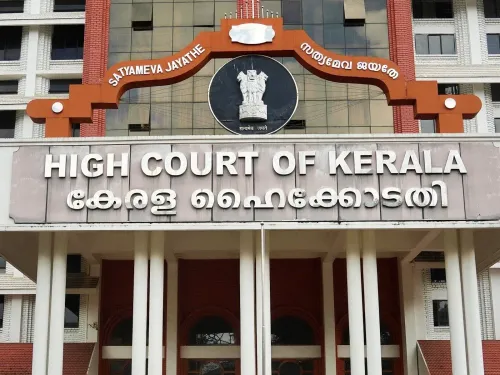
Kerala High Court on 7 October 2026 rejected the accused's plea for an in camera trial in the Abhimanyu murder case .
Dias upheld the Ernakulam Principal Sessions Court order, affirming open court proceedings as the general rule under Section 366, BNSS .
The court directed that no photography or video recording of the accused or proceedings be permitted inside the courtroom.
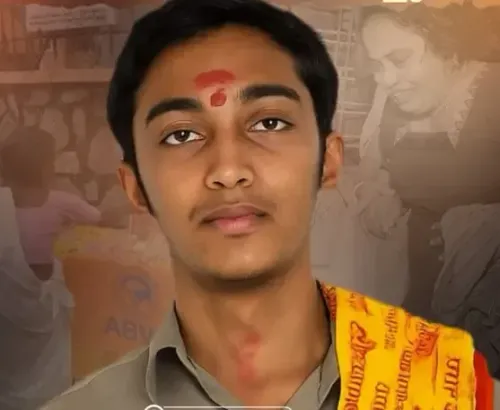
Abhimanyu , aged 21 , was allegedly stabbed at Maharaja's College, Ernakulam on 1 July 2018 during a campus poster dispute.
Trial is pending against 16 accused before the Ernakulam Sessions Court; investigation continues against 10 others .
The case has been pending for over seven years since the charge sheet was filed in September 2018 .
The Kerala High Court on Wednesday, 7 October 2026, rejected a plea by the accused in the 2018 murder of Student Federation of India (SFI) activist Abhimanyu, who had sought an in camera trial, holding that criminal proceedings are ordinarily required to be conducted in open court. The ruling upholds the foundational principle of judicial transparency in one of Kerala's most high-profile campus violence cases.
What the Court Ruled
Justice C.S. Dias upheld the earlier order of the Ernakulam Principal Sessions Court, which had similarly rejected the closed-door trial request. The High Court held that Section 366 of the Bharatiya Nagarik Suraksha Sanhita (BNSS) clearly recognises open court proceedings as the general rule, with in camera trials being a recognised exception — not a default entitlement for the accused.
The court also noted that the apprehension raised by the accused related to the possibility of their being exposed to witnesses, and not to any threat, intimidation, or disturbance during the trial itself — a distinction that weighed against granting the plea.
Key Safeguards Directed by the Court
While rejecting the plea, the court issued measured protective directions. It directed the trial court, in coordination with the police, to ensure that nobody photographs or video records the trial or the accused while inside the courtroom. It also said the trial court could consider restricting entry of the public or particular persons during the examination of eyewitnesses, if circumstances warrant it to ensure a fair trial.
Background: The Abhimanyu Murder Case
The case centres on the killing of 21-year-old Abhimanyu, an SFI activist, at Maharaja's College in Ernakulam on 1 July 2018. He was allegedly stabbed during a clash reportedly linked to a dispute over putting up campus posters. Four other SFI activists were also attacked in the incident.
Police filed the charge sheet in September 2018, yet the trial has remained pending for more than seven years. The case is currently before the Ernakulam Sessions Court against 16 accused, with investigation continuing against 10 others.
Arguments Raised by the Accused
The accused had argued that extensive media coverage of the trial created a risk of eyewitnesses identifying them from photographs or video recordings in the press. They also pointed out that no test identification parade had been conducted, heightening their concern about dock identification during trial.
The prosecution opposed the plea, arguing that open court proceedings were the rule under the BNSS and that arrangements had already been made to prevent law and order problems and ensure witness safety.
What Happens Next
With the in camera plea dismissed, the trial before the Ernakulam Sessions Court will proceed in open court, subject to the High Court's directions on photography and video recording. The case — already delayed over seven years — now awaits fresh scheduling for witness examination. How the trial court manages public and media access during sensitive witness testimony will be closely watched.
Point of View
Over seven years later. The accused's in camera plea was, in part, a consequence of the extraordinary delay — the longer a trial drags, the more fraught identification proceedings become. The court's safeguards on photography are a pragmatic middle ground, but they do not address the systemic backlog that allowed this case to age so badly. Campus political violence in Kerala has a documented pattern; swift, transparent trials are the only credible deterrent, and this one has not served that purpose.
NationPress
7 Oct 2026
Frequently Asked Questions
Why did the Kerala High Court reject the in camera trial plea in the Abhimanyu murder case?
The Kerala High Court rejected the plea because open court proceedings are the general rule under Section 366 of the Bharatiya Nagarik Suraksha Sanhita (BNSS), and an in camera trial is an exception. Justice C.S. Dias found that the accused's concern — that witnesses might identify them from media photographs — did not constitute the kind of threat, intimidation, or disturbance that justifies a closed-door trial.
Who was Abhimanyu and what happened to him?
Abhimanyu was a 21-year-old SFI activist who was allegedly stabbed to death at Maharaja's College in Ernakulam on 1 July 2018, during a clash reportedly linked to a dispute over putting up campus posters. Four other SFI activists were also injured in the incident.
What is the current status of the Abhimanyu murder trial?
The trial is pending before the Ernakulam Sessions Court against 16 accused, with investigation still continuing against 10 others. Despite the charge sheet being filed in September 2018, the case has remained pending for over seven years.
What safeguards did the Kerala High Court put in place despite rejecting the in camera plea?
The court directed the trial court, in coordination with police, to ensure that nobody photographs or video records the accused or the proceedings inside the courtroom. It also said the trial court could restrict public entry during the examination of eyewitnesses if necessary to ensure a fair trial.
What argument did the accused make in favour of an in camera trial?
The accused argued that extensive media coverage could allow eyewitnesses to identify them from photographs or video recordings before testifying, which could prejudice the trial. They also noted that no test identification parade had been conducted, increasing their concern about in-court identification.