Kerala HC admits Ansiba Hassan's plea over FIR refusal in video case
Synopsis
The Kerala High Court has admitted actor Ansiba Hassan's petition after a Magistrate refused to direct police to register an FIR over allegedly objectionable videos. The bench's oral observation — that one of the BNS provisions cited 'only men can commit' — adds a sharp legal wrinkle to a case that sits at the crossroads of digital harassment law, gender-specific penal provisions, and judicial oversight of police discretion.
Key Takeaways
The Kerala High Court admitted actor Ansiba Hassan's petition on 30 July challenging a Magistrate's refusal to direct FIR registration.
The FIR was sought against actor Lakshmi Priya and two CAN Channel officials over allegedly objectionable videos.
Justice Jobin Sebastian issued notices to the state, Palarivattom Police Station SHO , and Ernakulam district police chief , with a one-week deadline to respond.
The court noted one BNS provision cited by the petitioner may not be gender-neutral, observing 'only men can commit the offence.' Ansiba has invoked Sections 75(iv) and 79 of the BNS , Sections 67 and 67A of the IT Act , and Section 119(a) of the Kerala Police Act .
Police had earlier concluded only defamation was attracted; the High Court questioned whether other cognisable offences were specifically ruled out.
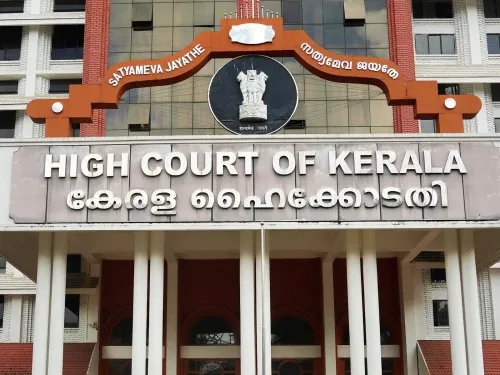
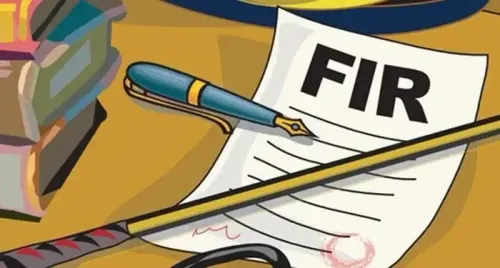
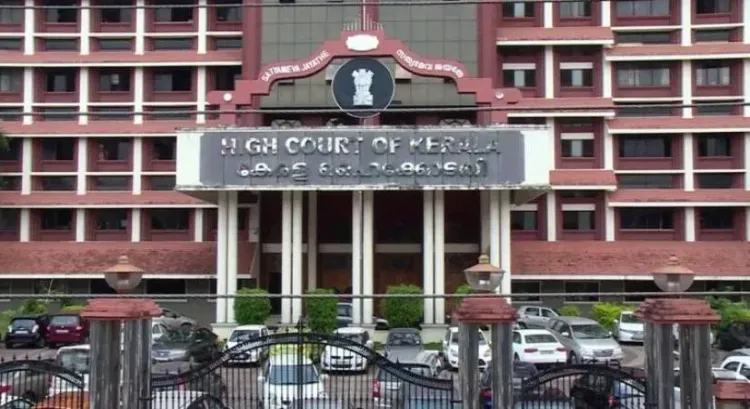
The Kerala High Court on Thursday, 30 July admitted actor Ansiba Hassan's petition challenging a Magistrate's refusal to direct police to register an FIR against fellow actor Lakshmi Priya and two officials of CAN Channel, over the alleged circulation of objectionable videos purportedly aimed at damaging her reputation. The case raises pointed questions about the applicability of multiple penal provisions — and the limits of a Magistrate's discretionary power.
Court Issues Notices, Seeks Response
Justice Jobin Sebastian issued notice to the state government, the Station House Officer of Palarivattom Police Station, and the Ernakulam district police chief, granting each a week to file their responses. The matter has been scheduled for further hearing the following week.
Key Legal Questions Raised
During the hearing, the court scrutinised the specific penal provisions invoked by the petitioner and questioned whether the alleged facts actually disclosed the ingredients of those offences. Referring to one provision under the Bharatiya Nyaya Sanhita (BNS), Justice Sebastian orally observed that it was 'not a gender-neutral provision' and remarked that 'only men can commit the offence.'
Counsel for Ansiba clarified that, besides Lakshmi Priya, two male accused had also been named — the person who conducted the interview and the owner of the YouTube channel through which the allegedly objectionable content was published. The court, however, noted that merely conducting an interview would not, by itself, render the interviewer liable under the offence cited.
How the Case Reached the High Court
After Kochi police declined to register a case on her complaint, Ansiba approached the Judicial First Class Magistrate Court, Ernakulam. The Magistrate sought a police report under the Bharatiya Nagarik Suraksha Sanhita (BNSS) but rejected the plea for directing FIR registration. Police had concluded that only the offence of defamation was attracted.
The High Court questioned whether the Magistrate had specifically ruled out the applicability of other cognisable offences. Finding that the Magistrate's order did not clearly address this issue, the court admitted the petition for detailed consideration.
Sections Invoked by the Petitioner
Ansiba has alleged offences under Sections 75(iv) and 79 of the BNS, Sections 67 and 67A of the Information Technology Act, and Section 119(a) of the Kerala Police Act. She contends that the videos were circulated with the deliberate intent of humiliating and harassing her through social media platforms.
What Happens Next
With notices now issued to the state and police authorities, the High Court's next hearing will determine whether the Magistrate's order warrants interference and whether an FIR must be mandatorily registered. The case is being closely watched as it touches on the intersection of digital content, gender-specific penal provisions, and police discretion in registering complaints from public figures.
Point of View
But for how digital harassment complaints by public figures are processed at the ground level. The Magistrate's order — which apparently did not explicitly rule out cognisable offences beyond defamation — reflects a broader pattern of under-scrutiny at the first tier of judicial oversight. More consequentially, the bench's oral remark that one BNS provision applies only to men exposes a structural gap: laws meant to address online harassment may leave women complainants with a narrower toolkit than legislators intended. This case could prompt a closer reading of gender-neutral applicability across BNS provisions in digital content offences.
NationPress
13 Sept 2026
Frequently Asked Questions
Why did the Kerala High Court admit Ansiba Hassan's petition?
The Kerala High Court admitted the petition because the Magistrate's order rejecting her plea for FIR registration did not clearly address whether other cognisable offences — beyond defamation — were specifically ruled out. The court found this gap warranted detailed consideration.
Who are the accused named in Ansiba Hassan's complaint?
The accused include actor Lakshmi Priya, the person who conducted an interview, and the owner of the YouTube channel through which the allegedly objectionable content was published. All three are connected to CAN Channel.
What legal sections has Ansiba Hassan invoked?
Ansiba has cited Sections 75(iv) and 79 of the Bharatiya Nyaya Sanhita (BNS), Sections 67 and 67A of the Information Technology Act, and Section 119(a) of the Kerala Police Act, alleging the videos were circulated to humiliate and harass her on social media.
What was the court's observation about the BNS provision?
Justice Jobin Sebastian orally observed that one of the BNS provisions cited by the petitioner is not gender-neutral, remarking that 'only men can commit the offence.' This raised questions about the applicability of that specific section to the accused in the case.
What happens next in the case?
The Kerala High Court has asked the state, the Palarivattom Police Station SHO, and the Ernakulam district police chief to file their responses within one week. The matter is posted for further hearing the following week, when the court will examine whether the Magistrate's order should be set aside.