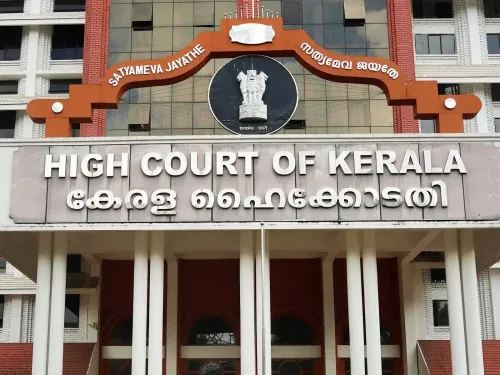
Kerala High Court issues notice to 'Kerala Story 2' producer over title, certification
Synopsis
A fresh legal challenge to Kerala Story 2: Goes Beyond has reached the Kerala High Court, with a petition seeking removal of 'Kerala' from the title and questioning its CBFC certification. The court's willingness to hear the plea — despite an earlier round of dismissed petitions — hinges on the film's active OTT availability, and reopens an unresolved constitutional question about whether private parties can challenge film certifications at all.
Key Takeaways
The Kerala High Court issued an urgent notice to producer Vipul Amrutlal Shah on 18 June over a petition challenging Kerala Story 2: Goes Beyond .
The petition seeks removal of the word 'Kerala' from the film's title and challenges its CBFC certification .
The court agreed to hear the matter because the film remains available on OTT platforms since 1 May .
The petitioner has invoked Bharatiya Nyaya Sanhita provisions on promoting enmity and hurting religious sentiments.
Zee Entertainment Enterprises Limited has been sought to be impleaded as a respondent.
A broader legal question on the maintainability of private certification challenges — left open by an earlier Division Bench — is set to be re-examined.
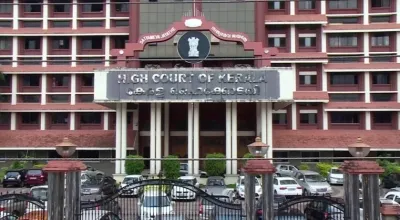
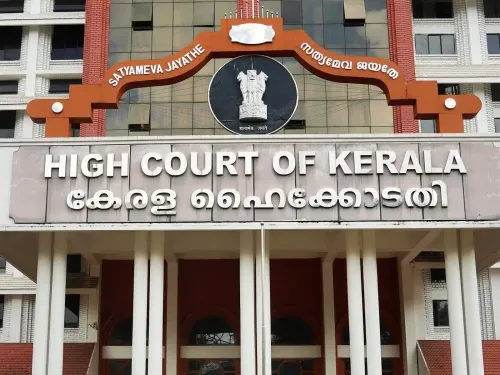
The Kerala High Court on Thursday, 18 June issued an urgent notice to filmmaker Vipul Amrutlal Shah, producer of Kerala Story 2: Goes Beyond, on a fresh petition challenging the film's certification and seeking removal of the word 'Kerala' from its title. The notice was issued by a bench of Justice P.V. Kunhikrishnan, even as the court questioned whether the petition had lost its force given that the film had already been released and widely watched.
Why the Court Agreed to Hear the Plea
The bench initially raised doubts about whether the petition had become infructuous after the theatrical release. However, the petitioner's counsel pointed out that the film's OTT release — available on a digital platform since 1 May — kept the matter alive. The court accepted this argument and agreed to examine the petition, noting that the question of legal maintainability could be decided at the final hearing stage.
What the Petition Alleges
The petition challenges the certification granted to the film, alleging that its content damages the reputation of Kerala and fosters social disharmony. The petitioner has accused the producer of offences under provisions of the Bharatiya Nyaya Sanhita (BNS) relating to promoting enmity between groups, acts prejudicial to national integration, and deliberate acts intended to hurt religious sentiments.
The plea has also sought to implead Zee Entertainment Enterprises Limited, the OTT platform on which the film was released. The petitioner submitted additional documents, including an email to the platform's grievance officer and social media screenshots, alleging that the film was being projected as a factual account and used to propagate a narrative against Keralites and minority communities.
Background: Earlier Rounds of Litigation
This is not the first legal challenge the film has faced. In an earlier round of litigation, Justice Bechu Kurian Thomas recused himself from hearing the matter. A Division Bench subsequently lifted an interim stay that had temporarily halted the film's release, after which earlier petitions were dismissed. Appeals filed by both the Centre and the producer were also dismissed as infructuous.
Notably, the Division Bench had left open a significant legal question raised by the Central Board of Film Certification (CBFC) and the Union government: whether private petitions challenging a film's certification on the ground that it allegedly damages a state's reputation are legally maintainable at all. That unresolved question now returns to the court through this fresh plea.
What Happens Next
The court will examine the fresh petition at a subsequent hearing, with the film continuing to be accessible via its digital release. The outcome could have broader implications for how certification challenges are treated in Indian courts, particularly for films with politically or socially contested content.
Point of View
However, is the one the Division Bench deliberately left open: can a private citizen challenge a film's CBFC certification on reputational grounds? If the court answers yes, it could open a floodgate for state-specific grievance petitions against films across India. The invocation of BNS enmity provisions adds a criminal law dimension that courts have historically treated with caution, and the outcome here may set a precedent that goes well beyond this one film.
NationPress
25 Sept 2026
Frequently Asked Questions
Why did the Kerala High Court issue a notice to the producer of 'Kerala Story 2'?
The Kerala High Court issued an urgent notice to producer Vipul Amrutlal Shah on 18 June after a petitioner challenged the film's CBFC certification and sought removal of the word 'Kerala' from its title. The court agreed to hear the matter because the film remains available on OTT platforms, keeping the legal question alive.
What does the petition against 'Kerala Story 2' allege?
The petition alleges that the film's content damages the reputation of Kerala and creates social disharmony. The petitioner has also accused the producer of offences under Bharatiya Nyaya Sanhita provisions relating to promoting enmity between groups, acts prejudicial to national integration, and deliberately hurting religious sentiments.
Has 'Kerala Story 2' faced legal challenges before?
Yes. An earlier round of litigation saw Justice Bechu Kurian Thomas recuse himself, a Division Bench lift an interim stay on the film's release, and subsequent petitions dismissed as infructuous. Appeals by both the Centre and the producer were also dismissed, though the question of whether private certification challenges are legally maintainable was left open.
Why is the OTT release significant to this case?
The film's OTT release on 1 May kept the petition legally relevant. The court had initially questioned whether the petition was infructuous after the theatrical release, but accepted the argument that the film's continued digital availability meant the matter had not become moot.
What is the broader legal question at stake?
The Central Board of Film Certification and the Union government had earlier raised the question of whether private petitions challenging a film's certification on the ground that it damages a state's reputation are legally maintainable. That question, left unresolved by the Division Bench, is now expected to be examined in this fresh round of hearings.