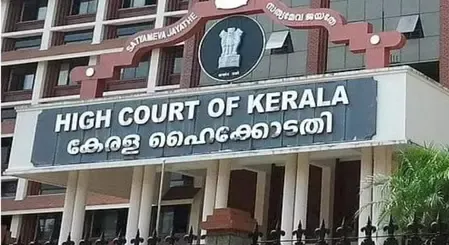
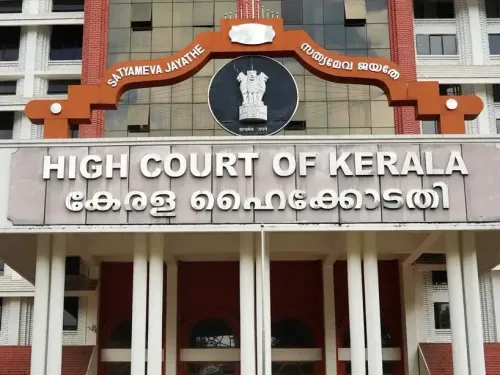
Kerala HC orders Guruvayur temple staff to show respect to devotees

Synopsis
The Kerala High Court has stepped in to protect the dignity of temple-goers, ordering Guruvayur Devaswom staff to show decorum toward every devotee — no matter the crowd pressure. The ruling, born from pilgrim harassment complaints, lands just as the high-footfall Sabarimala season kicks off, making it a timely benchmark for temple administration across the state.
Key Takeaways
The Kerala High Court on 20 November 2026 directed the Guruvayur Devaswom Board to ensure all staff treat devotees with dignity and respect.
A division bench of Justice Devan Ramachandran and Justice Basant Balaji issued the order in two suo motu cases based on devotee harassment complaints.
The court held that crowd management pressures or provocation cannot justify rude or angry conduct by temple employees.
The bench also reminded devotees of their own duty to cooperate with staff and behave with restraint.
The ruling coincides with the opening of the Sabarimala pilgrimage season , where police must manage 75 darshans per minute to control queue lengths.
The Kerala High Court on Friday, 20 November 2026, directed the Guruvayur Devaswom Board and its employees to treat every devotee visiting the Guruvayur Sree Krishna Temple with dignity, care, and the highest degree of respect — making clear that crowd management pressures cannot justify rude or harsh behaviour toward pilgrims.
What the Court Said
A division bench comprising Justice Devan Ramachandran and Justice Basant Balaji stated that 'every devotee visiting the Temple is required to be cared for and treated with the acme degree of decorum and respect.' The bench emphasised that temple employees at every level must maintain composure and must neither lose their temper nor display anger toward those visiting the shrine.
The court acknowledged the difficulty of managing large volumes of pilgrims — hundreds of whom wait in queues for hours — while keeping the darshan process moving efficiently. However, it held that the pressure of duty or any provocation could not justify altercations or disrespectful conduct by staff. The bench warned that heated exchanges, if not controlled, could escalate and disturb the sanctified atmosphere of the temple.
How the Cases Were Initiated
The observations arose from two suo motu cases that the High Court had initiated on the basis of letters received from devotees complaining of alleged harassment of themselves and fellow pilgrims at the temple. The court's decision to take up the matter on its own motion underscores the seriousness with which it viewed the complaints.
Mutual Responsibility Underlined
The bench also stressed that civility was a two-way obligation. Devotees, the court noted, must likewise behave with restraint and cooperate with temple staff. The ruling draws a clear but balanced line: crowd management is a legitimate and difficult responsibility, but it cannot come at the cost of a worshipper's dignity. Those arriving at a place of worship seeking peace and spiritual solace, the court observed, should not leave with the pain of disrespectful treatment.
Wider Context: Sabarimala Season Opens
The ruling comes at a significant moment for temple administration across Kerala. The two-month Sabarimala pilgrimage season opened on Tuesday, with the Kerala Police reportedly tasked with ensuring that 75 pilgrims receive darshan every minute to prevent queue build-up. The logistical demands of managing lakhs of pilgrims at Sabarimala make the High Court's emphasis on dignified crowd management especially timely, as authorities at both temples navigate the challenge of balancing throughput with devotee welfare.
The Kerala High Court's directive is expected to prompt the Guruvayur Devaswom Board to review its staff training and crowd-management protocols in the weeks ahead.
Point of View
Raising a question about whether Devaswom boards across Kerala have adequate grievance redress mechanisms for pilgrims. The timing, with the Sabarimala season just opening and lakh-scale crowds expected, lends the ruling an urgency that goes beyond one temple. If the state's temple authorities do not internalise this directive, the court may find itself revisiting the issue before the pilgrimage season ends.
NationPress
20 Nov 2026
Frequently Asked Questions
What did the Kerala High Court order regarding Guruvayur temple?
The Kerala High Court directed the Guruvayur Devaswom Board and its staff to treat every devotee with the highest degree of dignity, care, and respect. The court made clear that no amount of crowd pressure or provocation could justify rude or angry behaviour by temple employees toward pilgrims.
Why did the Kerala High Court take up this matter?
The High Court initiated two suo motu cases after receiving letters from devotees complaining of alleged harassment of themselves and other pilgrims at the Guruvayur Sree Krishna Temple. The court decided to act on its own motion, without waiting for a formal petition.
Which judges issued the Guruvayur temple ruling?
The order was issued by a division bench comprising Justice Devan Ramachandran and Justice Basant Balaji of the Kerala High Court.
Does the ruling place any responsibility on devotees as well?
Yes. The bench stressed that civility is a mutual responsibility. Devotees are also expected to behave with restraint and cooperate with temple staff, even as staff must maintain composure and respect.
How does this ruling connect to the Sabarimala pilgrimage season?
The two-month Sabarimala pilgrimage season opened on Tuesday, with Kerala Police reportedly tasked with managing 75 darshans per minute to prevent queue build-up. The High Court's emphasis on dignified crowd management makes the ruling directly relevant to authorities handling large pilgrim volumes across Kerala.