Kerala PSC recruitment probe reset: pressure mounts on CM Satheesan

Synopsis
Kerala's PSC just reversed its own probe assignment under internal fire — a rare public climbdown that exposes fault lines inside a constitutional body appointed by the previous LDF government. With ten questions allegedly unevaluated, a Left-linked candidate holding first rank, and five Commission vacancies in Satheesan's gift, this is no longer just a bureaucratic dispute.
Key Takeaways
The Kerala PSC on 6 July withdrew the State Planning Board recruitment probe from the Examination Controller and reassigned it to the SP, Internal Vigilance .
The reversal followed pressure from PSC members who said the original assignment violated an earlier Commission resolution.
Ten questions were allegedly left unevaluated in the common exam; rank lists were still published and appointments made.
The PSC acknowledged an evaluation error and cancelled one rank list but has not ordered re-evaluation of answer scripts.
Calls are growing for a VACB investigation, with CM V.D.
Satheesan facing complaints about PSC functioning over the past decade.
The Commission has five vacancies ; the Satheesan government's appointment decisions are expected to shape the body's future credibility.
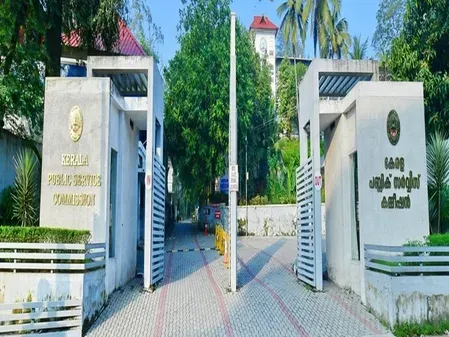
The Kerala Public Service Commission (PSC) on Monday, 6 July reversed a contentious decision by withdrawing the recruitment scam inquiry from the Examination Controller and reassigning it to the Superintendent of Police, Internal Vigilance — a climbdown that has sharply raised political stakes for Chief Minister V.D. Satheesan and his government. The controversy centres on alleged irregularities in appointments to the State Planning Board, where ten questions were reportedly left unevaluated during a common examination for Chief-level posts.
What Triggered the Reversal
The original decision to assign the probe to the Examination Controller had drawn immediate fire from within the Commission itself. Several PSC members pointed out that an earlier Commission resolution had already designated the Internal Vigilance wing for such inquiries, making the Chairman's move procedurally irregular. According to reports, PSC Chairman Dr M.R. Baiju came under intense pressure at the Board meeting, ultimately forcing the rollback.
Critics within the Commission argued the initial assignment had the effect of diluting the inquiry — a charge that has only deepened public scepticism about the body's willingness to investigate itself.
The Recruitment Scam at the Centre of the Storm
The controversy stems from a common examination conducted for Chief-level posts across three divisions of the State Planning Board. Ten questions were allegedly left unevaluated, yet rank lists were published for two posts and appointments made — including that of a candidate reportedly associated with a Left-backed organisation who secured the first rank.
The PSC subsequently acknowledged that an evaluation error had occurred and cancelled one of the rank lists after the controversy surfaced. However, it has not ordered a re-evaluation of answer scripts or revised the remaining rankings, a gap that has intensified demands for an independent probe.
Political Pressure on the Satheesan Government
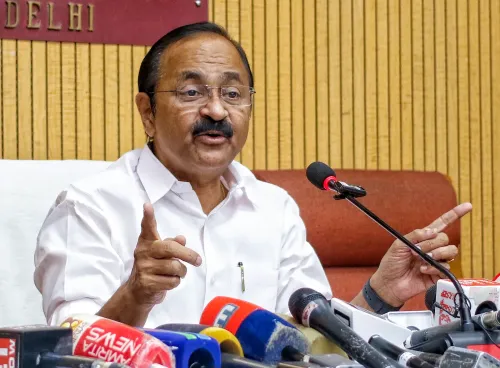
Chief Minister Satheesan is understood to have received complaints from multiple quarters regarding the PSC's functioning over the past decade — a period that substantially overlaps with the tenure of the previous Pinarayi Vijayan-led Left Democratic Front (LDF) government, which was in office until 2026. Wednesday's Cabinet meeting is now being closely watched for any government response.
Pressure is mounting on the Satheesan administration to order a full-fledged investigation by the Vigilance and Anti-Corruption Bureau (VACB), bypassing the PSC's internal machinery altogether. The episode has also revived broader questions about the independence of the constitutional body.
Commission Composition Under Scrutiny
The controversy has drawn renewed attention to how the PSC is constituted. Under existing norms, the Chairman and members are appointed by the government, with each serving until the age of 62 or for six years, whichever comes earlier. The present Commission — comprising the Chairman and 15 members — was appointed during the previous LDF government.
There are currently five vacancies in the Commission, and the Satheesan government is weighing its options on fresh appointments. Those decisions are expected to significantly shape both the credibility and the future functioning of the body.
What Comes Next
With the Internal Vigilance SP now formally in charge of the inquiry, the immediate question is whether that probe will satisfy demands for accountability or merely defer them. A VACB referral remains on the table, and the outcome of Wednesday's Cabinet meeting could determine the government's next move. How the Satheesan administration handles both the appointments and the investigation will be a defining test of its commitment to institutional reform.
Point of View
With members appointed by the very government whose era is under scrutiny. Reassigning the probe to an internal SP is a half-measure — it keeps the inquiry within the same institutional walls that critics say enabled the irregularity. The real accountability question is whether the Satheesan government will use its five appointment vacancies to genuinely reconstitute the Commission or simply extend political patronage under a new banner. A VACB referral would be the cleaner signal, but it also risks embarrassing the LDF's legacy in ways that could complicate Kerala's coalition arithmetic.
NationPress
5 Oct 2026
Frequently Asked Questions
What is the Kerala PSC recruitment scam about?
The controversy involves a common examination for Chief-level posts in three divisions of the Kerala State Planning Board, where ten questions were allegedly left unevaluated. Despite this, rank lists were published and appointments made, including one for a candidate reportedly linked to a Left-backed organisation who secured the first rank.
Why did the Kerala PSC reverse its probe decision?
The PSC reversed course after several members objected that assigning the inquiry to the Examination Controller contradicted an earlier Commission resolution designating the Internal Vigilance wing for such probes. PSC Chairman Dr M.R. Baiju reportedly came under intense pressure at the Board meeting before agreeing to the reassignment.
What is the VACB and why is it being demanded?
The Vigilance and Anti-Corruption Bureau (VACB) is Kerala's independent anti-corruption agency, separate from the PSC's internal machinery. Critics and opposition voices are demanding a VACB probe because they argue the PSC cannot credibly investigate itself, particularly given that the current Commission was appointed during the previous LDF government.
How does this affect Chief Minister V.D. Satheesan?
CM Satheesan is reportedly receiving complaints from multiple quarters about PSC functioning during the previous decade. With Wednesday's Cabinet meeting under scrutiny and five Commission vacancies to fill, his decisions on appointments and the scope of the investigation will be closely watched as a test of his government's accountability credentials.
Has the PSC corrected the evaluation error?
The PSC acknowledged the evaluation error and cancelled one of the two rank lists after the controversy surfaced. However, it has not ordered a re-evaluation of answer scripts or revised the remaining rankings, which critics say leaves the core irregularity unaddressed.