Kerala CM Satheesan promises special law to shield women from cyber attacks
Synopsis
Kerala is set to become one of the first states in India with a dedicated law targeting cyber attacks on women — announced by Chief Minister Satheesan at a national summit in Thiruvananthapuram. The new women's policy bundles digital safety with economic independence, governance inclusion, and health, and the government has set its sights on making it a national model.
Key Takeaways
Satheesan announced a special law to protect women from cyber attacks and online humiliation on 2 November 2026 .
The announcement was made at the Her Summit 2026 in Thiruvananthapuram , a national summit on the state's new women's policy.
The policy covers safety from violence and harassment, financial independence , governance participation, and health — including mental health and postpartum depression .
Women entrepreneurs will receive financial and technical support, with focus on region-specific products and the green economy .
Gender equality and rights awareness will be integrated into education under the new framework.
The policy is being finalised through democratic consultation with homemakers, working women, entrepreneurs, elected representatives, young girls, and men.
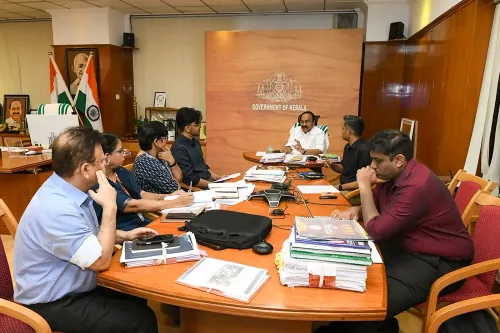
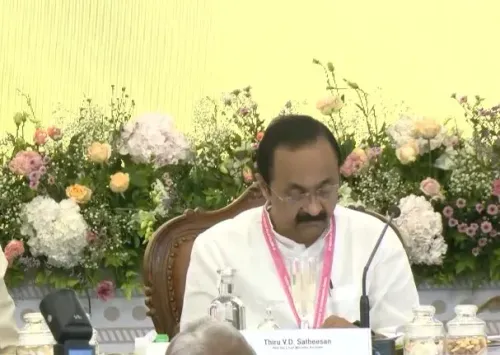
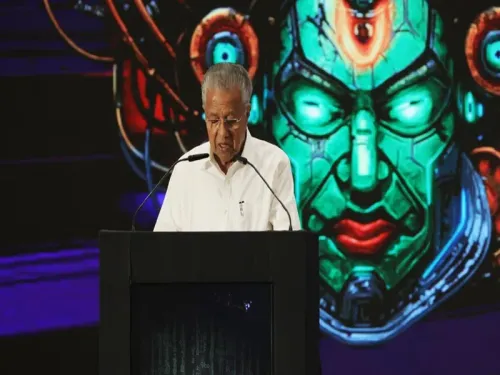
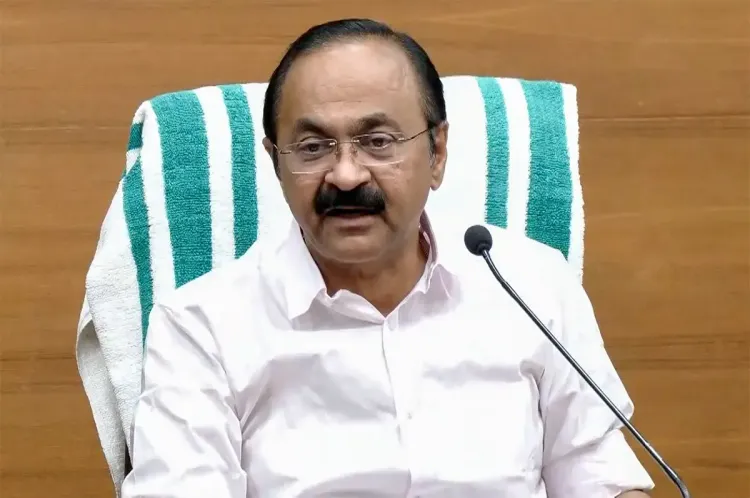
Kerala Chief Minister V.D. Satheesan on Monday, 2 November 2026, announced a proposed special legislation to protect women from cyber attacks and online humiliation, unveiling a sweeping new women's policy in Thiruvananthapuram that spans safety, economic empowerment, and equal participation in governance. The announcement came during the inauguration of the two-day Her Summit 2026, a national summit titled 'New Era Women's Policy Her Summit 2026', organised by the Women and Child Development Department under its 'With My Daughter' initiative.
The Proposed Cyber Law and Safety Framework
Chief Minister Satheesan said the government would implement the policy 'without compromise', with protections extending to violence, harassment, and humiliation at home, workplaces, and public spaces. He stressed the need for strict action against those who weaponise social media to target and humiliate women, adding that 'ordinary women should not be left helpless in the face of online abuse.' The proposed cyber law, once enacted, would be among the few state-level legislative frameworks in India specifically addressing digital violence against women.
The policy is being prepared through extensive consultations with women and people across different walks of life, and Satheesan expressed the government's ambition to make it a model for other states.
Economic Independence as a Core Pillar
The Chief Minister said the government would launch major programmes this year to advance women's financial independence. Authorities plan to identify region-specific products and services that women can develop and take to market, with the government providing marketing support and bringing in knowledge partners. Satheesan also said that financial constraints would not be permitted to delay these programmes.
Women and Child Development Minister Bindu Krishna added that the policy would actively support women entrepreneurs through both financial and technical assistance, and would open better opportunities in the green economy and emerging employment sectors.
Governance, Education, and Health Dimensions
Minister Bindu Krishna said the policy goes beyond existing welfare measures, seeking to give women a greater role in policy-making, budget decisions, and governance at all levels — not just in local body institutions. She said gender equality and awareness of rights would be integrated into education, while special attention would be given to adolescent health, menstrual health, mental health, and postpartum depression.
Creating safe public spaces and workplaces would be a priority, with the minister stating that 'women must be able to move freely and work with dignity without fear.'
Democratic Consultation Before Finalisation
Minister for Welfare of Scheduled Castes, Scheduled Tribes and Backward Communities K.A. Thulasi said Kerala's seven-decade progress had been shaped by collective discussion and democratic decisions, and the same approach would guide the women's policy. Views are being gathered from homemakers, working women, entrepreneurs, elected representatives, and all sections of society — including young girls and men — before the policy is finalised.
Minister Bindu Krishna emphasised that the aim was to prepare the policy through democratic consultation 'rather than impose decisions from above.' The final policy, once adopted, could set a benchmark for gender legislation across India.
Point of View
Which critics consistently flag as inadequate for gender-targeted digital abuse. The broader women's policy, however, is still in consultation and carries the risk that ambitious multi-pillar frameworks often face: diffusion of accountability across too many departments. The economic independence component, tied to region-specific products and marketing support, echoes earlier state-level livelihood schemes whose impact was uneven. The real test will be whether the cyber law carries deterrent provisions with teeth, and whether the policy's implementation is tracked through verifiable outcomes rather than programme launches.
NationPress
2 Nov 2026
Frequently Asked Questions
What is the special law Kerala plans to introduce for women's cyber protection?
Kerala plans to enact a dedicated state law to protect women from cyber attacks and online humiliation, announced by Chief Minister V.D. Satheesan on 2 November 2026. The legislation is part of a broader new women's policy and would address digital violence and social media targeting of women specifically.
What is the Her Summit 2026 in Thiruvananthapuram?
Her Summit 2026, officially titled 'New Era Women's Policy Her Summit 2026', is a two-day national summit organised by Kerala's Women and Child Development Department under its 'With My Daughter' initiative. It served as the platform for Chief Minister Satheesan's announcement of the new women's policy and the proposed cyber protection law.
What are the key pillars of Kerala's new women's policy?
The policy covers five broad areas: protection from cyber attacks and physical violence; financial independence through marketing support and entrepreneurship programmes; greater participation in governance and budget decisions; integration of gender equality into education; and special attention to adolescent health, menstrual health, mental health, and postpartum depression.
Who is involved in drafting Kerala's new women's policy?
The policy is being prepared through democratic consultations involving homemakers, working women, entrepreneurs, elected representatives, young girls, and men. Women and Child Development Minister Bindu Krishna said the government would not finalise the policy by imposing decisions from above.
Why is Kerala's proposed cyber law for women significant nationally?
Most Indian states rely on provisions of the central Information Technology Act to address cyber crimes against women, which advocacy groups argue are insufficient for gender-targeted online abuse. A dedicated state law, if enacted, would be among the first of its kind in India and could serve as a legislative template for other states, as Chief Minister Satheesan himself indicated.