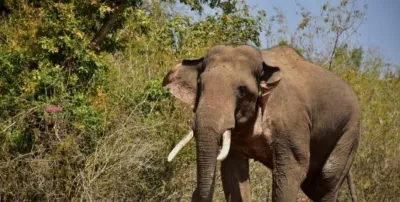
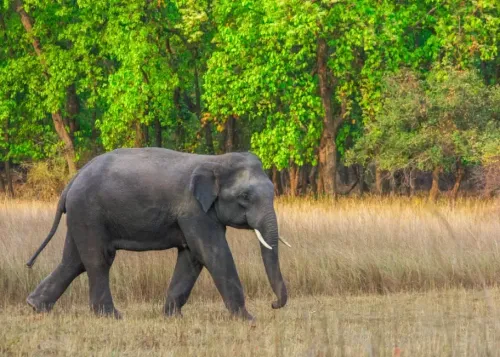
Kerala's third wildlife conflict death this week: Elephant kills 65-year-old in Thrissur
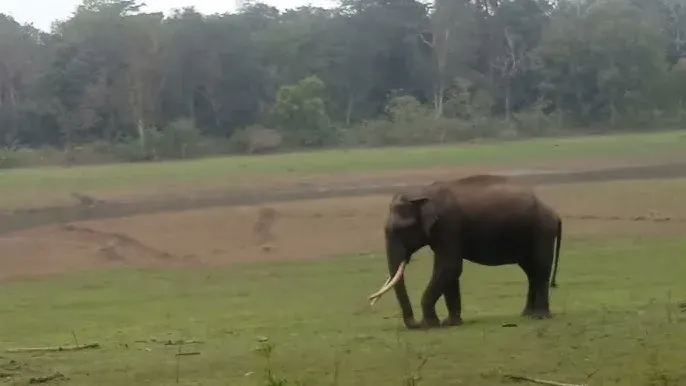
Synopsis
Three human deaths in one week from wildlife conflict is no longer a statistic Kerala can absorb quietly. The killing of 65-year-old Mohanan by a wild elephant at Athirappilly — in the dead of night, steps from his own home — exposes how badly protective infrastructure along Kerala's forest fringes has deteriorated, and how far government assurances have fallen short of action.
Key Takeaways
Mohanan , 65 , was killed by a wild elephant near his home in Athirappilly, Thrissur at around 2.45 a.m. on 30 May 2025 .
This is the third human fatality from man-animal conflict in Kerala within a single week.
Residents accuse authorities of allowing solar fences and elephant-proof trenches to fall into disrepair , enabling easy elephant access to settlements.
Forest Minister Shibhu Baby John acknowledged state responsibility but announced no specific new protective measures.
Repeated incursions along the Athirappilly-Vazhachal forest belt have also caused extensive crop losses and property damage to farming communities.
A 65-year-old man was killed by a wild elephant in the early hours of Saturday, 30 May at Athirappilly in Thrissur district, marking the third human fatality linked to man-animal conflict in Kerala within a single week. The death has sharply intensified pressure on the state government and the Forest Department to act on a crisis that has been building for years along Kerala's forest fringes.
How the Attack Unfolded
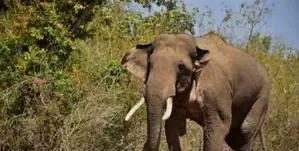
Mohanan, a resident of Pullerkattu house at Vaishery in Athirappilly, was woken around 2.45 a.m. by unusual sounds near his home. According to local residents, a wild elephant had strayed close to the settlement. Mohanan stepped outside to check whether the animal had entered the inhabited area — a response common among people living near forest boundaries, where such incursions are routine.
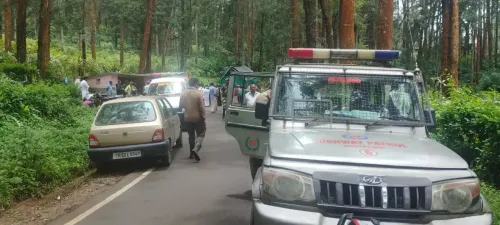
In the darkness, he reportedly came face-to-face with the elephant, which attacked him. He was rushed to a private hospital in Chalakudy, but succumbed to his injuries shortly after admission.
A Community Living in Fear
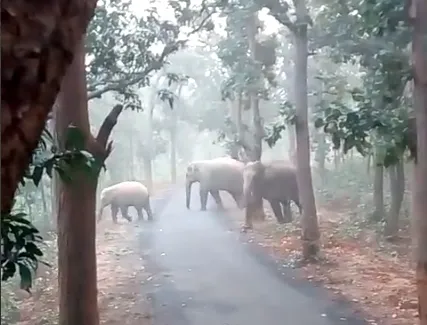
The tragedy has laid bare the persistent vulnerability of communities along the Athirappilly-Vazhachal forest belt, where elephant incursions into farms and residential areas have grown increasingly frequent. Residents say fear has become a constant companion after nightfall, with many reluctant to venture outside their homes once darkness falls.
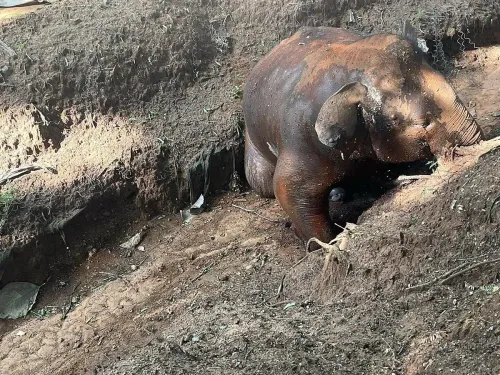
Mohanan's death triggered widespread anger in the locality. Residents accused authorities of neglecting protective infrastructure — solar fences and elephant-proof trenches that have reportedly fallen into disrepair, giving wild elephants relatively easy access to populated zones.
What the Government Said
Kerala Forest Minister Shibhu Baby John acknowledged the gravity of the situation, stating that any loss of human life in such circumstances was the responsibility of the state Forest Department. He assured that the department would take all necessary steps in response to the incident and extend support to the affected family. However, no specific new measures were announced.
A Pattern of Rising Conflict
This is the third confirmed death from human-wildlife conflict in Kerala in the space of a single week — a frequency that wildlife experts and local communities say reflects a systemic failure rather than isolated incidents. Beyond fatalities, repeated elephant incursions have caused extensive crop losses and property damage, eroding the livelihoods of farming communities across the state's high-range districts.
Notably, the Athirappilly region has long been identified as a flashpoint for elephant-human conflict, given its position at the edge of one of Kerala's most ecologically active forest corridors. Critics argue that repeated government assurances have not translated into adequately maintained deterrents on the ground.
What Needs to Happen Next
With three deaths in a week, calls are mounting for a comprehensive, long-term strategy — one that goes beyond reactive responses to individual incidents. Conservationists and residents alike are demanding urgent restoration of solar fences and trenches, faster early-warning systems, and a credible plan to manage elephant movement along Kerala's increasingly contested forest edges. The government's next steps will be closely watched.
Point of View
Not a wildlife anomaly. Kerala has known for years that the Athirappilly-Vazhachal corridor is a high-conflict zone, and the answer from authorities has consistently been assurances rather than infrastructure. Solar fences and elephant-proof trenches in disrepair are not an act of nature — they are the result of chronic underfunding and administrative neglect. Forest Minister Shibhu Baby John's acknowledgement of departmental responsibility is accurate but insufficient; what is missing is a measurable commitment to restore deterrents before the next death, not after it. The pattern — incursion, fatality, ministerial statement, no structural change — has repeated too many times to be treated as coincidence.
NationPress
15 Oct 2026
Frequently Asked Questions
Who was killed in the Athirappilly elephant attack on 30 May?
The victim was Mohanan, a 65-year-old resident of Pullerkattu house at Vaishery in Athirappilly, Thrissur district. He stepped outside his home at around 2.45 a.m. after hearing unusual sounds and was attacked by a wild elephant that had strayed close to the settlement.
How many people have died in Kerala's man-animal conflict this week?
Three people have died from human-wildlife conflict in Kerala within a single week as of 30 May 2025. Mohanan's death at Athirappilly is the third such fatality, marking a sharp escalation that has intensified demands for government action.
Why are elephant attacks increasing in Athirappilly?
The Athirappilly-Vazhachal forest belt is a high-activity elephant corridor where incursions into farms and residential areas have grown more frequent. Residents and critics attribute the rising attacks partly to protective infrastructure — solar fences and elephant-proof trenches — that has reportedly fallen into disrepair, reducing effective barriers between wildlife and human settlements.
What has the Kerala government said about the latest death?
Forest Minister Shibhu Baby John acknowledged that any loss of human life in such incidents is the responsibility of the state Forest Department. He assured that the department would take all necessary steps and support the affected family, but did not announce specific new measures at the time of the statement.
What are residents and experts demanding after these deaths?
Communities along Kerala's forest fringes are calling for urgent restoration of solar fences and elephant-proof trenches, faster early-warning systems, and a comprehensive long-term strategy to manage elephant movement. Critics argue that repeated reactive responses to individual incidents have failed to address the systemic causes of rising man-animal conflict.