Dargah Riot Cases: Speaker Khader's Letter Sparks Karnataka Row
Synopsis
Karnataka Assembly Speaker U.T. Khader's letter urging Home Minister G. Parameshwara to withdraw riot cases against Muslim youth from the 2022 Ladle Mashak Dargah violence has ignited a fresh political firestorm. Hindu organisations warn of mass protests, while critics question whether a sitting Speaker should intervene in active criminal proceedings — testing Karnataka's communal fault lines.
Key Takeaways
Assembly Speaker U.T.
Khader wrote to Home Minister G.
Parameshwara seeking withdrawal of cases against Muslim youth in the 2022 Ladle Mashak Dargah violence in Aland, Kalaburagi district .
The 2022 violence involved stone-pelting against a Union Minister , Deputy Commissioner , Superintendent of Police , and Hindu leaders, with hundreds of FIRs registered by Aland Police .
Hindu organisations including Shiv Sena have condemned the letter and warned of large-scale protests if cases are withdrawn.
The Ladle Mashak Dargah is a 14th-century Sufi shrine historically celebrated for Hindu-Muslim communal harmony , referenced by Russian traveler Afanasy Nikitin in the 15th century .
Legal experts note that case withdrawal requires court consent under Section 321 CrPC and must satisfy the public interest standard — a high bar given the gravity of the violence.
The controversy threatens to deepen communal and political tensions in Karnataka ahead of future electoral cycles, with the BJP expected to escalate the issue in the legislature.
Bengaluru, April 25: A major political controversy has gripped Karnataka after Assembly Speaker U.T. Khader wrote to Home Minister G. Parameshwara requesting a review and possible withdrawal of cases filed against alleged "innocent Muslim youth" in connection with the 2022 Ladle Mashak Dargah violence in Aland town, Kalaburagi district. The letter has reignited communal tensions and drawn fierce opposition from Hindu organisations across the state. The move is being seen as one of the most politically sensitive interventions by a sitting Speaker in recent Karnataka history.
Background: The 2022 Ladle Mashak Dargah Violence
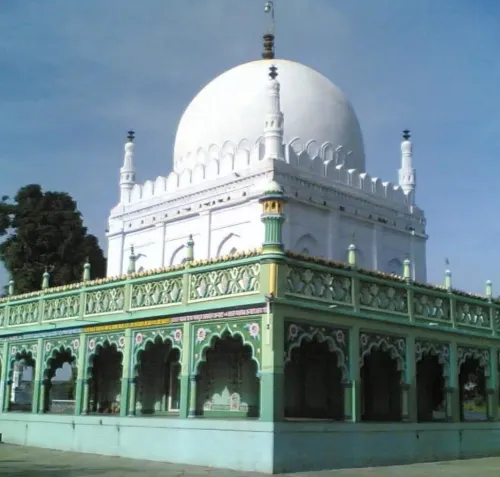
The Ladle Mashak Dargah, located in Aland, Kalaburagi district, is a 14th-century Sufi shrine dedicated to Hazrat Sheikh Alauddin Ansari, popularly known as Ladle Mashaikh. The shrine holds deep historical significance as a centre of blended Hindu-Muslim culture, traditionally hosting both Sufi Urs celebrations and Hindu rituals dedicated to the Raghava Chaitanya Shivling, which is located inside the complex.
Tensions erupted in 2022 after allegations emerged that the Shivalinga inside the dargah premises was desecrated by miscreants. Members of Hindu organisations visited the site to perform purification rituals, and the situation rapidly deteriorated into large-scale violence.
The violence included stone-pelting against vehicles and individuals, with targets including a Union Minister, the Deputy Commissioner, the Superintendent of Police, and leaders of Hindu organisations. Several people sustained injuries in the incident. Following the unrest, Aland Police registered cases against hundreds of individuals, including a key accused identified as Ansari.
Speaker Khader's Controversial Letter
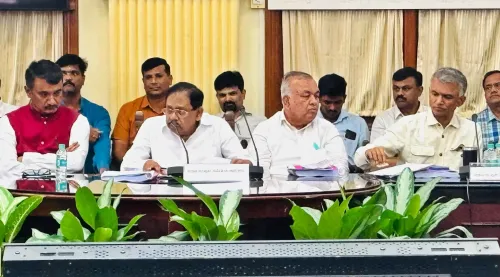
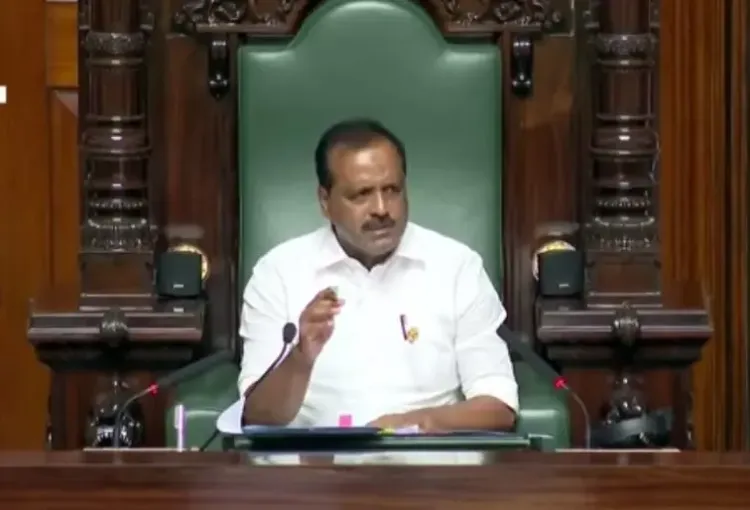
Speaker U.T. Khader, in his letter to Home Minister G. Parameshwara, contended that several innocent Muslim youths were falsely implicated in the cases and urged the state government to drop charges against them. The letter calls for a thorough review of the cases with the aim of providing relief to those he believes were wrongly named.
This is a significant and unusual step — sitting Speakers rarely write to the executive branch seeking withdrawal of criminal cases, raising questions about the separation of constitutional roles and political motivations. Critics argue that the intervention by the Speaker — a constitutional authority — in an active criminal matter sets a troubling precedent for judicial independence in Karnataka.
Notably, the Congress-led Karnataka government has previously faced accusations from opposition parties of selectively withdrawing cases against individuals from specific communities, a charge the government has consistently denied.
Hindu Organisations Push Back Strongly
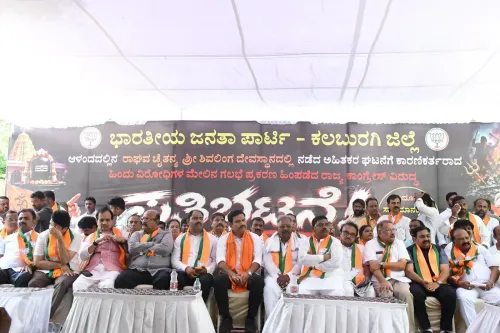
The letter has triggered a sharp reaction from Hindu organisations, including Shiv Sena, which have strongly condemned Khader's request. These groups have warned the government that any move to withdraw cases will be met with large-scale protests across Karnataka.
Hindu groups argue that the 2022 Dargah violence involved serious criminal acts — including attacks on government officials and a Union Minister — and that dropping charges would amount to a miscarriage of justice. They have demanded that the government adhere strictly to the rule of law and ensure a fair investigation without political interference.
The groups have also alleged that such a move could send a dangerous message that violence can be shielded through political patronage, potentially emboldening future incidents of communal unrest in the state.
Historical Significance of the Ladle Mashak Dargah
The Ladle Mashak Dargah is not merely a local religious site — it carries extraordinary historical weight. The 15th-century Russian traveler Afanasy Nikitin referenced the shrine in his travel accounts as a major trading hub and pilgrimage site, describing it as "the best fair in India" where horses and various goods were traded.
For centuries, the shrine served as a living symbol of India's syncretic cultural heritage, where both Muslims and Hindus offered prayers side by side. The current controversy, therefore, carries a deeper irony — a site historically celebrated for promoting communal harmony has now become a flashpoint for communal discord.
Political and Communal Implications
The timing of Speaker Khader's letter is politically significant. With Karnataka already navigating a complex political landscape ahead of future electoral cycles, any perception of selective justice along communal lines could have far-reaching consequences for the ruling Congress government.
The BJP and other opposition parties are expected to amplify this issue in the state legislature and on the campaign trail. The incident also feeds into a broader national narrative around the withdrawal of riot cases — a practice that has drawn scrutiny in multiple states, including Uttar Pradesh and Maharashtra, where governments have faced legal challenges over selective case withdrawals.
Legal experts point out that the withdrawal of criminal cases in India requires the consent of the court under Section 321 of the Code of Criminal Procedure (CrPC), and public prosecutors must satisfy the court that withdrawal is in the public interest — a bar that may prove difficult to clear given the gravity of the 2022 violence.
As the controversy deepens, all eyes will be on Home Minister G. Parameshwara's response to the Speaker's letter and whether the Karnataka government will proceed with any formal review of the cases — a decision that could define the political and communal climate in the state for months to come.
Point of View
The cases involve attacks on a Union Minister and senior government officials, making any withdrawal politically explosive and legally contentious. This episode exposes a recurring pattern in Indian politics where riot cases become bargaining chips, and a shrine that once embodied India's syncretic soul now mirrors its deepening fault lines. The Karnataka government must choose between political expediency and institutional integrity — and that choice will define its legacy.
NationPress
19 Sept 2026
Frequently Asked Questions
Why did Karnataka Assembly Speaker U.T. Khader write to the Home Minister about the Dargah riot cases?
Speaker U.T. Khader wrote to Home Minister G. Parameshwara seeking a review and withdrawal of cases filed against what he described as innocent Muslim youth falsely implicated in the 2022 Ladle Mashak Dargah violence in Aland, Kalaburagi. He contended that several individuals were wrongly named in the FIRs registered after the violence.
What happened during the 2022 Ladle Mashak Dargah violence in Karnataka?
In 2022, tensions erupted at the Ladle Mashak Dargah in Aland, Kalaburagi district, after allegations of desecration of a Shivalinga located inside the shrine complex. Large-scale violence broke out, including stone-pelting targeting a Union Minister, the Deputy Commissioner, the Superintendent of Police, and Hindu organisation leaders, resulting in multiple injuries and hundreds of police cases.
What is the historical significance of the Ladle Mashak Dargah?
The Ladle Mashak Dargah is a 14th-century Sufi shrine in Aland, Kalaburagi, dedicated to Hazrat Sheikh Alauddin Ansari. It was historically a symbol of Hindu-Muslim syncretic culture, hosting both Sufi Urs and Hindu rituals, and was mentioned by 15th-century Russian traveler Afanasy Nikitin as the best fair in India.
How have Hindu organisations responded to Speaker Khader's letter?
Hindu organisations, including Shiv Sena, have strongly condemned Speaker Khader's request and warned the Karnataka government against withdrawing the riot cases. They have threatened large-scale protests, arguing that the 2022 violence was serious and that dropping charges would undermine justice and set a dangerous precedent.
Can the Karnataka government legally withdraw the Dargah riot cases?
Under Section 321 of the Code of Criminal Procedure (CrPC), the withdrawal of criminal cases requires the consent of the court, and the public prosecutor must demonstrate that withdrawal is in the public interest. Given the severity of the 2022 violence — which targeted government officials — legal experts suggest meeting this threshold would be difficult.