CM Pema Khandu visits Sakya Centre, flags Tawang branch
Synopsis
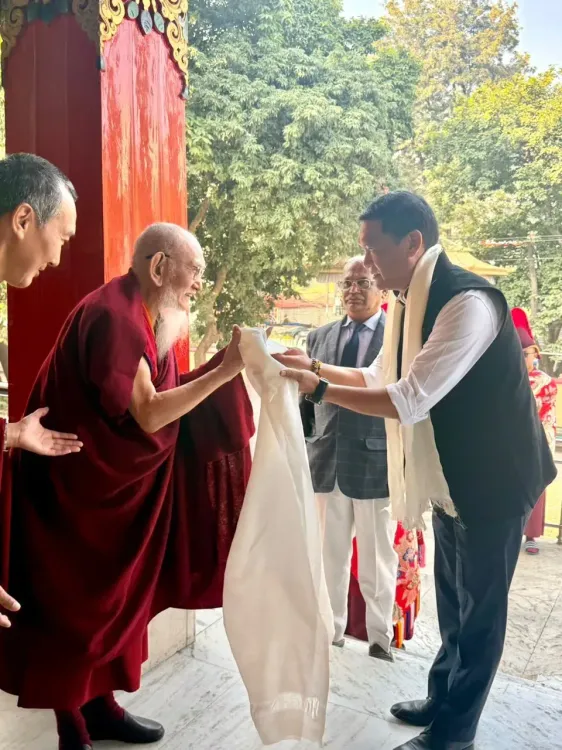
Arunachal Pradesh Chief Minister Pema Khandu visited the Sakya Centre Buddhist Monastery in Dehradun and said a branch will soon be established in Lungla, Tawang, to enrich the region's Buddhist heritage.
Key Takeaways
Arunachal Pradesh Chief Minister Pema Khandu visited the Sakya Centre Buddhist Monastery in Dehradun on 27 November 2026 .
He held a meaningful interaction with senior monks of the Sakya tradition of Tibetan Buddhism.
Khandu said a branch of the Sakya Centre will soon be established in the Lungla area of Tawang district.
He said the branch would enrich the region's spiritual and cultural heritage and help people deepen their understanding of Buddhist philosophy and practice.
Tawang already hosts historic monasteries, including the 17th-century Tawang Monastery, with state support for monastic institutions dating to 1987 .
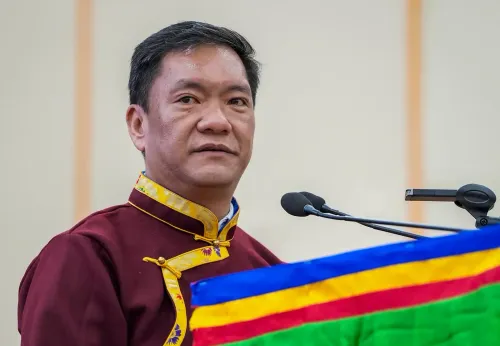
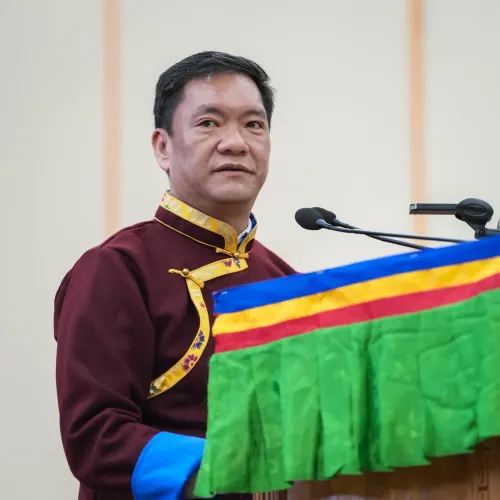
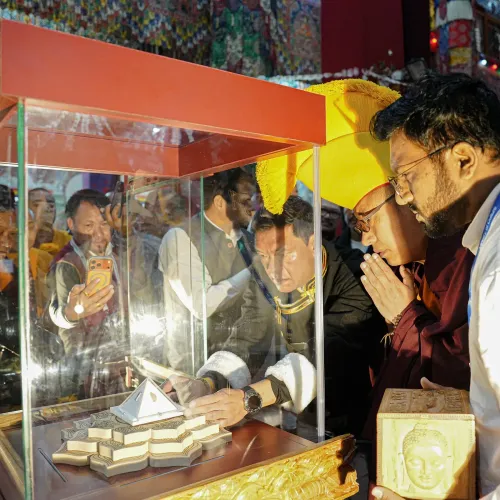
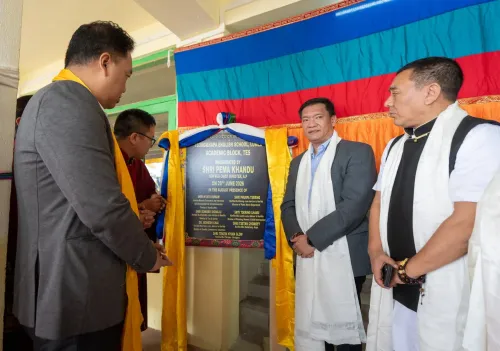
The courtyards of Dehradun's Sakya Centre Buddhist Monastery carried a Himalayan conversation on Friday, 27 November 2026, as Arunachal Pradesh Chief Minister Pema Khandu sat with senior monks of the Sakya tradition of Tibetan Buddhism. He left with a pledge aimed at his own hills: a branch of the centre, he said, will soon be established in the Lungla area of Tawang district.
Khandu called the Dehradun monastery one of the prominent centres of the Sakya tradition, playing a significant role in preserving and propagating the profound teachings of Lord Buddha. He said he was particularly delighted that a branch would come up in Lungla, adding that it would further enrich the spiritual and cultural heritage of the region and give people an avenue to deepen their understanding of Buddhist philosophy and practice.
Lungla joins Tawang's monastic map
Tawang already holds some of India's most storied Buddhist institutions, among them the 17th-century Tawang Monastery. Since Arunachal Pradesh attained statehood in 1987, successive governments have backed monastic networks in this border district as living cultural infrastructure.
A Sakya Centre branch in Lungla would plant another lineage — the Sakya school — in a landscape long shaped by Himalayan Buddhist practice. Khandu framed the project as access: a place closer to home for study and practice, not a distant pilgrimage alone.
The Sakya Centre's Dehradun seat
The Sakya Centre in Dehradun is regarded as a key seat for preserving Sakya teachings in India. Khandu's interaction with senior monks fits a longer pattern in which Arunachal administrations have facilitated monk visits and the expansion of monastic networks to sustain religious life in frontier districts.
The state's Buddhist heritage is one of the cultural markers it has consistently emphasised. Those same hills sit on India's eastern Himalayan rim, where monasteries double as centres of learning, memory, and community.
What a Lungla branch would change on the ground
Monks and Tawang residents are the immediate stakeholders. A working branch would add teaching space and a Sakya footprint beside older institutions already woven into daily life in the district.
Lungla is now on the monastic map. The next test is whether the Sakya branch opens as a working house of teaching — not only a promise spoken in Dehradun.
Point of View
Especially in Tawang, rather than as ceremonial backdrops. Since statehood in 1987, successive administrations have backed monastic networks along a sensitive frontier where faith, identity, and geography overlap. Planting a Sakya Centre branch in Lungla extends that bet beyond the better-known Tawang Monastery and into another lineage of Tibetan Buddhism. Delivery will be the measure — whether Lungla becomes a working house of teaching for local residents, not only a line in a visit note.
NationPress
27 Nov 2026
Frequently Asked Questions
What did Pema Khandu announce after visiting the Sakya Centre in Dehradun?
He said a branch of the Sakya Centre will soon be established in the Lungla area of Tawang district. The Arunachal Pradesh chief minister added that the project would enrich the region's spiritual and cultural heritage and help people deepen their understanding of Buddhist philosophy and practice.
Where is the Sakya Centre Buddhist Monastery located?
The Sakya Centre Buddhist Monastery is in Dehradun. It is regarded as a prominent centre of the Sakya tradition of Tibetan Buddhism and is known for preserving and propagating the teachings of Lord Buddha.
Why is Tawang important for Buddhist heritage in Arunachal Pradesh?
Tawang district is home to historic Tibetan Buddhist monasteries, including the 17th-century Tawang Monastery. Successive Arunachal governments have supported monastic institutions there since statehood in 1987 as part of cultural preservation in a Himalayan border district.
What is the Sakya tradition mentioned in Khandu's visit?
The Sakya tradition is a school of Tibetan Buddhism. Khandu described the Dehradun Sakya Centre as one of its prominent seats for preserving and spreading the teachings of Lord Buddha, and said a branch would be set up in Tawang's Lungla area.