Khattar Holds Jan Samvad at Picholia Village in Assandh
Synopsis
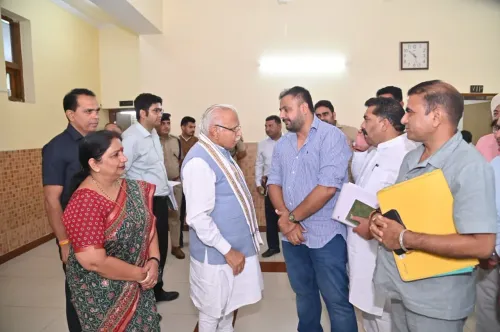
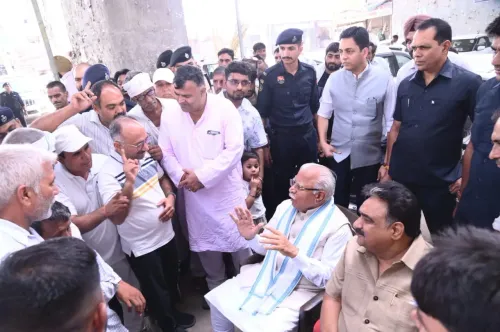
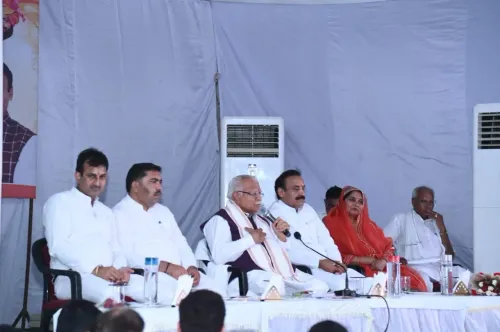
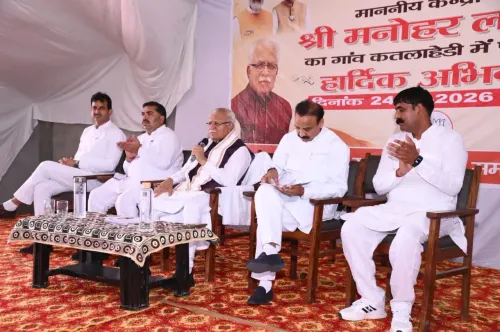
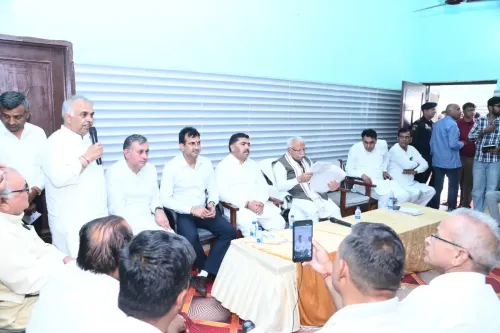
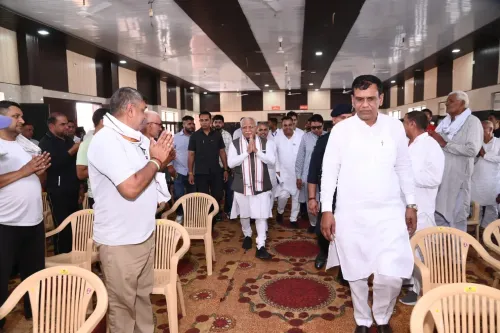
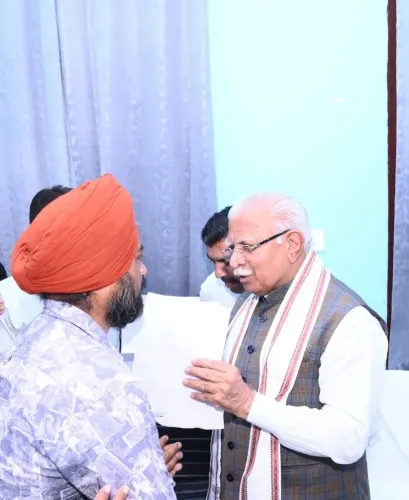
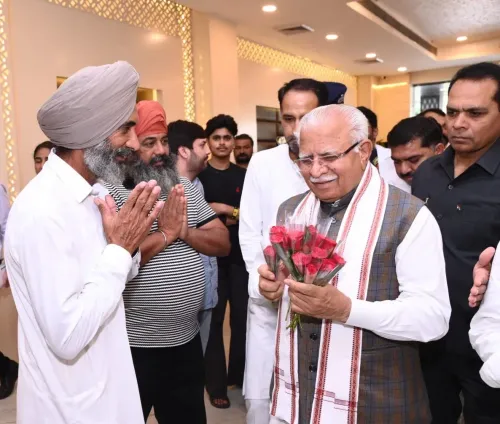
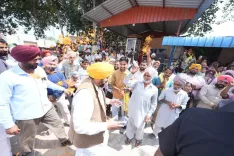
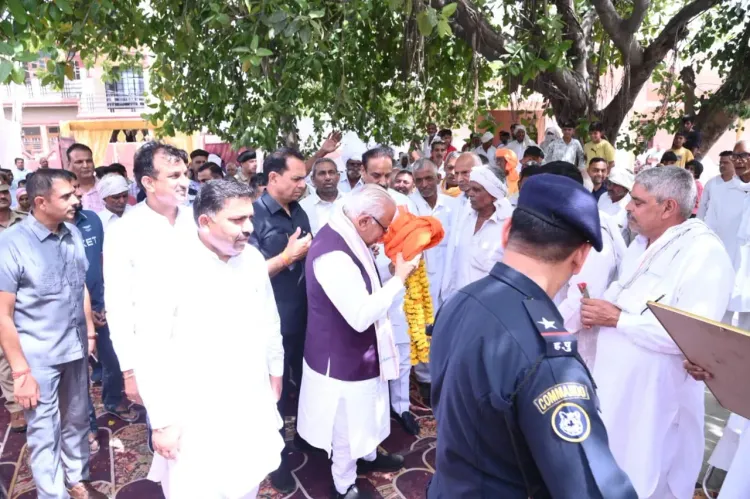
Union Power Minister Manohar Lal Khattar held a Jan Samvad-style interaction with families at Picholia village in Assandh, Haryana, on 25 May 2026. He discussed local grievances, issued directives for resolution, and reaffirmed his commitment to regional development and public welfare.
Key Takeaways
Union Power Minister Manohar Lal Khattar met residents of Picholia village , Assandh , Karnal district , on 25 May 2026 .
The meeting followed his established Jan Samvad model of direct public dialogue and grievance redressal, practised since his tenure as Haryana CM from 2014 to 2024 .
Detailed discussions were held on local public problems and necessary directives were issued for their resolution.
Khattar reaffirmed his resolve to work continuously for the progress and welfare of the Assandh constituency.
As Union Minister for Power and Housing and Urban Affairs , his constituency interactions may feed into implementation of central rural and urban schemes.
Union Power Minister Manohar Lal Khattar on Sunday, 25 May 2026, held a grassroots outreach meeting with residents of Picholia village in the Assandh constituency of Karnal district, Haryana, engaging directly with local families on public grievances and development priorities.
Posting on X, Khattar wrote: 'विकास की वास्तविक दिशा जनसंवाद और जनसहभागिता से ही निर्धारित होती है' ['The true direction of development is determined only through public dialogue and public participation']. He noted that detailed discussions were held on local problems and that necessary directives were issued for their resolution.
Context
The interaction at Picholia village is part of Khattar's long-standing practice of direct constituency engagement in Assandh, the assembly segment he represents. Even after his elevation to the Union Cabinet, he has continued holding such village-level meetings — a pattern he established during his decade as Chief Minister of Haryana from 2014 to 2024.
In his post, Khattar reaffirmed his commitment, stating: 'क्षेत्र की उन्नति एवं जनकल्याण के लिए निरंतर कार्यरत रहने का मेरा संकल्प दृढ़ है' ['My resolve to remain continuously engaged for the progress of the region and public welfare is firm']. He also thanked residents for their trust and cooperation.
Policy Backdrop
As Haryana Chief Minister, Khattar institutionalised regular Jan Samvad-style village meetings as a structured grievance-redressal mechanism, making direct rural outreach a hallmark of his governance approach. The BJP's broader national emphasis on public participation in governance — articulated since 2014 — underpins this model of constituency engagement.
As Union Minister holding the Power and Housing and Urban Affairs portfolios, Khattar's constituency interactions carry added significance: local complaints often connect to the implementation of central schemes in rural electrification, affordable housing, and urban infrastructure.
Stakeholders and Impact
Residents of Picholia and surrounding villages in Assandh are the immediate stakeholders, with the meeting providing a direct channel to raise concerns with a sitting Union Minister who also holds the local MLA mandate. Rural communities across Karnal district stand to benefit if the directives issued translate into accelerated scheme implementation.
The interaction reinforces the dual role Khattar occupies — national policymaker and local representative — and signals that constituency-level accountability remains a priority even as he manages two significant Union ministries.
What's Next
Follow-up action on the grievances discussed at Picholia will be the key measure of the meeting's impact. Potential linkages to ongoing rural electrification drives or housing projects under the Ministry of Power and the Ministry of Housing and Urban Affairs could translate village-level feedback into policy-level responses. Khattar's continued outreach in Assandh is expected to remain a regular feature of his public calendar.
Point of View
And sustaining it post-elevation signals that he is positioning himself as both a national policymaker and an accessible local leader. For the BJP, such visible constituency work reinforces the party's public-participation narrative ahead of future electoral cycles in Haryana. The real test, however, lies in whether the directives issued translate into measurable improvements in local services linked to his own ministries.
NationPress
20 Sept 2026
Frequently Asked Questions
What did Manohar Lal Khattar do at Picholia village in Assandh?
Khattar held a public interaction with residents of Picholia village in Assandh, Karnal district, on 25 May 2026, discussing local grievances and issuing directives for their resolution.
What is Jan Samvad and why is it associated with Khattar?
Jan Samvad refers to direct public dialogue meetings between a leader and citizens. Khattar institutionalised this format during his tenure as Haryana Chief Minister from 2014 to 2024 as a structured grievance-redressal mechanism.
Which constituency does Manohar Lal Khattar represent?
Khattar represents the Assandh assembly constituency in Karnal district, Haryana, where he has maintained regular grassroots engagement.
What are Manohar Lal Khattar's current portfolios as Union Minister?
Khattar currently serves as Union Minister of Power and Housing and Urban Affairs in the central government.
How does Khattar's village outreach connect to his Union Ministry responsibilities?
Local grievances raised at such meetings can link to central schemes under his ministries, including rural electrification and affordable housing programmes, potentially accelerating their implementation in the constituency.