Khattar pays tribute to Kakori Train Action martyrs
Synopsis
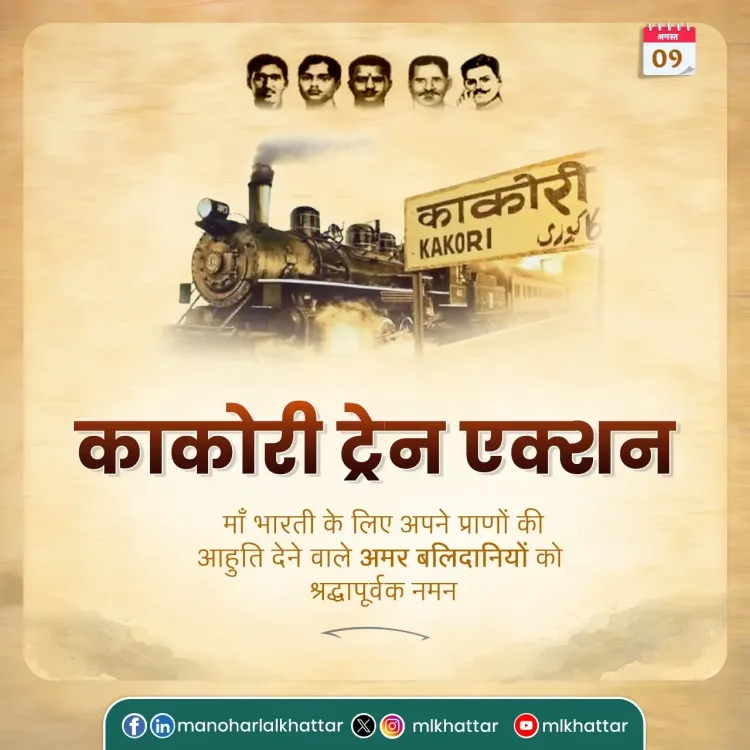
Union Power Minister Manohar Lal Khattar marked the anniversary of the 1925 Kakori Train Action with a Hindi tribute to the revolutionaries of the Hindustan Republican Association, honouring their sacrifice and calling their legacy an enduring source of national pride.
Key Takeaways
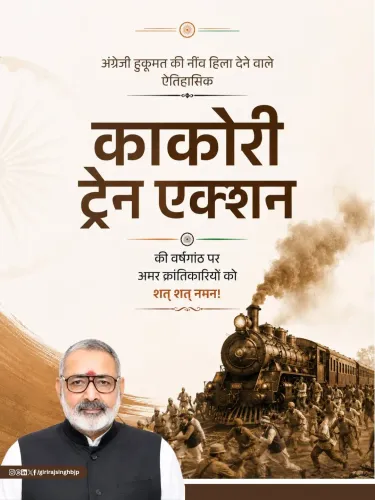
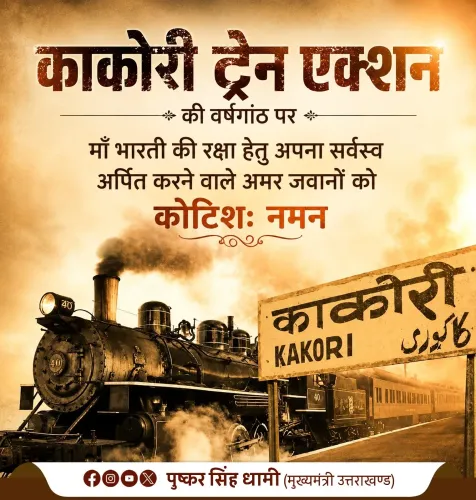
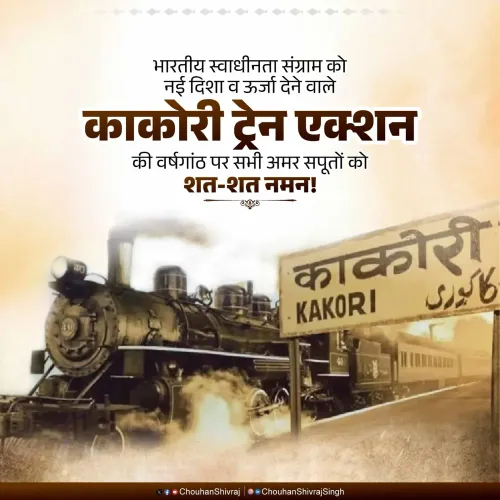
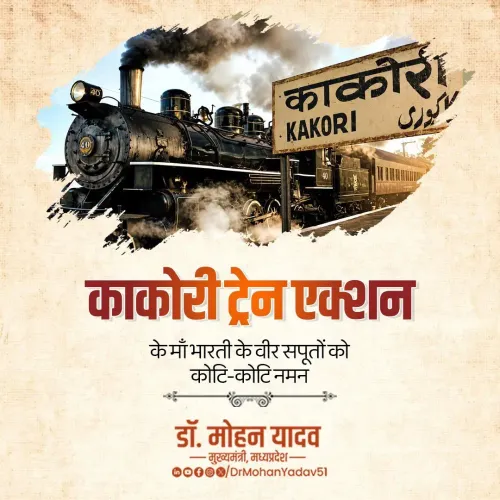
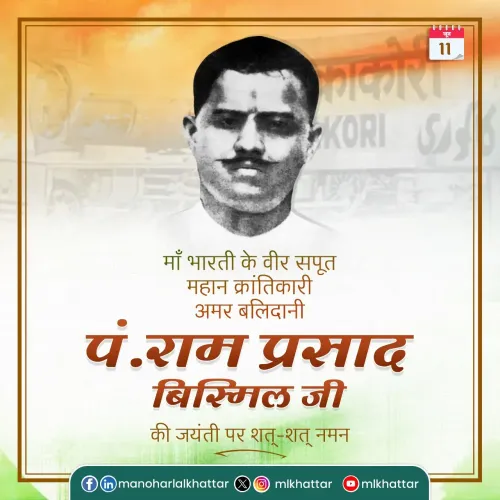
Union Power Minister Manohar Lal Khattar posted a Hindi tribute on 9 August marking the anniversary of the Kakori Train Action .
The Kakori Train Action took place on 9 August 1925 , when members of the Hindustan Republican Association seized a British treasury train near Kakori, Uttar Pradesh.
Key leaders of the action — Ram Prasad Bismil and Ashfaqulla Khan — were executed by the British in 1927 .
Khattar described the event as proof of the 'indomitable resolve and willpower' of India's freedom fighters.
Such tributes are part of a recurring pattern of political commemorations as Independence Day on 15 August approaches each year.
On the anniversary of one of India's most audacious acts of armed resistance, Union Power Minister Manohar Lal Khattar on Sunday, 9 August bowed in remembrance to the revolutionaries who staked everything against the British Empire — and paid with their lives.
Posting in Hindi, Khattar offered what he called a 'humble tribute at the feet of all immortal sons who sacrificed everything in the service of Mother India' on the anniversary of the Kakori Train Action. He wrote that the historic event had introduced the British rulers to the 'indomitable resolve and willpower' of India's freedom fighters, and that the 'glorious saga of those who gave their lives for the motherland will forever fill future generations with pride.'
What happened at Kakori on 9 August 1925
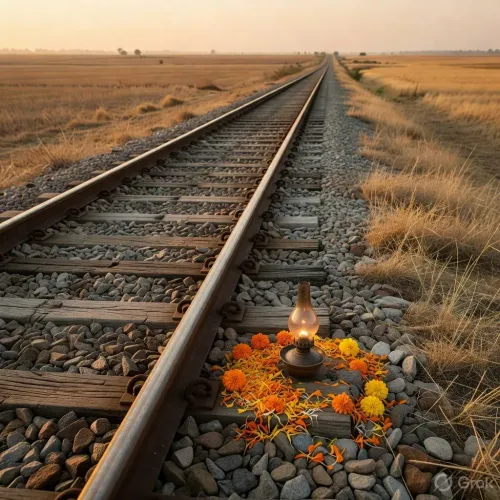
On 9 August 1925, a small band of revolutionaries belonging to the Hindustan Republican Association (HRA) stopped a British treasury train near Kakori, in present-day Uttar Pradesh, and seized government funds to finance the anti-colonial armed struggle. The action was meticulously planned and deliberately symbolic — a direct challenge to imperial authority at a moment when the independence movement was still finding its footing.
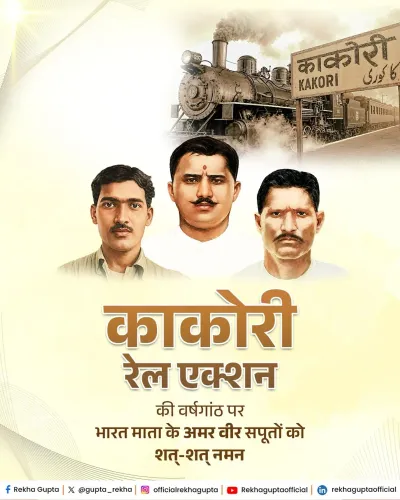
The British response was swift and severe. Scores of young men were arrested. Ram Prasad Bismil, the poet-revolutionary who led the operation, was hanged in 1927. So was Ashfaqulla Khan, whose friendship with Bismil across communal lines became one of the independence movement's most enduring symbols of unity. Their executions, far from extinguishing resistance, cemented the Kakori conspirators as icons of the revolutionary stream of Indian nationalism.
Why the armed stream still gets commemorated
India's freedom movement is often remembered primarily through the lens of Gandhian non-violence. But the Hindustan Republican Association and the Kakori action represent a parallel tradition — one rooted in the conviction that armed resistance was a legitimate and necessary response to colonial rule. Political leaders across the spectrum periodically mark this anniversary to signal recognition of that tradition, particularly as 15 August Independence Day approaches each year.
For the generation that carried out the Kakori action, the stakes could not have been higher. They were young men — many still in their twenties — who chose confrontation knowing the consequences. That wager, and its cost, is what Khattar's tribute places at the centre of public memory today.
Point of View
Armed stream of India's independence movement — one that BJP leaders have increasingly foregrounded alongside Gandhian non-violence. By invoking the 'indomitable resolve' of the Kakori conspirators, the post subtly frames sacrifice and decisive action as core national values. Commemorations like this intensify in the run-up to 15 August, serving both as genuine acts of remembrance and as signals of ideological lineage. The cross-communal symbolism of Bismil and Ashfaqulla Khan — a Hindu and a Muslim who died together for a shared cause — also carries quiet contemporary resonance.
NationPress
9 Aug 2026
Frequently Asked Questions
What was the Kakori Train Action?
The Kakori Train Action was an armed robbery of a British treasury train carried out on 9 August 1925 by members of the Hindustan Republican Association near Kakori in present-day Uttar Pradesh, aimed at funding the anti-colonial armed struggle.
Who were the main leaders of the Kakori conspiracy?
Ram Prasad Bismil , a poet and revolutionary, led the operation. Ashfaqulla Khan was another key participant. Both were arrested, tried, and executed by the British in 1927 .
What is the Hindustan Republican Association?
The Hindustan Republican Association (HRA) was a revolutionary organisation founded in 1924 that believed in armed resistance against British rule and organised the Kakori Train Action among other activities.
Why did Manohar Lal Khattar post a tribute to the Kakori martyrs?
Union Power Minister Manohar Lal Khattar posted the tribute to mark the anniversary of the Kakori Train Action on 9 August , honouring the revolutionaries who sacrificed their lives fighting British colonial rule.
What is the significance of 9 August in Indian history?
9 August marks two significant events: the anniversary of the Kakori Train Action of 1925 and the launch of the Quit India Movement in 1942 , making it one of the most symbolically charged dates in India's independence calendar.