Khattar Meets Karnataka CM on Bengaluru Metro, Urban Fund
Synopsis
Union Minister Manohar Lal Khattar met Karnataka Chief Minister D.K. Shivakumar on June 10, 2026, reviewing Bengaluru Metro expansion, Urban Challenge Fund proposals, and integrated transport solutions to tackle Bengaluru's traffic congestion. Khattar assured full central support for timely project implementation.
Key Takeaways
Union Minister Manohar Lal Khattar held a meeting with Karnataka CM D.K.
Shivakumar on June 10, 2026 .
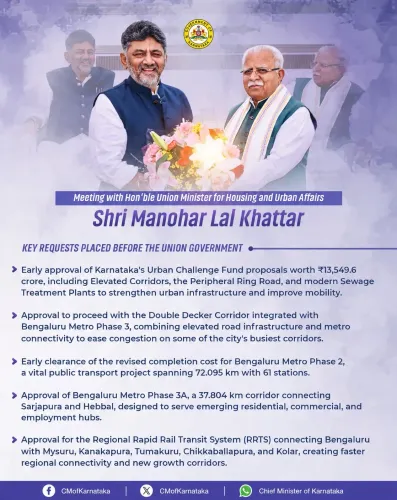
Discussions covered proposals under the Urban Challenge Fund , Bengaluru Metro expansion, and integrated transport solutions.
Khattar assured 'full support' for timely implementation of urban mobility projects in Karnataka .
The Bengaluru Metro has been expanding in phased corridors since 2011 , with multiple central funding tranches over the past decade.
The meeting reflects the Centre's broader push under frameworks like AMRUT and the Smart Cities Mission to address urban mobility deficits.
Formal central approvals and fund releases for Karnataka's urban proposals are the key next steps to watch.
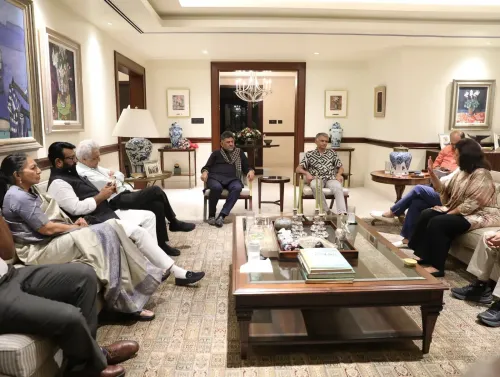
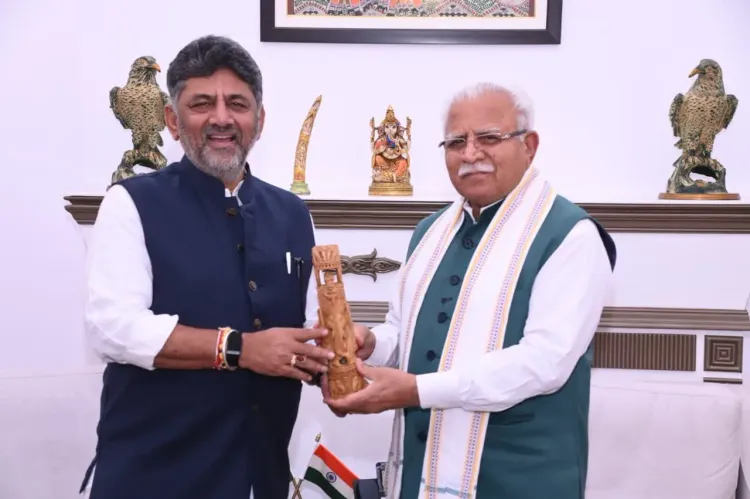
Union Minister of Housing and Urban Affairs Manohar Lal Khattar met Karnataka Chief Minister D.K. Shivakumar on Wednesday, June 10, 2026, for a wide-ranging review of urban development and mobility projects across the southern state. The meeting covered proposals under the Urban Challenge Fund, the expansion of the Bengaluru Metro, and integrated transport solutions to ease the city's chronic traffic congestion.
Context
Khattar described the meeting as 'cordial' and said he 'assured full support for the timely implementation of projects aimed at improving urban mobility and enhancing the ease of living for citizens.' The discussions signal active central engagement with Karnataka's urban infrastructure pipeline at a time when Bengaluru — India's technology and startup capital — faces some of the most acute congestion pressures among Indian metros.
The meeting between a senior BJP Union Minister and a Congress Chief Minister underlines that urban infrastructure funding and coordination operate across party lines, driven by the scale and urgency of city-level mobility challenges.
Policy Backdrop
The Urban Challenge Fund is a central government instrument designed to finance transformative urban projects that states propose under competitive or needs-based frameworks. It sits alongside longer-running programmes such as the AMRUT scheme — launched in 2015 to fund water, sewerage, and mobility infrastructure — and the Smart Cities Mission, which included Bengaluru among its initial 100 cities.
The Bengaluru Metro, operated by the Bangalore Metro Rail Corporation Limited (BMRCL), has expanded in phased corridors since its first line opened in 2011. Multiple corridor extensions have received central approvals and funding tranches over the past decade, with the network now stretching across key parts of the city and further phases under planning or construction.
Integrated transport solutions — combining metro connectivity with bus rapid transit, last-mile links, and traffic management — have been a recurring theme in central urban policy as cities seek to reduce dependence on private vehicles.
Stakeholders and Impact
Bengaluru's estimated population of over 1.3 crore residents, including a large working population in the IT corridor stretching from Whitefield to Electronic City, stands to benefit most directly from improved metro coverage and congestion relief. Urban bodies including the Bruhat Bengaluru Mahanagara Palike (BBMP) and the BMRCL are the primary implementing agencies on the ground.
For the Karnataka government, securing central funds and approvals is critical to advancing projects that require joint financing. The state has consistently flagged Bengaluru's infrastructure deficit as a constraint on its economic competitiveness.
What's Next
The immediate watch-point is whether the June 10 meeting translates into formal central approvals or fund releases for Karnataka's urban project proposals in upcoming budget cycles or administrative reviews. Khattar's assurance of 'full support' sets a political tone, but concrete disbursements and project clearances will determine the on-ground impact for Bengaluru commuters.
Central-state coordination meetings of this kind typically precede formal project appraisals by the Ministry of Housing and Urban Affairs, making the follow-up process the key indicator of progress.
Point of View
Given its outsized role in India's technology economy, which raises the political stakes of visible central support. Khattar's invocation of the Urban Challenge Fund signals that the Centre is using competitive or merit-based financing instruments, not just formula-driven grants, to drive urban transformation. The broader arc here is the Centre's attempt to position urban mobility — metro rail, integrated transport, last-mile connectivity — as a flagship governance deliverable ahead of future electoral cycles in large states.
NationPress
19 Sept 2026
Frequently Asked Questions
What did Manohar Lal Khattar and D.K. Shivakumar discuss in their June 2026 meeting?
They reviewed key urban development and mobility projects for Karnataka, focusing on proposals under the Urban Challenge Fund, expansion of the Bengaluru Metro, and integrated transport solutions to address traffic congestion in Bengaluru.
What is the Urban Challenge Fund?
The Urban Challenge Fund is a central government financing instrument that supports transformative urban infrastructure projects proposed by states, complementing schemes like AMRUT and the Smart Cities Mission.
What is the current status of the Bengaluru Metro expansion?
The Bengaluru Metro has been expanding in phased corridors since its first line opened in 2011, with multiple extensions receiving central approvals and funding over the past decade. Further phases are under planning or construction.
Why is Bengaluru's traffic congestion a national concern?
Bengaluru is India's primary technology and startup hub, and its severe traffic congestion affects economic productivity and quality of life for over 1.3 crore residents, making it a priority for both state and central governments.
What happens after a Union Minister meets a Chief Minister on urban projects?
Such meetings typically precede formal project appraisals by the Ministry of Housing and Urban Affairs, after which central approvals and fund releases are processed — making follow-up administrative action the key indicator of real progress.