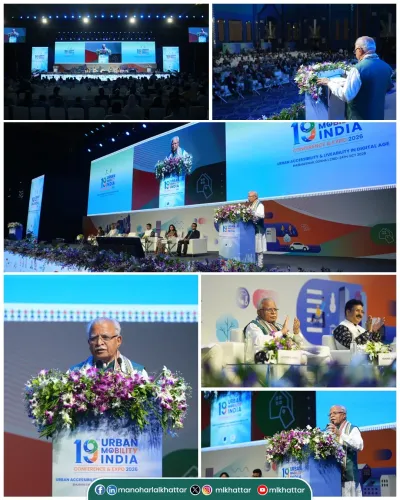
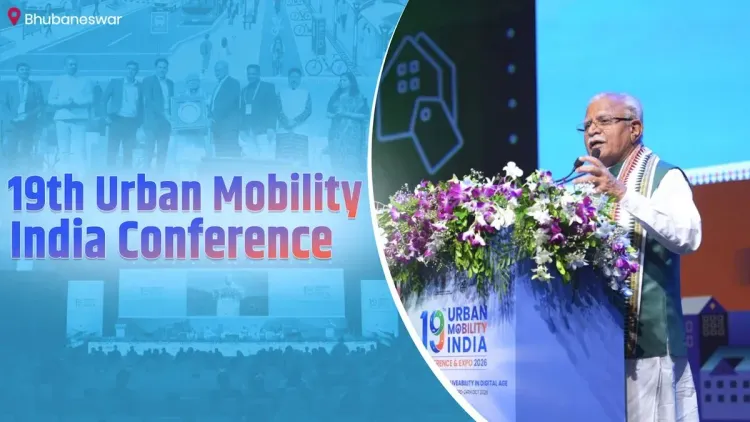
Khattar shares highlights from Urban Mobility India Conf 2026
Synopsis
Union Minister Manohar Lal Khattar highlighted the Urban Mobility India Conference-cum-Exhibition 2026 in Bhubaneswar, the Ministry's flagship annual platform aligning India's city transport policies with national missions on smart cities and sustainable mobility.
Key Takeaways
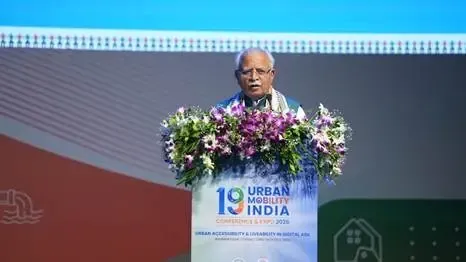
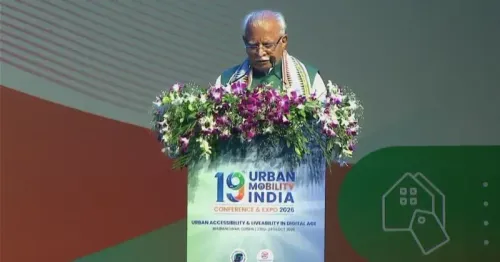
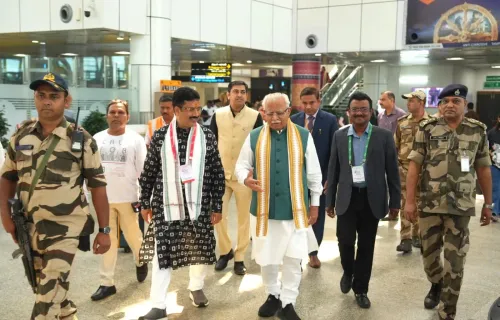
Union Minister Manohar Lal Khattar shared highlights from the Urban Mobility India Conference-cum-Exhibition 2026 held in Bhubaneswar .
Bhubaneswar , Odisha's capital, is a Smart Cities Mission participant with ongoing urban transport upgrades, making it a fitting host city.
The conference is organised annually by UMIConfExpo under the Ministry of Housing and Urban Affairs .
The event draws from three policy pillars: the National Urban Mobility Policy 2014 , the Smart Cities Mission 2015 , and AMRUT 2015 .
Conference deliberations historically feed into Ministry circulars and funding decisions affecting city transport across India.
Follow-up policy or funding announcements from the Ministry are expected in the weeks ahead.
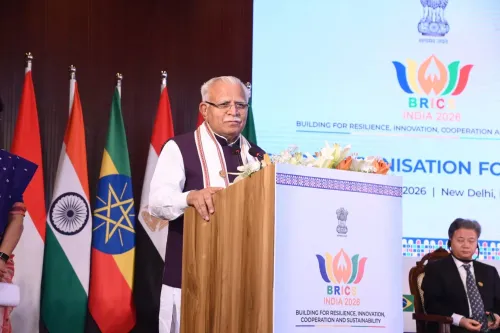
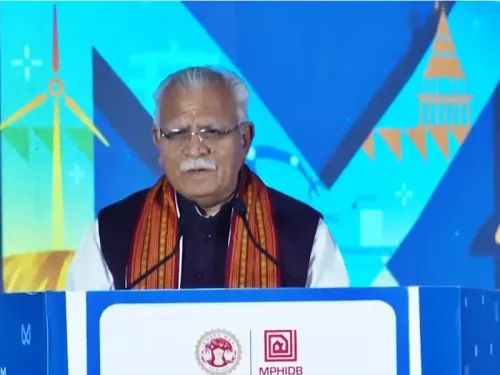
Urban India's mobility future took centre stage in Bhubaneswar on Sunday, October 25, 2026, as Union Minister of Housing and Urban Affairs Manohar Lal Khattar shared highlights from the Urban Mobility India Conference-cum-Exhibition 2026 — the Ministry's flagship annual gathering where city planners, transport authorities, and technology partners converge to chart the direction of India's urban transport network.
Bhubaneswar as the stage for national urban transport dialogue
Bhubaneswar, Odisha's capital and a designated Smart Cities Mission participant, served as the host city for this year's edition. The choice is fitting: the city has been in the middle of its own urban transport transformation, making it a live case study for the very ideas debated inside the conference halls.
The Urban Mobility India Conference-cum-Exhibition, organised by UMIConfExpo under the Ministry of Housing and Urban Affairs, is the country's premier knowledge-sharing platform on city mobility — bringing together municipal bodies, metro rail authorities, bus rapid transit operators, and emerging mobility technology providers under one roof each year.
Three policy pillars that frame every UMI edition
The conference draws its intellectual architecture from three interlocking national frameworks. The National Urban Mobility Policy 2014 set the foundational principle: prioritise people over vehicles, and sustainable modes over private cars. A year later, two missions gave that principle money and muscle — the Smart Cities Mission (2015), which wired technology into urban infrastructure, and AMRUT (Atal Mission for Rejuvenation and Urban Transformation, 2015), which dedicated explicit funding streams to city-level transport upgrades.
Together, these three frameworks have turned the UMI Conference into more than a talking shop. Deliberations here routinely feed into Ministry circulars and funding allocations that shape how hundreds of Indian cities move their millions of commuters every single day.
Why the 2026 edition carries extra weight
India's urban population is projected to cross 600 million by mid-century, and the pressure on city transport networks is already acute — from metro rail expansions in tier-1 cities to first-and-last-mile gaps in smaller towns. Each annual UMI edition is a checkpoint: how far has the national policy vision actually reached the ground, and where must the next round of investment be directed?
Minister Khattar's post, tagging @UMIConfExpo and flagging the event as 'eventful', signals active ministerial engagement with the process — the kind of visibility that typically precedes follow-up action from the Ministry.
Watch for policy circulars or fresh funding announcements from the Ministry of Housing and Urban Affairs in the weeks following the conference — Bhubaneswar may have just set the urban mobility agenda for the next leg of India's city-building sprint.
Point of View
Spotlighting Odisha's urban development story. If the 2026 edition produces actionable Ministry follow-ups — circulars, funding top-ups, or new scheme guidelines — it will affirm that these conferences are genuinely shaping India's urban mobility trajectory rather than serving as annual showcases.
NationPress
25 Oct 2026
Frequently Asked Questions
What is the Urban Mobility India Conference-cum-Exhibition?
The Urban Mobility India Conference-cum-Exhibition is an annual event organised by the Ministry of Housing and Urban Affairs that brings together city planners, transport authorities, and technology providers to share knowledge and align urban transport projects with national policy frameworks.
Where was the Urban Mobility India Conference 2026 held?
The Urban Mobility India Conference-cum-Exhibition 2026 was held in Bhubaneswar , the capital of Odisha and a Smart Cities Mission participant.
What is Manohar Lal Khattar's role in urban mobility policy?
Manohar Lal Khattar is the Union Minister of Housing and Urban Affairs, the ministry responsible for national urban transport policy, the Smart Cities Mission, and AMRUT — making him the key federal authority overseeing India's urban mobility agenda.
What is AMRUT and how does it relate to urban mobility?
The Atal Mission for Rejuvenation and Urban Transformation (AMRUT) , launched in 2015 , is a central government scheme that includes dedicated funding for urban transport infrastructure such as non-motorised transport, bus services, and last-mile connectivity in Indian cities.
What outcomes can be expected after the UMI Conference 2026?
Past editions have been followed by Ministry of Housing and Urban Affairs policy circulars or funding announcements; stakeholders will watch for similar follow-up action after the 2026 Bhubaneswar edition .