Khattar at Urban Mobility India: TOD, Inclusion, Digital Cities
Synopsis
Union Minister Manohar Lal Khattar addressed the valedictory session of the 19th Urban Mobility India Conference in Bhubaneswar, stressing inclusive access, Transit-Oriented Development, and first-and-last-mile connectivity as pillars of future-ready Indian cities under the Ministry of Housing and Urban Affairs.
Key Takeaways
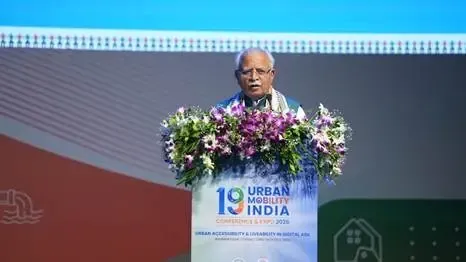
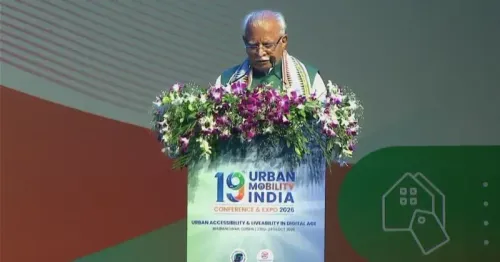
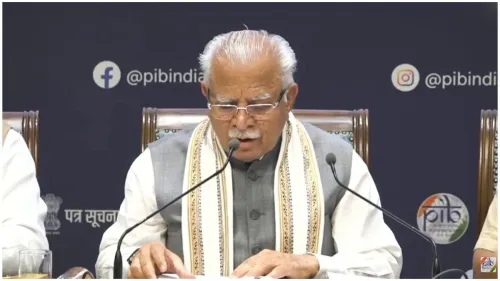
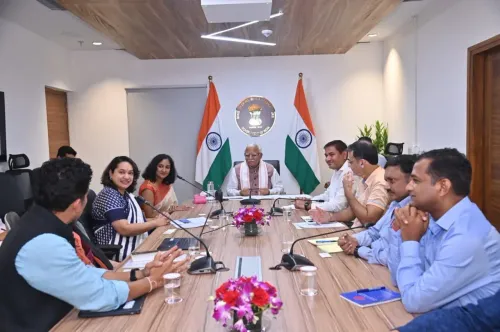
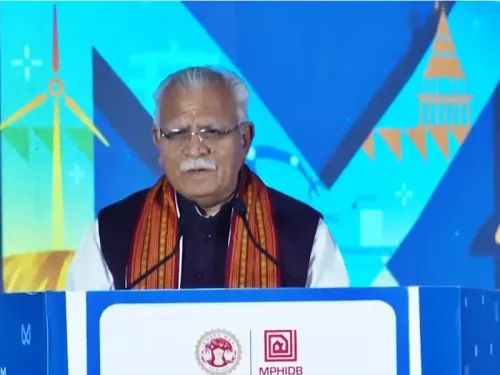
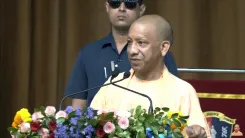
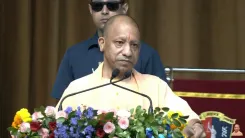
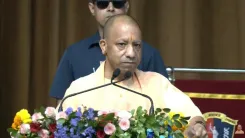
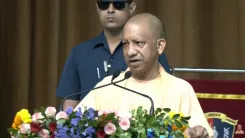
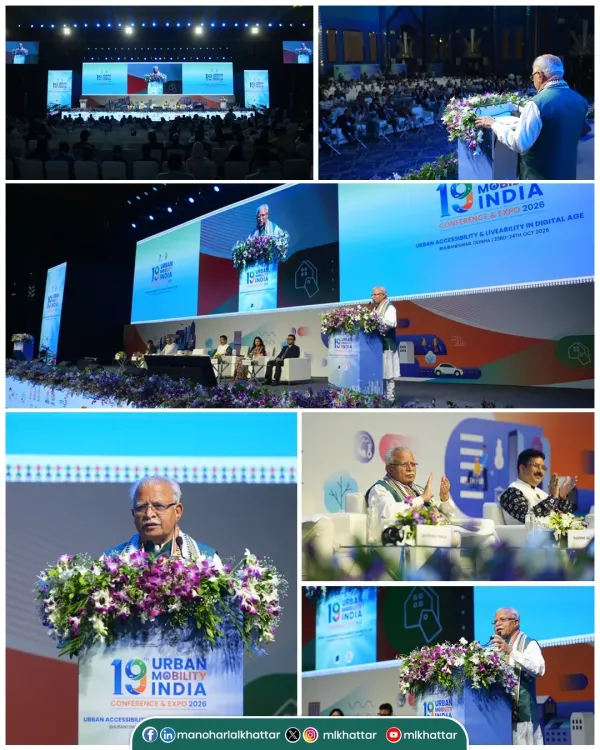
Union Minister Manohar Lal Khattar addressed the valedictory session of the 19th Urban Mobility India Conference-cum-Exhibition in Bhubaneswar on 24 October 2026 .
The conference theme was 'Urban Accessibility and Liveability in the Digital Age' , centring citizen-first mobility planning.
Khattar called for inclusive transport systems serving women, children, senior citizens, and Divyangjans .
Transit-Oriented Development (TOD) and first-and-last-mile connectivity were highlighted as essential to improving the Ease of Living Index .
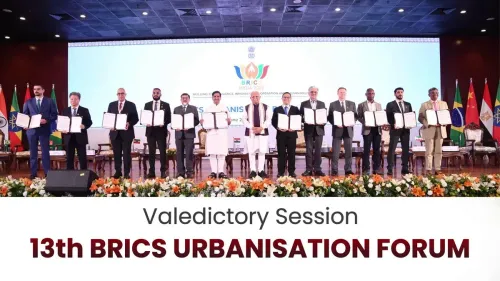
Cities were felicitated for exemplary urban transport initiatives during the event.
The policy push builds on a lineage from the National Urban Transport Policy 2006 through Smart Cities Mission 2015 and AMRUT 2.0 (2021) .
India's cities are growing faster than their roads can carry people — and Union Minister of Housing and Urban Affairs Manohar Lal Khattar used the valedictory session of the 19th Urban Mobility India Conference-cum-Exhibition in Bhubaneswar on Saturday, 24 October 2026 to lay out the government's prescription: inclusive design, digital integration, and a transit-first planning doctrine.
A conference, a theme, and a mandate for tomorrow's commuter
This year's conference ran under the theme 'Urban Accessibility and Liveability in the Digital Age' — a framing that deliberately places the everyday commuter, not the vehicle, at the centre of city design. Khattar reinforced that the government's vision of urban transport must serve 'every citizen, including women, children, senior citizens, and Divyangjans' — those with disabilities — allowing each to 'travel safely, comfortably, and independently.'
That inclusivity push is not rhetorical. India's urbanisation rate is accelerating, with projections pointing to hundreds of millions more city dwellers by mid-century. If transport systems are not designed from the outset to handle that scale — and that diversity of need — retrofitting them later will cost far more, in money and in quality of life.
Transit-Oriented Development and the first-and-last-mile gap
The minister highlighted Transit-Oriented Development (TOD) as a cornerstone of future-ready urban planning. The principle is straightforward but transformative: build dense, mixed-use neighbourhoods around metro stations, bus corridors, and rail nodes so that fewer trips require a private vehicle at all.
Paired with that is the perennial challenge of first-and-last-mile connectivity — the short, often poorly-served stretches between a commuter's front door and the nearest mass-transit stop. Khattar underscored both as essential to advancing the Ease of Living Index, the Ministry of Housing and Urban Affairs' benchmark that scores cities on quality-of-life parameters, mobility prominently among them.
The policy lineage behind these ideas runs deep. The National Urban Transport Policy of 2006 first codified sustainable city-transport planning as a national goal. The Smart Cities Mission (2015) embedded TOD and mobility projects inside a broader urban-renewal push. AMRUT 2.0 (2021) extended central funding for exactly the kind of first-and-last-mile infrastructure the minister was championing on Saturday.
Bhubaneswar on the stage — and cities on the podium
Bhubaneswar, Odisha's capital and a Smart Cities Mission participant, served as more than a backdrop. The city itself is frequently cited in urban-development programmes as a model of planned growth, making it a fitting host for a conference about the cities of tomorrow.
The session also saw cities felicitated for 'exemplary initiatives in Urban Transport.' Khattar congratulated the awardees, calling their work evidence of a 'commitment to building more accessible and efficient Urban Transport Systems.' The awards signal that the Ministry is using competitive recognition — not just central funding — to drive city-level innovation and accountability.
Urban mobility, Khattar noted, is 'closely linked to economic growth and quality of life.' That linkage is well-documented: cities where commutes are shorter, cheaper, and safer see higher workforce participation, especially among women, and stronger local productivity. Getting the transport equation right is not a quality-of-life luxury. It is an economic imperative.
As metro networks expand, bus rapid transit corridors multiply, and digital ticketing stitches them together, the 19th Urban Mobility India conference has set a clear benchmark: the test of any new transport project is whether the most vulnerable commuter — elderly, differently-abled, travelling after dark — can use it without a second thought.
Point of View
Transit-linked development into city master plans before the next wave of metro and BRT expansions, locking in a planning orthodoxy that favours compact growth over sprawl. The inclusion of Divyangjans and women as explicit policy beneficiaries is both socially progressive and electorally shrewd, broadening the coalition of citizens who identify urban mobility as a government deliverable. Watching how city-level TOD notifications actually move — from ministerial conference halls into approved zonal plans — will be the real test of whether this vision translates into asphalt.
NationPress
24 Oct 2026
Frequently Asked Questions
What is the Urban Mobility India Conference?
The Urban Mobility India Conference is an annual event organised under the Ministry of Housing and Urban Affairs to deliberate on urban transport policy, showcase best practices, and recognise exemplary city-level initiatives. The 19th edition was held in Bhubaneswar in October 2026 .
What is Transit-Oriented Development (TOD) in India?
Transit-Oriented Development (TOD) is a planning approach promoted by the Ministry of Housing and Urban Affairs that encourages dense, mixed-use development around metro, rail, and bus transit corridors, reducing dependence on private vehicles and shortening commutes.
What did Manohar Lal Khattar say at the Urban Mobility India Conference 2026?
Khattar stressed the need for safe, seamless, inclusive, and future-ready urban transport systems, specifically calling for mobility solutions accessible to women, children, senior citizens, and Divyangjans . He highlighted TOD and first-and-last-mile connectivity as tools to improve the Ease of Living .
What is first-and-last-mile connectivity in urban transport?
First-and-last-mile connectivity refers to the short stretches between a commuter's origin or destination and the nearest mass-transit stop — typically the weakest link in urban public transport networks. Improving it is a central goal of both AMRUT 2.0 and the Smart Cities Mission .
Why was Bhubaneswar chosen for the Urban Mobility India Conference?
Bhubaneswar , the capital of Odisha, is a Smart Cities Mission participant frequently cited as a model of planned urban growth, making it a fitting venue for a national conference on the future of city mobility.