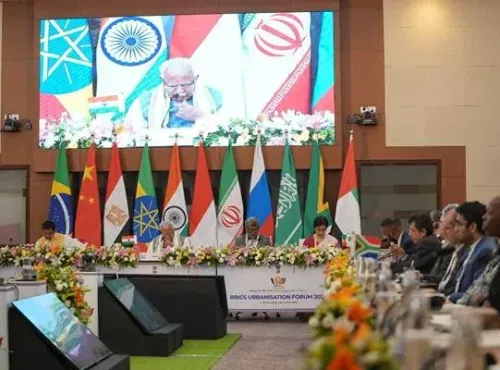
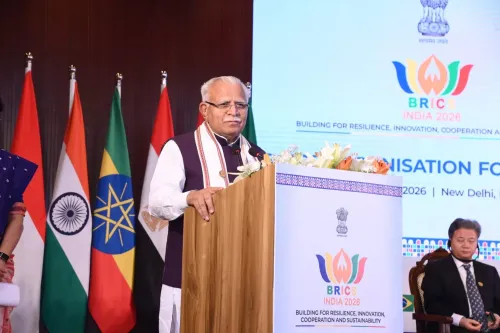
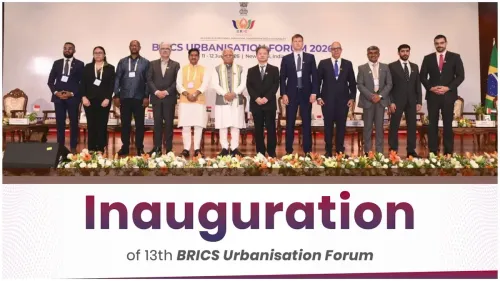
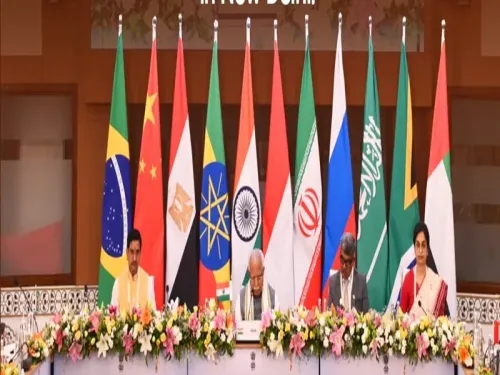
Khattar Wraps BRICS Urbanisation Forum Day 2
Synopsis
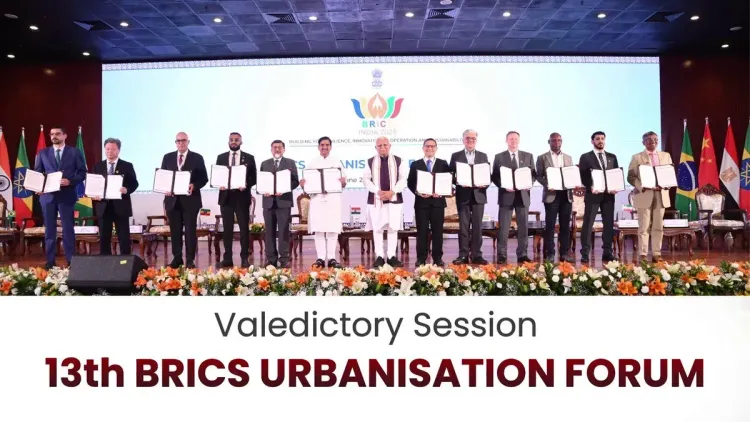
Union Minister Manohar Lal Khattar concluded the two-day BRICS Urbanisation Forum on June 12, 2026, describing it as a 'valuable platform' for member nations to share innovative urban solutions under India's BRICS 2026 presidency. The forum underscores India's push to anchor multilateral urban-policy cooperation during its rotating leadership of the grouping.
Key Takeaways
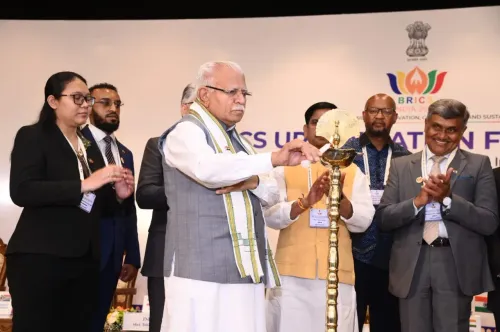
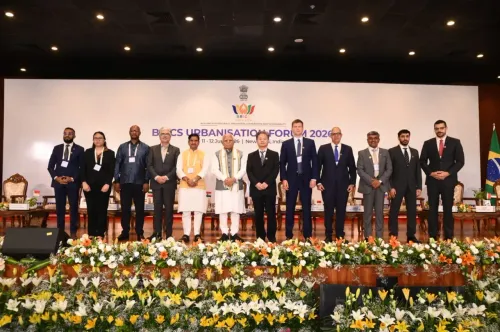
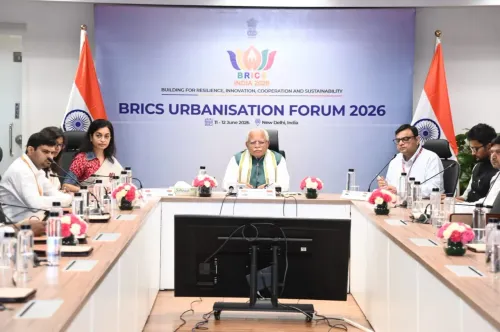
Union Minister Manohar Lal Khattar marked the end of the BRICS Urbanisation Forum on June 12, 2026 , the second and final day of the event.
The forum served as a platform for BRICS member nations and partner countries to exchange urban development experiences and innovative solutions.
The event is part of India's BRICS 2026 presidency , which sets the agenda for the grouping's sector-specific forums this year.
India's domestic urban programmes — including the Smart Cities Mission and AMRUT — form the backdrop to its urban-policy diplomacy within BRICS.
Outcomes from the forum are expected to inform future New Development Bank (NDB) project pipelines and the main BRICS India 2026 summit agenda.
Union Power and Housing Minister Manohar Lal Khattar on Friday, June 12, 2026, highlighted the conclusion of the two-day BRICS Urbanisation Forum, calling it a 'valuable platform' for member nations and partner countries to exchange experiences and share innovative urban solutions.
Context
Posting on X at the close of the forum's second and final day, Khattar described the event as a premier gathering under India's BRICS 2026 presidency. The forum brought together urban policy officials and city planners from BRICS member states and partner countries to deliberate on shared challenges of rapid urbanisation and housing demand.
India holds the rotating BRICS presidency in 2026, giving New Delhi the platform to shape the agenda of the grouping's sector-specific ministerial and expert forums. The urbanisation forum sits within that broader presidential programme.
Policy Backdrop
India's engagement with urban development on multilateral platforms has deep roots. The country launched the Smart Cities Mission in 2015 and the Atal Mission for Rejuvenation and Urban Transformation (AMRUT) to tackle the pressures of fast-growing cities — programmes that successive governments have showcased in forums such as this one.
At the BRICS Summit in Goa in 2016, India had similarly foregrounded infrastructure and sustainable development cooperation. The 2026 presidency continues that tradition, with Khattar, as the minister responsible for Housing and Urban Affairs, serving as the natural face of India's urban-policy diplomacy within the grouping.
BRICS members — which now include an expanded set of partner economies following the 2024 enlargement — have increasingly used sector-specific forums to go beyond the headline summit and generate working-level policy exchanges on financing, digital governance, and affordable housing.
Stakeholders and Impact
Urban local bodies and city planners across BRICS nations stand to benefit most directly from the knowledge-sharing that forums like this facilitate. For India, which is urbanising at a pace that strains municipal infrastructure and housing supply, multilateral platforms offer both validation of domestic schemes and exposure to solutions deployed in peer economies such as Brazil, China, and South Africa.
The forum also feeds into the work of the New Development Bank (NDB), the BRICS-backed multilateral lender that finances urban infrastructure projects across member states. Any joint declarations or working-group mandates emerging from the forum could shape future NDB project pipelines.
What's Next
Attention will now turn to formal outcomes from the forum — including any joint declarations, thematic communiqués, or follow-up working groups on urban policy that India's BRICS presidency may announce. Broader summit-level outcomes under BRICS India 2026 are expected to consolidate the work of these ministerial and expert-level gatherings into a unified presidential agenda. The urbanisation forum's conclusions are likely to feed into discussions on sustainable cities, affordable housing, and climate-resilient urban infrastructure at the main summit.
Point of View
Sector-specific deliverables rather than limiting the grouping to headline summitry. For a minister who oversees both power and housing, anchoring the urbanisation forum adds diplomatic weight to domestic schemes like Smart Cities and AMRUT by framing them within a multilateral knowledge-sharing architecture. The timing also matters: with BRICS expanding its partner-country base since 2024, India has a larger audience for its urban governance model than at any previous presidency. Watch for whether the forum's conclusions translate into concrete NDB financing mandates — that would be the real measure of impact.
NationPress
14 Sept 2026
Frequently Asked Questions
What is the BRICS Urbanisation Forum?
The BRICS Urbanisation Forum is a sector-specific platform under the BRICS framework where member nations and partner countries exchange urban development policies, share innovative city-planning solutions, and discuss challenges such as housing demand and infrastructure financing.
What is India's role in BRICS in 2026?
India holds the rotating BRICS presidency in 2026, giving it the authority to set the grouping's agenda for the year, host ministerial and expert forums, and shape the outcomes of the main BRICS summit.
Who is Manohar Lal Khattar?
Manohar Lal Khattar is India's Union Minister of Power and Housing and Urban Affairs, a senior BJP leader, and a former Chief Minister of Haryana. In his current role he oversees urban development policy, making him the key figure in India's BRICS urbanisation diplomacy.
What are India's main urban development schemes?
India's flagship urban development programmes include the Smart Cities Mission, launched in 2015, and the Atal Mission for Rejuvenation and Urban Transformation (AMRUT), both aimed at improving city infrastructure, digital governance, and affordable housing.
What comes after the BRICS Urbanisation Forum?
The forum's conclusions are expected to feed into the main BRICS India 2026 summit agenda. Potential follow-up actions include joint declarations on urban policy, new working groups, and New Development Bank project announcements tied to urban infrastructure.