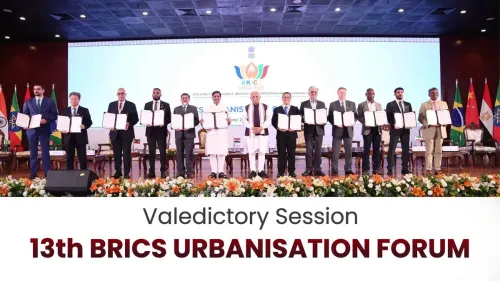
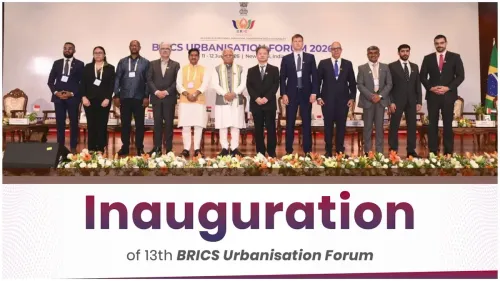
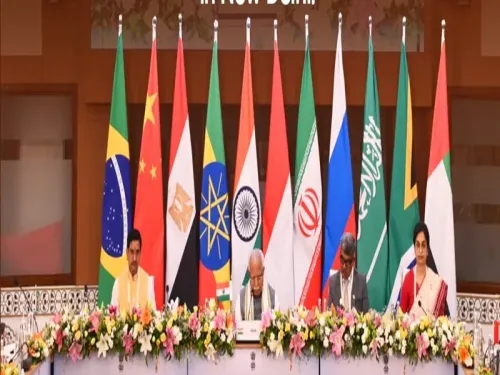
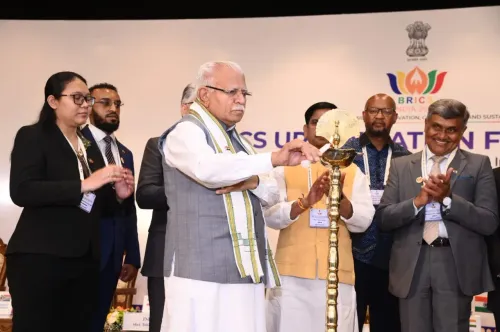
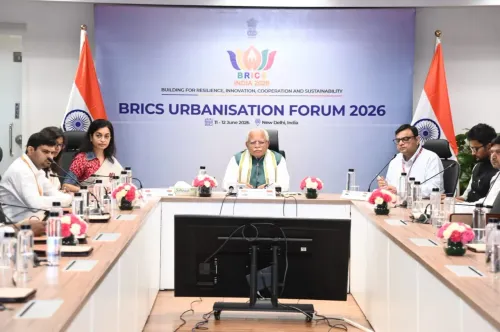
Khattar inaugurates 13th BRICS Urbanisation Forum under India's 2026 Chairship
Synopsis
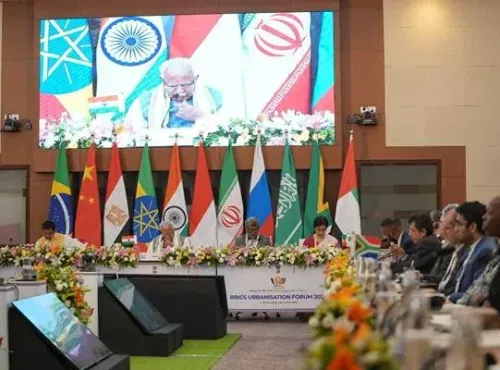
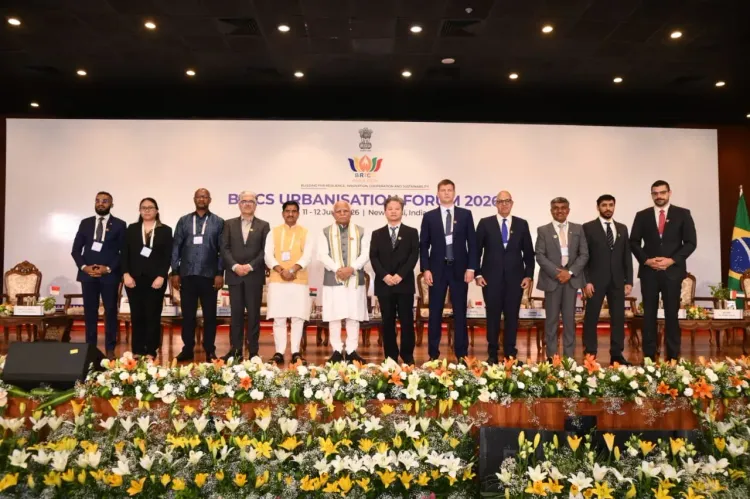
Union Minister Manohar Lal Khattar on June 11, 2026, inaugurated the 13th BRICS Urbanisation Forum under India's 2026 BRICS Chairship. The forum, themed 'Cities for People,' brings together policymakers and urban experts from BRICS nations to advance inclusive, resilient and sustainable urban development through South-South cooperation.
Key Takeaways
The 13th BRICS Urbanisation Forum commenced on June 11, 2026 , under India's BRICS 2026 Chairship .
Union Minister Manohar Lal Khattar , who holds the Housing and Urban Affairs portfolio, announced the forum's opening.
The forum's theme is 'Cities for People: BRICS Cooperation for Inclusive and Resilient Urban Futures' .
Policymakers, urban experts and stakeholders from all BRICS member nations are participating.
The forum is expected to feed cooperative urban development outcomes into the broader BRICS 2026 Summit agenda.
India's participation is backed by domestic programmes such as the Smart Cities Mission , launched in 2015 .
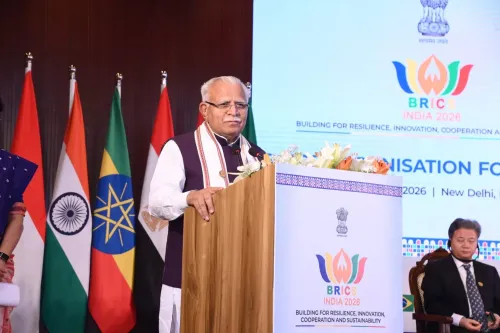
Union Power Minister Manohar Lal Khattar on Thursday, June 11, 2026, announced the commencement of the 13th BRICS Urbanisation Forum, a high-level gathering of policymakers, urban experts and stakeholders from across BRICS member nations convened to deliberate on people-centric, resilient and sustainable urban development.
Context
The forum is being held under India's 2026 BRICS Chairship, with the theme 'Cities for People: BRICS Cooperation for Inclusive and Resilient Urban Futures'. Khattar, who holds the portfolio of Housing and Urban Affairs in addition to Power, described the forum as 'a vital platform to exchange best practices, foster innovation and strengthen cooperation in shaping the cities of tomorrow.'
The event brings together urban planners, city administrators and government representatives from Brazil, Russia, India, China, South Africa and the grouping's newer member states. Its focus on inclusive and resilient urban futures reflects the shared pressures of rapid urbanisation facing all BRICS economies.
Policy Backdrop
The BRICS Urbanisation Forum is a recurring thematic platform that has steadily grown in scope as the grouping expanded its agenda beyond macroeconomic coordination. The BRICS New Development Bank, established in 2014, has been a key financing vehicle for infrastructure and sustainable urban projects across member states, providing institutional muscle to the forum's deliberations.
India's domestic urban policy record lends added weight to its role as host. The Smart Cities Mission, launched in 2015, has positioned India as a practitioner of technology-driven urban development — a model that Indian officials have consistently highlighted in multilateral settings. The 2021 BRICS Summit, also hosted by India, similarly foregrounded people-centric development as a core cooperative priority.
India's 2026 chairship continues a pattern of using BRICS thematic forums to showcase domestic programmes while advancing South-South knowledge exchange, particularly as the grouping navigates its post-2024 membership expansion and a broader institutional identity shift.
Stakeholders and Impact
Urban planners and city administrators from across BRICS nations stand to benefit most directly from the forum's proceedings. The platform is designed to surface replicable models — whether in affordable housing, climate-resilient infrastructure or digital urban governance — that member states can adapt to their own contexts.
For India, the forum is also an opportunity to project its urban development credentials on a multilateral stage at a moment when cities such as Pune, Surat and Indore have drawn international attention for smart-city and sanitation initiatives. The Housing and Urban Affairs Ministry, which Khattar heads, is the nodal body coordinating India's participation.
What's Next
Observers will watch for any joint statements, urban development frameworks or cooperative deliverables that emerge from the forum and feed into the broader BRICS 2026 Summit agenda. Ministerial-level follow-up meetings and working-group outcomes will be the clearest indicator of whether the forum's deliberations translate into concrete South-South urban cooperation commitments.
Point of View
Whose ministry oversees both the Smart Cities Mission and the PMAY housing scheme, the forum is an opportunity to project domestic achievements onto a South-South stage. The timing also matters: BRICS is navigating a post-expansion identity, and thematic forums like this one help consolidate the grouping's practical relevance beyond geopolitical signalling. The real test will be whether the forum produces actionable urban cooperation frameworks rather than aspirational declarations.
NationPress
26 Oct 2026
Frequently Asked Questions
What is the 13th BRICS Urbanisation Forum?
The 13th BRICS Urbanisation Forum is a recurring multilateral platform that brings together policymakers, urban experts and stakeholders from BRICS member nations to share best practices and advance cooperation on sustainable, inclusive and resilient urban development. The 2026 edition commenced on June 11 under India's BRICS Chairship.
What is the theme of the BRICS Urbanisation Forum 2026?
The theme of the 2026 BRICS Urbanisation Forum is 'Cities for People: BRICS Cooperation for Inclusive and Resilient Urban Futures,' focusing on people-centric urban planning and South-South cooperation.
Who is hosting the BRICS Urbanisation Forum 2026?
India is hosting the forum as part of its 2026 BRICS Chairship. Union Minister Manohar Lal Khattar, who heads the Ministry of Housing and Urban Affairs, announced its commencement on June 11, 2026.
What is India's role in BRICS 2026?
India holds the BRICS Chairship in 2026, making it the host of a series of thematic forums, ministerial meetings and the BRICS Summit. The chairship allows India to set agenda priorities and showcase its domestic policy programmes on a multilateral platform.
What is the BRICS New Development Bank and how is it related to urban development?
The BRICS New Development Bank was established in 2014 to finance infrastructure and sustainable urban projects across BRICS member states. It serves as a key institutional mechanism supporting the urban development goals deliberated at forums such as the BRICS Urbanisation Forum.