Khattar Delivers Address at BRICS Urbanisation Forum 2026
Synopsis
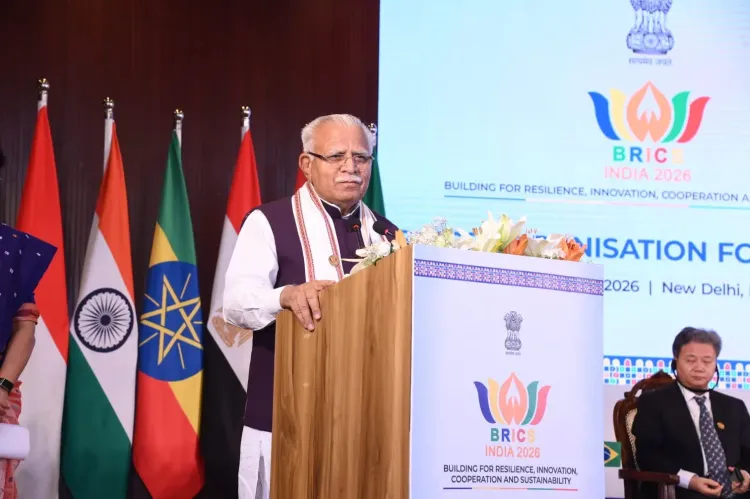
Union Minister Manohar Lal Khattar delivered the Valedictory Address at the 13th BRICS Urbanisation Forum 2026 in New Delhi. The forum adopted the first-ever BRICS Urban Ministerial Declaration and endorsed India's proposal for a BRICS Urban Research and Knowledge Network, marking a step toward structured multilateral cooperation on sustainable urban development.
Key Takeaways
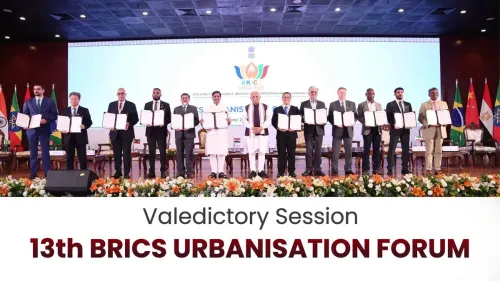
Manohar Lal Khattar delivered the Valedictory Address at the 13th BRICS Urbanisation Forum 2026 in New Delhi on June 12, 2026 .
The forum adopted the first-ever BRICS Urban Ministerial Declaration , signalling a formal political commitment to coordinated urban policy among member states.
A compendium titled 'Cities for People: Urban Stories from BRICS Nations' was released at the close of the forum.
India's proposal for a BRICS Urban Research and Knowledge Network received a positive response from member nations and partner countries.
The forum aligns with India's domestic urban missions including the Smart Cities Mission and AMRUT 2.0 , which share themes of sustainability and inclusivity with the BRICS agenda.
Follow-up steps include operationalising the knowledge network and potential BRICS New Development Bank financing linked to the new declaration.
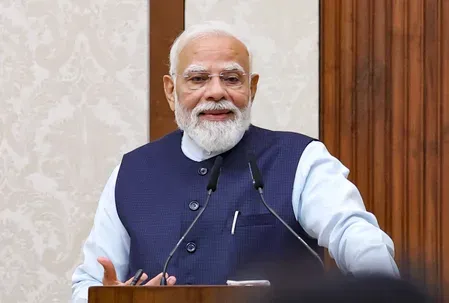
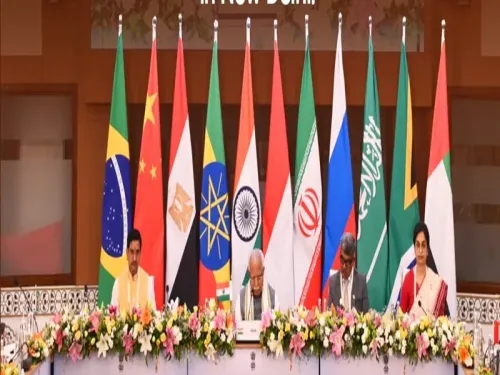
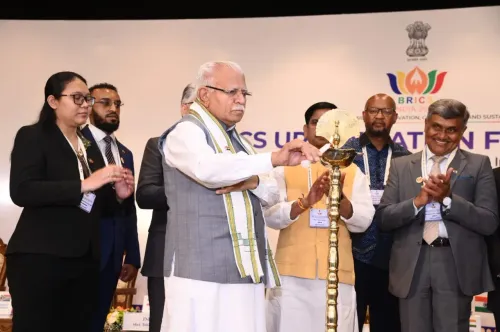
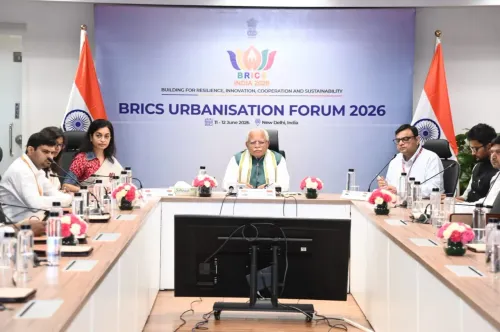
Union Minister of Housing and Urban Affairs Manohar Lal Khattar delivered the Valedictory Address at the 13th BRICS Urbanisation Forum 2026 in New Delhi on Friday, June 12, 2026, and addressed a press briefing following the adoption of what the minister described as the first-ever BRICS Urban Ministerial Declaration.
Context
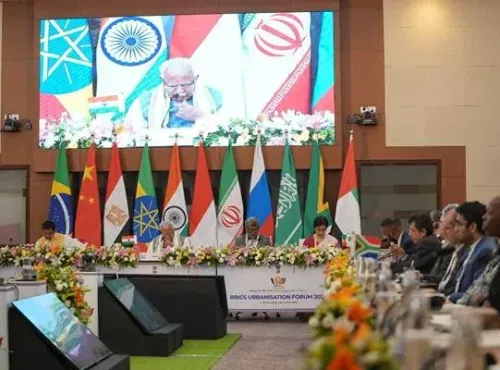
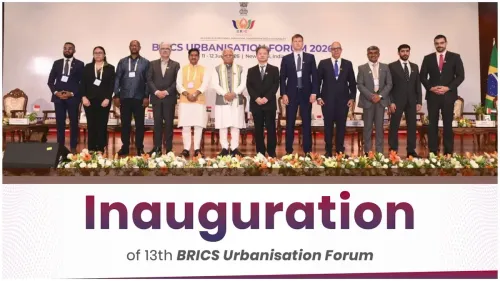
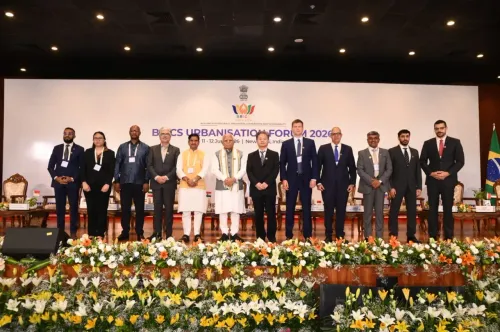
The forum brought together urban affairs ministers and senior officials from BRICS member states and partner countries to exchange policy experiences and urban development strategies. Khattar described the gathering as 'an important step towards strengthening BRICS cooperation for people-centric, inclusive, resilient and sustainable urban development.'
Two significant outcomes marked the close of the forum: the release of a compendium titled 'Cities for People: Urban Stories from BRICS Nations', and a positive reception to India's proposal for a BRICS Urban Research and Knowledge Network — a platform intended to institutionalise knowledge sharing among member nations on city planning and urban innovation.
Policy Backdrop
India has consistently used multilateral platforms to project its domestic urban missions as replicable models for the Global South. Flagship schemes such as the Smart Cities Mission, launched in 2015, and AMRUT 2.0, launched in 2021, target sustainable urban infrastructure, universal water supply, and digital city governance — themes closely aligned with the BRICS forum's stated agenda.
The BRICS New Development Bank (NDB), established in 2014, has financed urban infrastructure projects across member states, providing a financial architecture that could underpin future commitments emerging from the new declaration. India's 2024 BRICS chairship and the grouping's expansion to new member nations have broadened the forum's geographic and thematic scope, with greater emphasis on inclusive growth models suited to rapidly urbanising economies.
Stakeholders and Impact
Urban local bodies across BRICS nations stand to benefit most directly from the proposed BRICS Urban Research and Knowledge Network, which — if operationalised — would give city administrators access to peer-reviewed urban solutions from across member states. For India, the network also offers a channel to position its urban governance experience as a reference point for developing economies.
The BRICS Urban Ministerial Declaration, adopted at the forum, signals a political commitment by member governments to coordinate more formally on urban policy — a step beyond the technical exchanges that have characterised earlier editions of the forum. Partner countries present at the event add a further diplomatic dimension, extending the forum's reach beyond the core BRICS bloc.
What's Next
Attention will now turn to whether the proposed BRICS Urban Research and Knowledge Network moves from endorsement to formal establishment, including decisions on its secretariat, funding, and operational mandate. Any follow-up announcements from the NDB on urban infrastructure financing tied to the new declaration will be closely watched by member governments and city planners alike.
The declaration and India's knowledge-network proposal together set an agenda that successive BRICS presidencies will be expected to advance — making the operationalisation timeline a key indicator of the forum's real-world impact on urban development across member nations.
Point of View
Hosting this milestone and winning endorsement for a knowledge network is a soft-power gain that reinforces its role as an urban policy exporter to the Global South. Khattar's prominent platform at the valedictory session also signals the government's intent to use multilateral forums to validate domestic urban missions like Smart Cities and AMRUT 2.0. The real test, however, lies in whether the declaration translates into funded, operational mechanisms before the next BRICS presidency takes the chair.
NationPress
13 Sept 2026
Frequently Asked Questions
What is the BRICS Urbanisation Forum?
The BRICS Urbanisation Forum is a recurring multilateral platform where urban affairs ministers and officials from BRICS member states meet to exchange urban policy experiences and promote cooperation on sustainable city development. The 2026 edition, held in New Delhi, was its 13th iteration.
What was adopted at the BRICS Urbanisation Forum 2026?
The forum adopted the first-ever BRICS Urban Ministerial Declaration, a formal political commitment by member governments to coordinate on urban development. It also saw the release of 'Cities for People: Urban Stories from BRICS Nations' and endorsement of India's proposal for a BRICS Urban Research and Knowledge Network.
What is the BRICS Urban Research and Knowledge Network?
The BRICS Urban Research and Knowledge Network is India's proposal for an institutional platform to enable structured knowledge sharing among BRICS member nations on urban planning, governance, and innovation. It received a positive response from member states at the 2026 forum.
What role did Manohar Lal Khattar play at the BRICS forum?
Union Minister Manohar Lal Khattar delivered the Valedictory Address at the 13th BRICS Urbanisation Forum 2026 in New Delhi and addressed a press briefing after the adoption of the BRICS Urban Ministerial Declaration.
How does India's urban policy connect to BRICS urbanisation goals?
India's Smart Cities Mission and AMRUT 2.0 scheme focus on sustainable infrastructure, digital governance, and universal water supply — themes that closely align with the BRICS forum's agenda of people-centric, resilient, and inclusive urban development. India has used these missions as reference models for Global South cities.