CM Samrat Choudhary: NABARD clears ₹1,775 cr for Bihar water projects
Synopsis
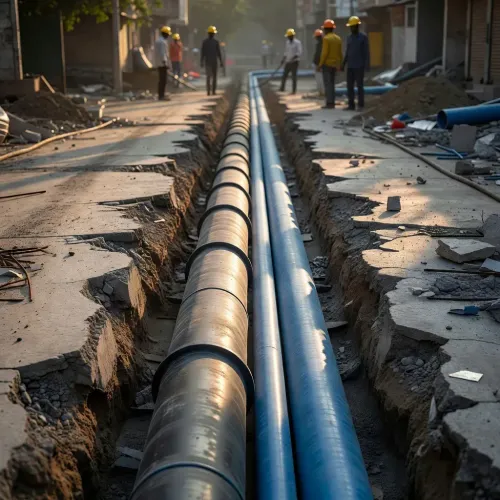
Bihar CM Samrat Choudhary has announced NABARD's approval of ₹1,774.98 crore for drinking water projects in Aurangabad, Sasaram, and Dehri. The total outlay is ₹2,014.65 crore, covering 8 lakh people now and targeting 12 lakh by 2051.
Key Takeaways
NABARD has sanctioned ₹1,774.98 crore for drinking water infrastructure in three Bihar districts.
Total project cost is ₹2,014.65 crore , with the state likely contributing the ~₹240 crore balance.
The projects cover Aurangabad, Sasaram, and Dehri — two of the three are in Rohtas district .
Current beneficiary coverage is approximately 8 lakh people , scaling to 12 lakh by 2051 .
The initiative aligns with the Jal Jeevan Mission , launched in 2019 to provide tap water to all rural households.
Bihar CM Samrat Choudhary credited Prime Minister Narendra Modi for the sanction.
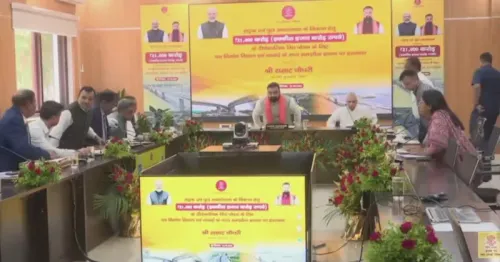
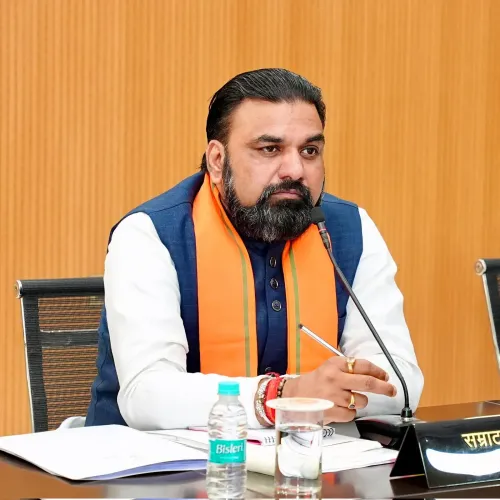
Clean drinking water is about to reach nearly eight lakh households across three underserved districts of Bihar — and the funding muscle behind that promise just came through. Bihar Chief Minister Samrat Choudhary on Thursday, 29 October 2026 announced that NABARD has approved ₹1,774.98 crore for drinking water projects in Aurangabad, Sasaram, and Dehri, thanking Prime Minister Narendra Modi for the sanction.
Posting in Hindi, the Chief Minister expressed gratitude — 'हार्दिक आभार' (heartfelt gratitude) — to PM Modi, framing the approval as a decisive boost to clean drinking water availability in the region. The total project outlay will be ₹2,014.65 crore, with the NABARD sanction covering the bulk of that financing. Current beneficiaries are projected at approximately 8 lakh people, with coverage scaled up to 12 lakh people by 2051.
Three districts, one pipeline push
Aurangabad is a district in southern Bihar long associated with agrarian distress and lagging infrastructure. Sasaram and Dehri — both in Rohtas district — are historically significant towns that have faced persistent gaps in piped water access. Bundling all three into a single NABARD-backed tranche signals a coordinated, corridor-level approach rather than piecemeal project allocation.
The nearly ₹240-crore gap between the NABARD sanction (₹1,774.98 crore) and the total project cost (₹2,014.65 crore) suggests the state government will contribute the balance — a cost-sharing structure typical of centrally-assisted rural infrastructure schemes.
Jal Jeevan Mission's long shadow
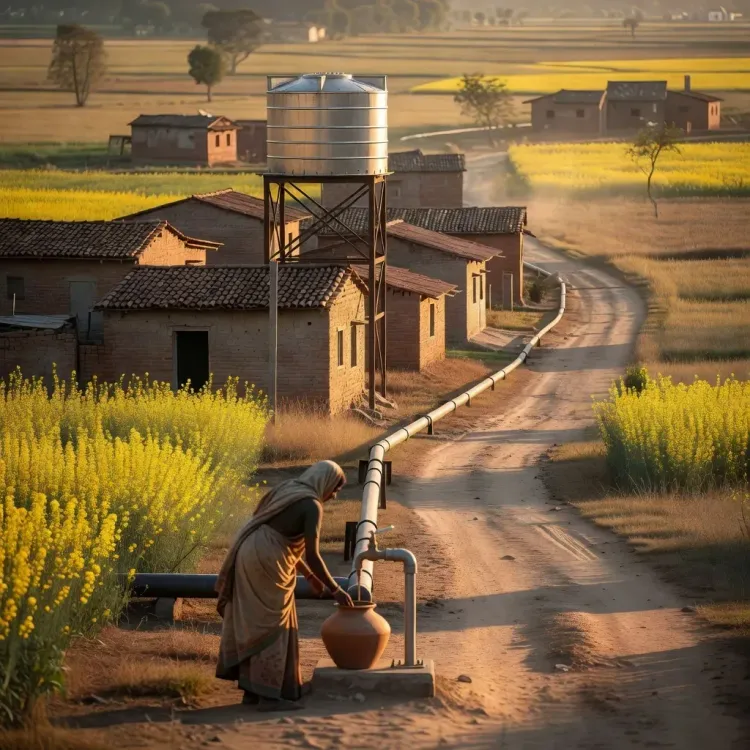
This approval slots into the broader architecture of India's Jal Jeevan Mission, launched in 2019, which set an ambitious target of functional household tap connections across every rural home in the country. NABARD, as the apex rural finance institution, has been a critical pipeline for states needing bridge financing to meet those targets — converting central policy intent into on-ground construction contracts. Bihar, with its large rural population and historically low water-infrastructure coverage, has been one of the mission's most consequential theatres.
A 25-year planning horizon — building capacity for 12 lakh people by 2051 — means this is not just a project but a generational infrastructure bet on Bihar's demographic growth.
What it means on the ground
CM Choudhary's closing line — 'हर घर तक स्वच्छ एवं पर्याप्त पेयजल पहुँचाने के लिए हम प्रतिबद्ध हैं' ('We are committed to providing clean and adequate drinking water to every household') — is both a political pledge and an administrative directive. The real measure will come at the tendering stage: how quickly construction contracts are awarded, and whether the implementation timeline matches the ambition. Bihar's infrastructure delivery record is uneven, but the scale of NABARD's financial commitment makes this one difficult to quietly shelve.
Point of View
Where rural water access remains a critical electoral and developmental metric, locking in a 25-year infrastructure horizon is strategically significant beyond a single project cycle. The real stress-test, however, lies ahead: Bihar's infrastructure execution has historically lagged approvals, and the gap between NABARD sanction and project completion is where political promises either survive or evaporate. Watchers should track tendering timelines and household connection data from these three corridors closely.
NationPress
29 Oct 2026
Frequently Asked Questions
How much has NABARD approved for drinking water projects in Bihar?
NABARD has approved ₹1,774.98 crore for drinking water projects in Aurangabad, Sasaram, and Dehri in Bihar. The total project cost is ₹2,014.65 crore .
Which areas in Bihar will benefit from the NABARD water project?
The approved projects cover Aurangabad district and the towns of Sasaram and Dehri , both in Rohtas district of Bihar.
How many people will benefit from Bihar's new drinking water projects?
Currently, approximately 8 lakh people are expected to benefit. The target is to provide drinking water to 12 lakh people by 2051 .
What is the Jal Jeevan Mission and how does this project relate to it?
The Jal Jeevan Mission was launched in 2019 to provide functional household tap connections across rural India. The NABARD-funded Bihar water projects are part of this broader national push to achieve universal rural water access.
Who announced the NABARD approval for Bihar drinking water projects?
Bihar Chief Minister Samrat Choudhary announced the approval on 29 October 2026 , thanking Prime Minister Narendra Modi for facilitating the sanction.