Khattar Reviews Metro First & Last Mile Connectivity Plans
Synopsis
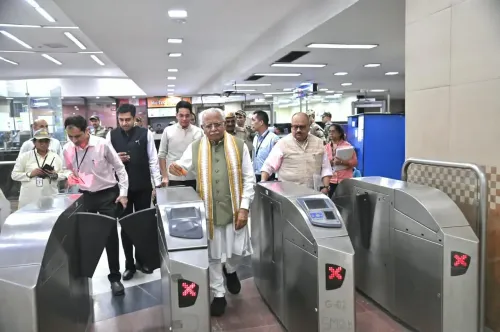
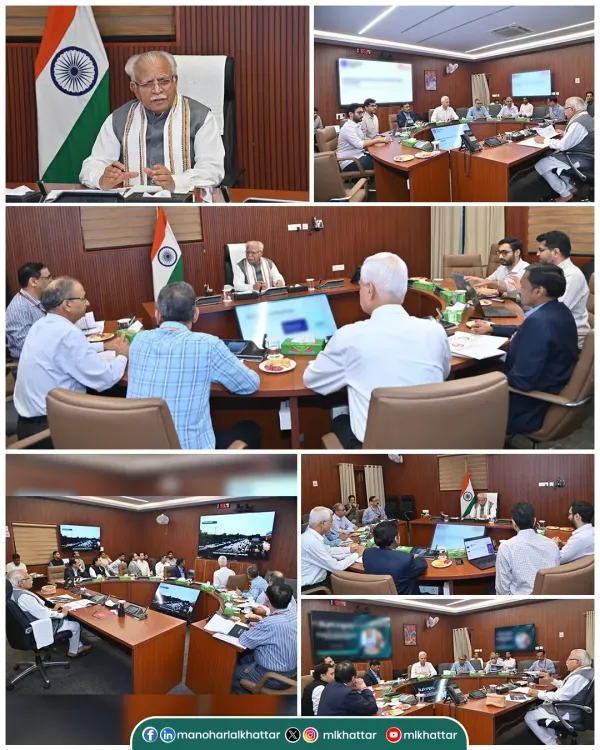
Union Minister Manohar Lal Khattar chaired a review meeting on 22 October 2026 to strengthen first-and-last-mile metro connectivity, calling for better feeder services and multimodal integration to make metro travel seamless from home to destination.
Key Takeaways
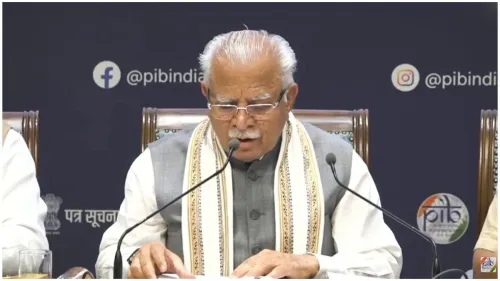
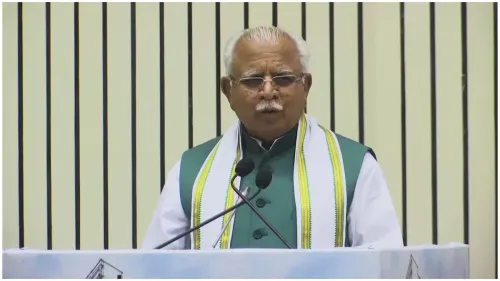
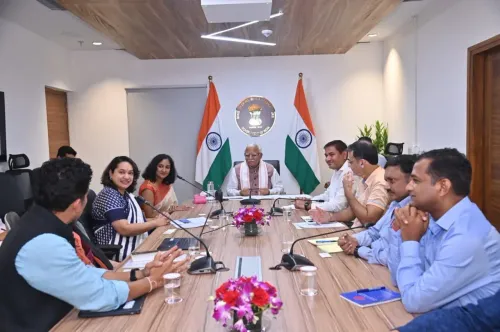
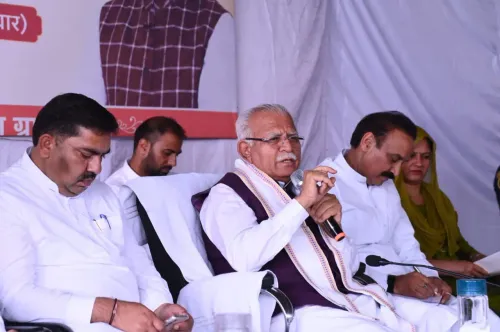
Manohar Lal Khattar , Union Minister of Housing and Urban Affairs, chaired a review meeting on 22 October 2026 focused on first-and-last-mile metro connectivity.
The meeting emphasised smooth passenger access to metro stations and seamless travel from station to final destination.
Better feeder services and coordination with other transport modes — including feeder buses and e-rickshaws — are the stated mechanisms of the push.
The initiative is framed as part of PM Narendra Modi's broader urban mobility agenda.
The Metro Rail Policy 2017 and AMRUT scheme previously laid policy groundwork for multimodal metro integration, but on-ground execution has lagged.
The ministry's shift from metro expansion to optimising existing networks signals a maturing of India's urban transport priorities.
The gap between a metro station and your front door is where urban mobility wins or loses — and Union Minister of Housing and Urban Affairs Manohar Lal Khattar made that gap his explicit priority on Thursday, 22 October 2026, chairing a review meeting focused squarely on first-and-last-mile connectivity for metro commuters across India.
In a post on X, Khattar wrote: 'मेट्रो सेवाओं को अधिक सुलभ और यात्रियों के लिए सुविधाजनक बनाने हेतु First and Last Mile Connectivity को सुदृढ़ करना हमारी प्राथमिकता है' — ('Strengthening first-and-last-mile connectivity to make metro services more accessible and convenient for passengers is our priority'). The meeting, he noted, placed special emphasis on ensuring smooth passenger access to metro stations and seamless onward travel from the station to the final destination.
The Last-Mile Problem Metro Networks Haven't Solved — Yet
India has built world-class metro infrastructure in cities from Delhi to Kochi to Nagpur. But ridership has consistently underperformed potential because reaching the station — or getting from it to your destination — remains an ordeal of autorickshaws, congested roads, and patchy feeder bus coverage. First-and-last-mile connectivity is the sector's most stubborn structural gap.
The Metro Rail Policy 2017 formally recognised this, mandating multimodal integration as a pre-condition for metro project approvals. The Atal Mission for Rejuvenation and Urban Transformation (AMRUT), launched in 2015, also included urban transport and last-mile infrastructure components. Yet execution on the ground has lagged behind policy intent — a gap Khattar's ministry is now visibly pressing to close.
Feeder Services and Multimodal Coordination at the Centre of the Push
Khattar's post names the mechanism clearly: better feeder services and effective coordination with other modes of transport. The goal, he stated, is to make metro travel 'not just fast and convenient, but seamless from home to destination' — framing it as a direction set under Prime Minister Narendra Modi's guidance.
In practical terms, this points toward integration of feeder buses, e-rickshaws, and last-mile electric vehicles with metro station access points — a model already piloted in parts of the Delhi Metro network and being explored in newer systems. Effective coordination with state transport undertakings remains the critical variable: metro rail is central-policy territory, but the buses and autos feeding it are almost always run by state governments or urban local bodies.
Why This Meeting Signals a Shift in Urban Mobility Attention
The Ministry of Housing and Urban Affairs has historically focused its bandwidth on metro expansion — new lines, new cities, fresh capital approvals. A review meeting dedicated specifically to connectivity around existing stations signals a maturing of priorities: from building the network to actually getting people to use it.
With multiple metro systems in tier-2 cities now operational and ridership data coming in, the ministry has real numbers to work with. The next visible test will be whether feeder bus and e-rickshaw integration plans translate into on-ground rollouts — and whether upcoming parliamentary sessions carry fresh urban mobility funding announcements to back them up.
India's metro ambition was always about more than steel and concrete. It was about reshaping how 500 million urban citizens move every single day. Getting the last mile right is how that promise finally cashes out.
Point of View
Less glamorous work of multimodal integration that actually drives ridership. This aligns with a broader pattern in India's urban policy cycle: infrastructure is built faster than the ecosystem around it. The political salience of 'seamless home-to-destination travel' is also notable — it reframes metro policy in voter-legible, everyday language rather than technocratic jargon. Whether this translates into coordinated action with state governments, who control the feeder-service layer, will be the real test of intent.
NationPress
22 Oct 2026
Frequently Asked Questions
What is first-and-last-mile connectivity in metro rail?
First-and-last-mile connectivity refers to how commuters travel between their homes or workplaces and the nearest metro station — typically via feeder buses, e-rickshaws, or other short-distance transport modes. It is considered one of the biggest barriers to metro ridership in India.
What did Manohar Lal Khattar say about metro connectivity?
Khattar stated on 22 October 2026 that strengthening first-and-last-mile connectivity is his ministry's priority, and that the goal is to make metro travel seamless 'from home to destination' through better feeder services and multimodal coordination.
Which ministry handles metro rail policy in India?
The Ministry of Housing and Urban Affairs, currently headed by Union Minister Manohar Lal Khattar, is the nodal central ministry responsible for metro rail policy, urban mobility schemes, and related infrastructure under the Government of India.
What is the Metro Rail Policy 2017?
The Metro Rail Policy 2017 was notified to standardise metro development across India, encourage public-private participation, and make multimodal integration — including first-and-last-mile connectivity — a mandatory requirement for project approvals.
What is AMRUT and how does it relate to metro connectivity?
AMRUT, or the Atal Mission for Rejuvenation and Urban Transformation, was launched in 2015 and includes components for urban transport and last-mile connectivity infrastructure. It forms part of the policy foundation for metro-adjacent mobility improvements in Indian cities.