Khel Maharan 3.0 Fires Up Grassroots Sport in Assam
Synopsis
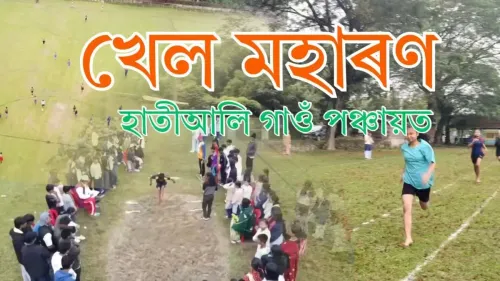
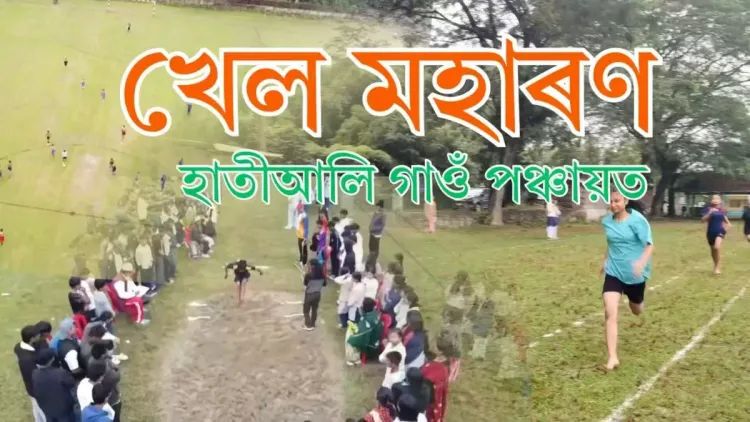
Khel Maharan 3.0, CM Himanta Biswa Sarma's flagship grassroots sports competition, reached Hatiali Gaon Panchayat in Chabua-Lahowal LAC on November 18, drawing enthusiastic young athletes and families in upper Assam as the decentralised talent-hunt expands village by village.
Key Takeaways
Khel Maharan 3.0 is the third edition of the Assam government's grassroots sports competition designed to identify rural talent.
The latest event was held at Hatiali Gaon Panchayat in Chabua-Lahowal LAC , upper Assam.
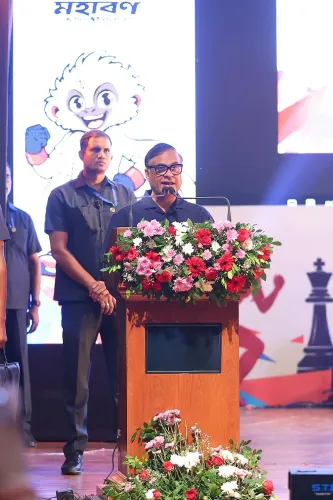
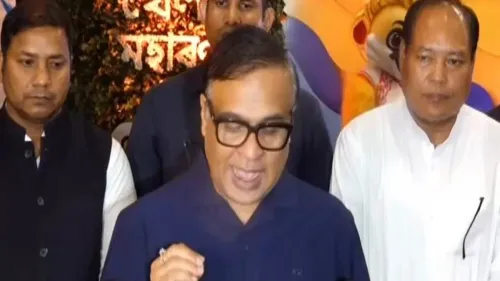
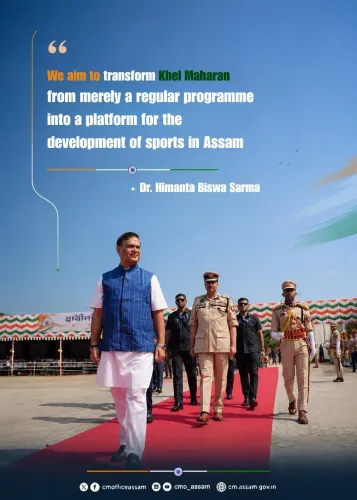
CM Dr Himanta Biswa Sarma is the driving force behind the initiative, which is designated as his flagship sports programme.
The competition deliberately targets panchayat level venues to extend sporting opportunity beyond urban and district centres.
Young athletes and local families have shown enthusiastic participation, signalling growing grassroots sporting culture in rural Assam.
Subsequent rounds may feed into state-level selections , offering athletes pathways to Assam's broader sports pipeline.
Village by village, panchayat by panchayat — Khel Maharan 3.0 is rewriting how Assam discovers its sporting champions. The Chief Minister's Office of Assam posted on Wednesday, November 18, 2026, highlighting the competition's latest stop at Hatiali Gaon Panchayat in Chabua-Lahowal Legislative Assembly Constituency in upper Assam, where young athletes and local families turned out in force.
A panchayat becomes an arena
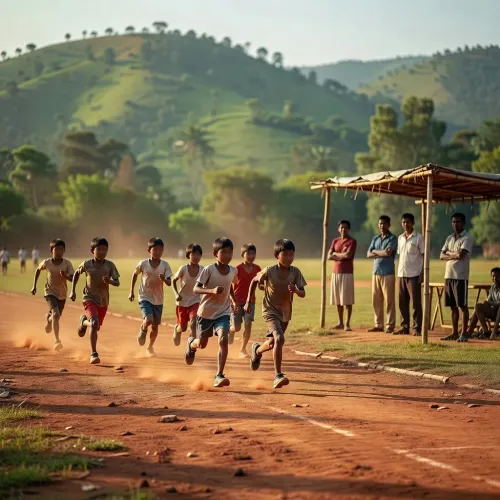
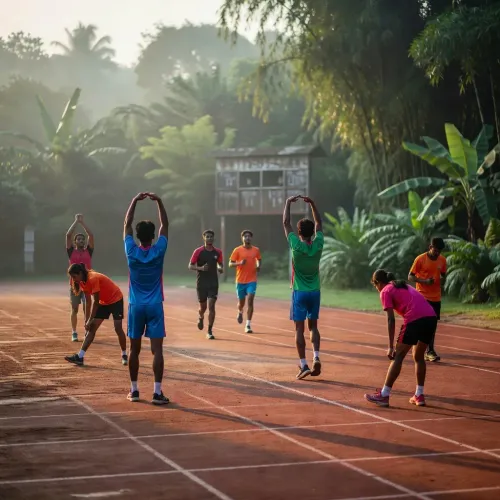
The scenes at Hatiali Gaon Panchayat capture exactly what Chief Minister Dr Himanta Biswa Sarma's flagship initiative is designed to produce: a sporting atmosphere not confined to cities or academies, but alive in the lanes and open grounds of rural Assam. The post described the participation as reflecting 'the growing sporting spirit' — and the video footage shared alongside it underscores the point with images of enthusiastic young competitors and cheering families.
Chabua-Lahowal LAC, nestled in upper Assam, is known more for its tea estates than its athletics tracks. That a competitive sporting event is now drawing crowds here speaks directly to the decentralisation drive at the heart of this programme.
Khel Maharan's journey from edition one to 3.0
Khel Maharan was conceived as a multi-edition grassroots sports competition to push talent identification down to the village level — a deliberate departure from the convention of scouting only in district headquarters or state capitals. Earlier editions laid the groundwork, expanding rural participation and building familiarity with competitive sport among communities that had little prior access to organised tournaments.
The 3.0 edition carries that mandate forward with wider reach, bringing the competitive circuit to panchayats across the state. The Assam government's underlying logic is straightforward: talent is distributed evenly across geographies, but opportunity is not — and Khel Maharan is the correction mechanism.
What comes after Hatiali
The competition's design — moving through panchayats and local constituencies — means subsequent rounds will test whether the energy visible at Hatiali Gaon translates into structured state-level selections. Athletes who emerge from these grassroots heats could find pathways into Assam's broader sports development pipeline, potentially reaching state and national platforms. With Dr Sarma personally championing the initiative, the political will to convert village momentum into podium results is explicit.
The question the next few rounds will answer: how many of the young athletes competing under open skies at a panchayat ground today will be representing Assam on a national stage tomorrow?
Point of View
Anchoring the competition at panchayat level is a calculated signal that his administration's ambitions extend to the last village — not just the last mile. The long-term test, however, is institutional: whether grassroots excitement converts into sustained infrastructure, coaching, and national representation, or whether the energy remains largely ceremonial. If structured selection pathways follow the competition's geographic spread, Khel Maharan could meaningfully shift Assam's sporting geography.
NationPress
18 Nov 2026
Frequently Asked Questions
What is Khel Maharan 3.0 in Assam?
Khel Maharan 3.0 is the third edition of a grassroots sports competition organised by the Assam government to identify and nurture sporting talent at the village and panchayat level across the state.
Who launched Khel Maharan in Assam?
Chief Minister Dr Himanta Biswa Sarma launched and champions Khel Maharan as his flagship sports initiative, aiming to decentralise talent identification beyond urban centres.
Where was Khel Maharan 3.0 held on November 18 2026?
On November 18, 2026, the event was held at Hatiali Gaon Panchayat in the Chabua-Lahowal Legislative Assembly Constituency in upper Assam.
What is the purpose of Khel Maharan?
The competition aims to bring organised sporting events to rural and panchayat-level communities, discover untapped athletic talent in villages, and build a broader sporting culture across Assam.
What happens to athletes after Khel Maharan?
Athletes who perform well in the panchayat-level heats of Khel Maharan may progress through subsequent rounds toward state-level selections and integration into Assam's wider sports development pipeline, though formal outcomes for the 3.0 edition are yet to be announced.