Kishan Reddy condoles Visakhapatnam Steel Plant accident
Synopsis
Union Coal and Mines Minister G. Kishan Reddy expressed grief over a fatal accident at the Visakhapatnam Steel Plant on June 8, 2026, condoling bereaved families and praying for the recovery of the injured, as safety concerns at the financially stressed RINL facility draw fresh scrutiny.
Key Takeaways
Union Coal and Mines Minister G.
Kishan Reddy condoled the victims of a tragic accident at the Visakhapatnam Steel Plant on June 8, 2026 .
Reddy extended condolences to bereaved families and prayed for the speedy recovery of the injured.
The Visakhapatnam Steel Plant is operated by Rashtriya Ispat Nigam Limited (RINL) , a central public sector undertaking listed for strategic disinvestment since 2021 .
The plant has faced sustained financial stress, with observers linking deferred maintenance to recurring safety incidents at public sector steel facilities.
The National Steel Policy 2017 mandated modern safety standards across steel plants, though compliance at financially stressed units has been uneven.
Inquiries into the accident's cause and possible safety audits at other RINL and SAIL plants are expected to follow.
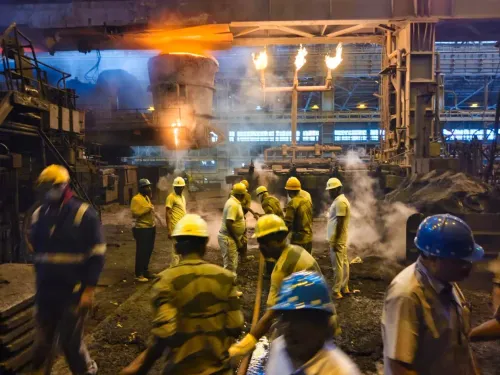
Union Coal and Mines Minister G. Kishan Reddy on Monday, June 8, 2026, expressed deep grief over a tragic accident at the Visakhapatnam Steel Plant, extending condolences to the families of those who lost their lives and praying for the swift recovery of the injured.
Context
Reddy, who also serves as BJP Telangana state president, posted his condolences on X, tagging Rashtriya Ispat Nigam Limited (RINL), the central public sector undertaking that operates the Visakhapatnam Steel Plant in Andhra Pradesh. 'Deeply saddened by the tragic accident at the Visakhapatnam Steel Plant,' he wrote, adding, 'My heartfelt condolences to the bereaved families who have lost their loved ones in this unfortunate incident.'
The minister's message, closing with Om Shanti — a traditional Sanskrit invocation of peace for the departed — underscored the gravity of the incident for the coastal industrial cluster.
Policy Backdrop
RINL operates one of India's largest integrated steel facilities, originally established with Soviet technical assistance in the 1970s and 1980s. The plant employs several thousand workers and has historically sourced coking coal through centrally managed linkages — a supply chain that falls within Reddy's ministerial purview, explaining his engagement with the incident.
The plant has faced sustained financial stress in recent years and has been listed for strategic disinvestment since 2021. Critics and trade unions have long argued that financial constraints have delayed technology upgrades and routine maintenance, raising safety concerns. The National Steel Policy 2017 mandated modern safety and environmental standards across public and private steel plants, though implementation at stressed units has been uneven.
Stakeholders and Impact
The Visakhapatnam Steel Plant is a major employer in the Visakhapatnam region and holds significant symbolic importance for Andhra Pradesh, having been a long-standing demand of the state's people before its establishment. Accidents at the plant directly affect workers, their families, and the broader industrial community of the port city.
Public sector steel plants across India have experienced recurring safety incidents, a pattern observers link to financial stress and deferred maintenance investment. Ministerial attention from outside the Steel Ministry — such as this post from the Coal and Mines Minister — reflects the political visibility such accidents command in coastal industrial constituencies.
What's Next
Central and state authorities are expected to order inquiries into the cause of the accident, with possible follow-up safety audits at other RINL and SAIL facilities. Parliamentary questions on worker compensation, modernisation funding, and the pace of safety compliance at disinvestment-listed plants are likely to follow when the legislature is in session.
The incident adds fresh urgency to calls for a comprehensive safety and maintenance review at the Visakhapatnam Steel Plant, even as its long-term ownership status remains unresolved.
Point of View
A state that borders his home base of Telangana and where the BJP has electoral ambitions. The Visakhapatnam Steel Plant sits at the intersection of industrial policy and identity politics — it was a hard-won public sector project for Andhra, and any accident there commands cross-party attention. The post also implicitly spotlights the safety risks that accompany RINL's prolonged financial distress and unresolved disinvestment status, a pressure point that opposition parties are likely to exploit in Parliament. Ministerial condolences from outside the Steel Ministry signal that the Centre is politically sensitive to the plant's condition, even as structural decisions about its future remain stalled.
NationPress
23 Oct 2026
Frequently Asked Questions
What happened at the Visakhapatnam Steel Plant on June 8 2026?
A tragic accident occurred at the Visakhapatnam Steel Plant, operated by Rashtriya Ispat Nigam Limited (RINL), resulting in fatalities and injuries among workers. The exact cause and casualty figures are subject to official inquiry.
Who is G. Kishan Reddy and why did he comment on the VSP accident?
G. Kishan Reddy is the Union Minister of Coal and Mines and BJP Telangana state president. He commented because RINL sources coking coal through centrally managed linkages that fall within his ministerial purview, and because the plant holds significant political importance in the region.
What is RINL and who owns the Visakhapatnam Steel Plant?
Rashtriya Ispat Nigam Limited (RINL) is a central public sector undertaking that owns and operates the Visakhapatnam Steel Plant. The Government of India has listed RINL for strategic disinvestment since 2021.
Is the Visakhapatnam Steel Plant safe for workers?
The plant has experienced recurring safety incidents, which observers link to financial stress and deferred maintenance investment. The National Steel Policy 2017 mandates modern safety standards, but compliance at financially stressed public sector units has been flagged as uneven.
What action is expected after the Visakhapatnam Steel Plant accident?
Central and state authorities are expected to order an inquiry into the cause of the accident. Follow-up safety audits at other RINL and SAIL plants, as well as parliamentary questions on compensation and modernisation funds, are likely to follow.