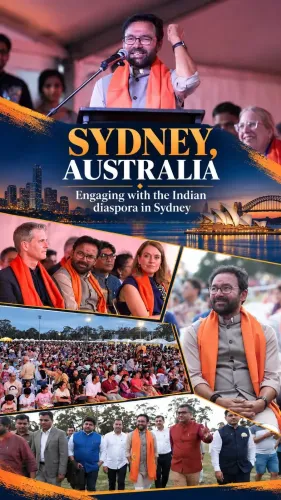
Kishan Reddy Meets Indian Diaspora in Sydney, Pitches Viksit Bharat Vision

Synopsis
Union Coal and Mines Minister G. Kishan Reddy met the Indian diaspora in Sydney on 25 October 2026, highlighting India's transformation under PM Modi across digital infrastructure, highways and clean energy under the Viksit Bharat vision.
Key Takeaways
Kishan Reddy , Union Minister of Coal and Mines, engaged the Indian diaspora in Sydney, Australia on 25 October 2026 .
Reddy highlighted three development pillars: digital public infrastructure , modern highways , and clean energy and technological innovation .
The engagement aligns with the Viksit Bharat vision — PM Modi's framework for a developed India by 2047 .
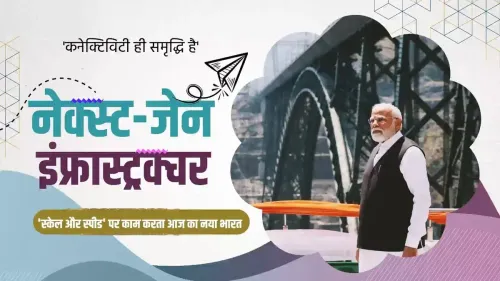
Digital India (2015) and Bharatmala Pariyojana (2015) form the policy backbone behind the talking points Reddy presented.
India and Australia have held a Comprehensive Strategic Partnership since 2020 , with critical minerals and clean energy as key bilateral priorities.
Diaspora outreach abroad has become a consistent tool for Indian ministers to project domestic milestones and build overseas goodwill.
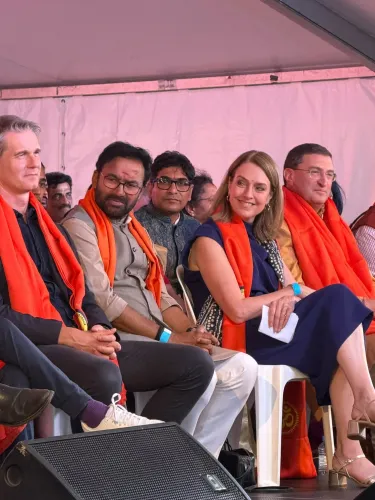
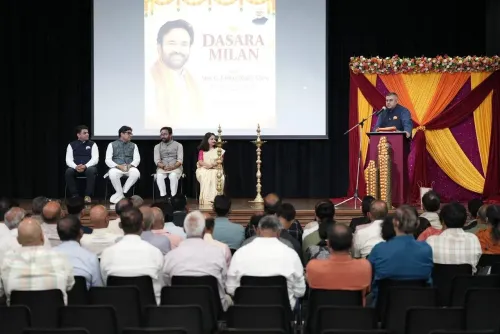
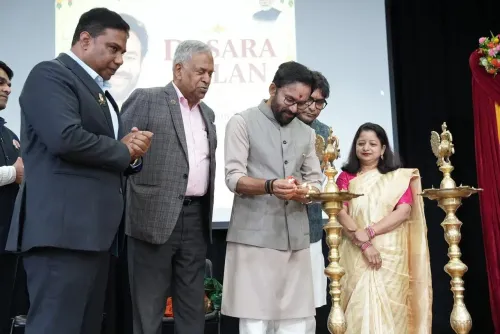
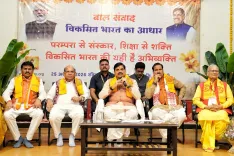
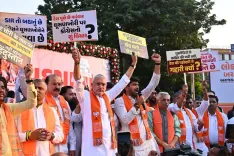
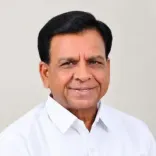
Union Coal and Mines Minister G. Kishan Reddy took India's development story to the heart of the Australian diaspora on Sunday, 25 October 2026, meeting with the Indian community in Sydney to champion the country's transformation under Prime Minister Narendra Modi — from digital highways to clean energy corridors.
A diaspora room and a national pitch
Reddy framed India's progress across three interlocking pillars: digital public infrastructure, modern highway connectivity, and clean energy and technological innovation. The message, delivered to a community thousands of kilometres from home, was as much about pride as it was about policy. 'India is building a stronger, more future-ready nation and shaping the global growth story,' he wrote after the engagement.
The backdrop matters. Australia hosts one of the fastest-growing Indian diaspora communities in the world, and Sydney is its largest concentration. For a minister touring abroad, that room is both an audience and an asset — a living link between the country India is becoming and the world it seeks to impress.
The policy architecture behind the talking points
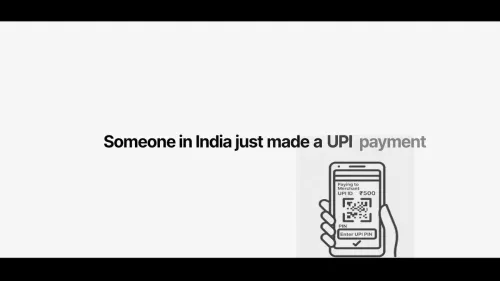
Each pillar Reddy cited has a legislative or programmatic spine. The Digital India programme, launched in 2015, expanded the country's digital public infrastructure stack — anchored by Aadhaar and UPI — into one of the most referenced models of public-sector technology deployment globally. Bharatmala Pariyojana, also approved in 2015, set an ambitious national highway construction target that has since reshaped freight and connectivity across multiple states.
On clean energy, India's scaled-up renewable targets — crystallised after the 2015 Paris Agreement and the launch of the International Solar Alliance — have made the country a reference point in global climate diplomacy. The Viksit Bharat vision, the Modi government's overarching framework for a developed India by 2047, ties all three threads into a single national narrative — and it was exactly that narrative Reddy carried into the Sydney room.
Sydney as soft power, Australia as strategic partner
This is not an isolated gesture. Indian ministers have routinely used diaspora engagements abroad to project domestic milestones and cultivate overseas goodwill — a pattern that intensified after India and Australia elevated their ties to a Comprehensive Strategic Partnership in 2020. High-level visits have since multiplied, with trade, critical minerals, and clean energy emerging as the live wires of the bilateral relationship.
Reddy's portfolio — coal and mines — quietly underlines why Australia matters: the two countries share deep stakes in the global critical minerals supply chain, a conversation that will only grow louder as clean-energy transitions accelerate. The diaspora hall may have heard a speech about national pride. The ministerial calendar almost certainly carries harder conversations alongside it.
Point of View
A Coal and Mines minister does not visit Sydney purely for goodwill. Diaspora events increasingly serve as the public-facing layer of a deeper ministerial agenda, giving the government a ready audience while trade and supply-chain conversations proceed in parallel. The Viksit Bharat frame also signals that the 2047 development narrative has fully migrated from domestic political messaging into India's external-facing identity.
NationPress
25 Oct 2026
Frequently Asked Questions
Why did G. Kishan Reddy visit Sydney in October 2026?
Reddy visited Sydney to meet the Indian diaspora community and share India's development achievements under PM Modi, including progress on digital infrastructure, highways and clean energy as part of the Viksit Bharat vision.
What is Viksit Bharat?
Viksit Bharat is the Modi government's overarching vision to make India a fully developed nation by 2047, the centenary of its independence, encompassing digital, infrastructure, energy and economic goals.
What is the India-Australia Comprehensive Strategic Partnership?
The Comprehensive Strategic Partnership was established in 2020, significantly elevating bilateral ties between India and Australia with a focus on trade, defence, critical minerals and clean energy cooperation.
What is G. Kishan Reddy's portfolio in the Union Cabinet?
G. Kishan Reddy serves as Union Minister of Coal and Mines and is also the BJP's state president for Telangana.
How large is the Indian diaspora in Australia?
Australia is home to one of the fastest-growing Indian diaspora communities globally, with Sydney hosting the largest concentration of Indian-origin residents in the country.