Kishan Reddy Marks 11 Years of Digital India's Scale
Synopsis
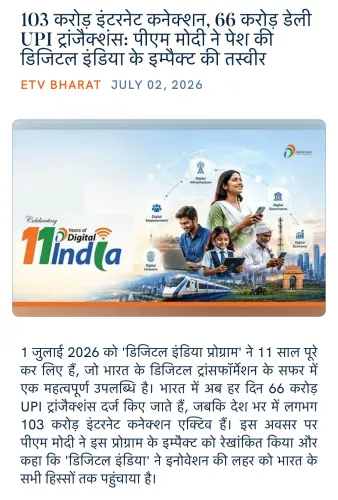
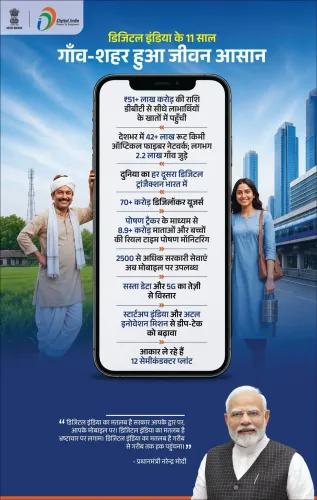
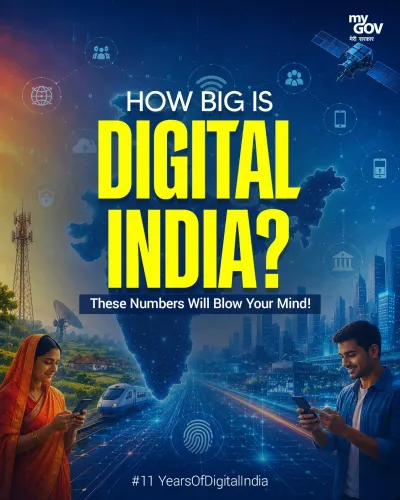
Union Minister G. Kishan Reddy on 1 July 2026 marked Digital India's 11th anniversary, citing 7.6 lakh UPI transactions per second, 66 crore daily, and over 42 lakh km of optical fibre as proof of India's digital transformation under PM Modi.
Key Takeaways
Kishan Reddy , Union Coal and Mines Minister and BJP Telangana president, posted on 1 July 2026 to mark 11 years of Digital India .
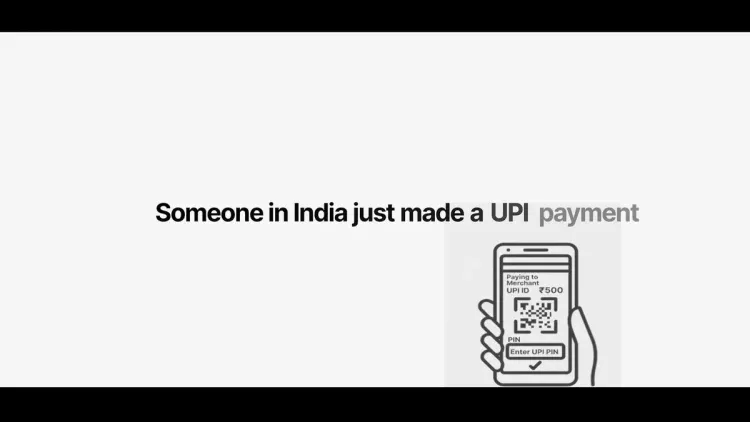
India now processes over 7.6 lakh UPI transactions every second , amounting to approximately 66 crore transactions per day .
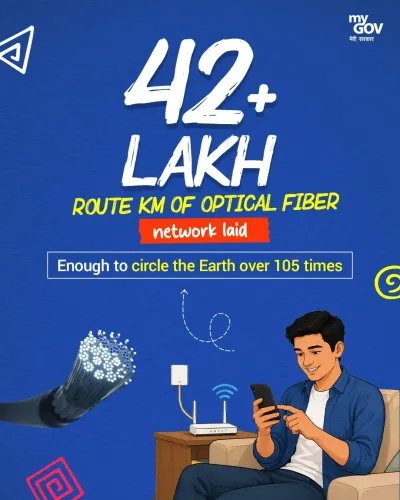
More than 42 lakh kilometres of optical fibre have been laid across the country under the Digital India and BharatNet programmes.
The Digital India programme was launched on 1 July 2015 by PM Narendra Modi to build a digitally empowered knowledge economy.
India's Digital Public Infrastructure (DPI) model — combining Aadhaar, UPI, and broadband — is being promoted internationally as a replicable framework.
Upcoming policy documents such as the Economic Survey and Union Budget are expected to outline the next phase of digital infrastructure targets.
Union Coal and Mines Minister G. Kishan Reddy on Wednesday, 1 July 2026 marked the 11th anniversary of the Digital India programme, highlighting the country's digital public infrastructure as a defining achievement under Prime Minister Narendra Modi. The minister cited figures of over 7.6 lakh UPI transactions per second — approximately 66 crore every day — and more than 42 lakh kilometres of optical fibre laid across the country as evidence of India's digital transformation at scale.
Context
The Digital India programme was formally launched on 1 July 2015 by Prime Minister Narendra Modi with the stated goal of transforming India into a digitally empowered society and knowledge economy. The anniversary, now marking 11 years, has become a recurring moment for the ruling Bharatiya Janata Party (BJP) to spotlight technology-led governance as a central pillar of its development narrative. Reddy, who also serves as BJP Telangana state president, framed the milestone in aspirational terms, writing that 'India has built one of the world's largest and most inclusive digital public infrastructures' and that 'this is India writing its own destiny.'
The minister's post carried the hashtag #11YearsOfDigitalIndia, situating it within a coordinated anniversary communication across the party and government. While Reddy holds the coal and mines portfolio, senior ministers routinely amplify flagship cross-sectoral programmes on significant dates.
Policy Backdrop
The Unified Payments Interface (UPI), developed by the National Payments Corporation of India (NPCI) and operational since August 2016, has grown into one of the world's highest-volume real-time payment systems. The transaction figures cited by Reddy — 7.6 lakh per second and 66 crore per day — reflect the system's reach across urban and rural populations alike.
Parallel to UPI's growth, the BharatNet project — originally approved in 2011 as the National Optical Fibre Network and subsequently scaled up under Digital India — has been the backbone of rural broadband connectivity. The 42 lakh kilometres of optical fibre figure cited by the minister points to the cumulative infrastructure built to connect gram panchayats across the country. Together, these two pillars — payments and connectivity — form the core of what the government has described as India's Digital Public Infrastructure (DPI) model.
Stakeholders and Impact
The beneficiaries of this infrastructure span a wide spectrum: banking customers conducting instant digital transfers, rural households accessing government services online, and small merchants integrated into the formal economy through QR-code-based payments. India's DPI model — combining Aadhaar, UPI, and broadband — has also attracted international attention, with the government actively promoting it through bilateral agreements as a replicable framework for developing economies.
For Telangana, where Reddy leads the state BJP unit, digital connectivity and fintech adoption have been significant political and economic talking points, making the minister's engagement with the Digital India anniversary consistent with both his national role and state-level positioning.
What's Next
Attention will now turn to whether the government announces fresh targets for UPI transaction volumes or new phases of BharatNet expansion in forthcoming policy documents, including the Economic Survey or the next Union Budget. The Digital India programme's next phase is expected to deepen focus on AI-enabled governance, cybersecurity infrastructure, and expanding last-mile broadband to underserved regions. The anniversary messaging signals that digital infrastructure will remain central to the BJP's governance narrative ahead of electoral cycles.
Point of View
A programme that has become one of the party's most durable governance brand assets. By anchoring the message in concrete infrastructure metrics — UPI volume and fibre kilometres — the communication sidesteps political contestation and leans into technocratic credibility. The choice of a coal and mines minister to amplify a digital infrastructure milestone underscores how the party deploys its entire ministerial bench to reinforce cross-cutting flagship narratives. With state elections on the horizon in several regions, this kind of metric-heavy, aspirational messaging is likely to intensify as the government approaches the next electoral cycle.
NationPress
30 Sept 2026
Frequently Asked Questions
What is the Digital India programme and when was it launched?
Digital India is a flagship government programme launched on 1 July 2015 by Prime Minister Narendra Modi to transform India into a digitally empowered society, covering digital infrastructure, services, and literacy.
How many UPI transactions happen per day in India in 2026?
According to Union Minister G. Kishan Reddy's post on 1 July 2026, India processes approximately 66 crore UPI transactions every day, equivalent to over 7.6 lakh transactions per second.
How much optical fibre has India laid under Digital India and BharatNet?
The minister cited more than 42 lakh kilometres of optical fibre laid across India, built primarily through the BharatNet project to connect rural gram panchayats with broadband.
Who is G. Kishan Reddy?
G. Kishan Reddy is the Union Minister of Coal and Mines in the Government of India and also serves as the president of the BJP's Telangana state unit.
What is BharatNet and how does it relate to Digital India?
BharatNet is a government project, originally approved in 2011, that lays optical fibre to connect gram panchayats across rural India. It was scaled up under the Digital India programme to provide last-mile broadband connectivity.