Kishan Reddy Hails Digital India's Decade of Governance Gains
Synopsis
Union Minister G. Kishan Reddy marked Digital India's 11th anniversary on 1 July 2026, crediting Direct Benefit Transfers, Aadhaar, DigiLocker and BharatNet with making governance more accessible and inclusive for crores of Indian citizens.
Key Takeaways
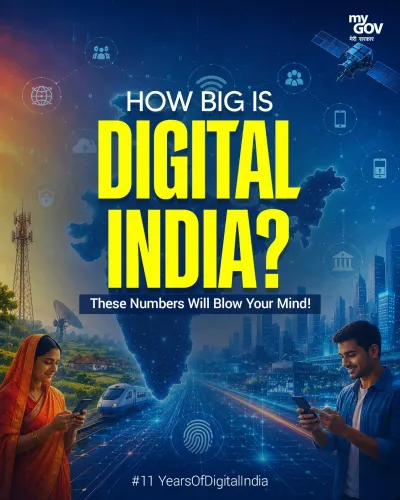
Digital India was launched on 1 July 2015 and completed 11 years on the date of Reddy's post.
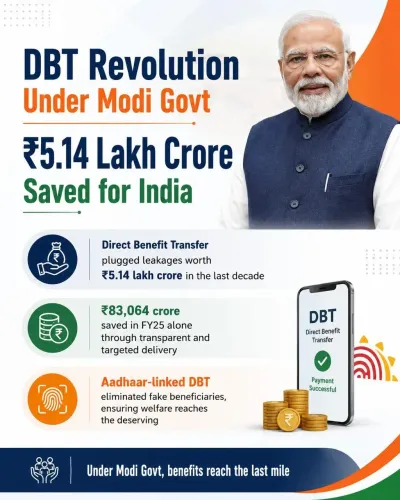
Direct Benefit Transfers have reached crores of beneficiaries by routing subsidies directly into bank accounts, cutting leakages.
Aadhaar , operational since 2009 , now serves as the foundational digital identity layer for welfare delivery across ministries.
DigiLocker enables citizens to store and share government-issued documents digitally, reducing dependence on physical paperwork.
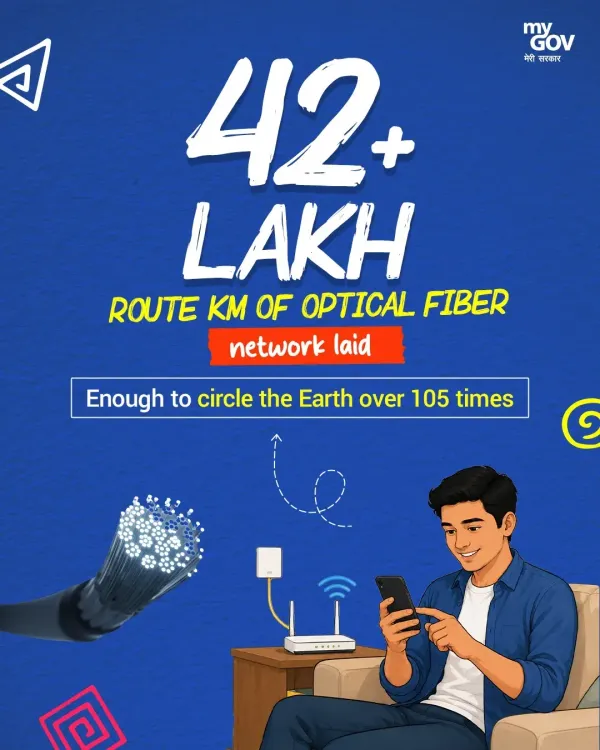
BharatNet , initiated in 2011 , targets high-speed broadband connectivity for gram panchayats to bridge the rural digital divide.
Rules under the Digital Personal Data Protection Act 2023 and further BharatNet rollout are the next key milestones to watch.
Union Coal and Mines Minister and BJP Telangana president G. Kishan Reddy on Wednesday, 1 July 2026 marked the anniversary of the Digital India programme by highlighting four flagship pillars — Direct Benefit Transfers (DBT), Aadhaar, DigiLocker, and BharatNet — as evidence of technology-driven governance reaching every Indian citizen.
In his post on X, Reddy stated: 'From Direct Benefit Transfers reaching crores of beneficiaries and Aadhaar becoming the foundation of digital identity to DigiLocker simplifying access to documents and BharatNet strengthening digital connectivity, Digital India has brought governance closer to every citizen.' He added that these milestones reflect 'a transformation that is making technology accessible, inclusive and impactful for every Indian.'
Context
Digital India was formally launched on 1 July 2015 as a flagship programme to transform the country into a digitally empowered society through electronic delivery of services. The anniversary falls on the same date each year and has become an occasion for senior ministers across portfolios to assess the programme's cumulative impact. Reddy's remarks, coming from the Coal and Mines Ministry, underscore how digital governance has permeated departments beyond its original technology-sector mandate.Policy Backdrop
Each of the four pillars Reddy cited carries its own policy lineage. The Aadhaar biometric identity system was approved in 2009 and is administered by the Unique Identification Authority of India (UIDAI), providing a 12-digit unique number to residents that now underpins authentication across welfare schemes. The Direct Benefit Transfer framework was piloted in 2013 to route subsidies and pensions directly into beneficiaries' bank accounts, reducing leakages that had long been flagged in official audits. DigiLocker, launched in 2015 alongside the Digital India programme itself, provides a cloud-based repository for citizens to store and share government-issued documents — from driving licences to educational certificates — without physical paperwork. BharatNet, originally conceived in 2011 as the National Optical Fibre Network, aims to connect gram panchayats with high-speed broadband, addressing the rural digital divide that limits the reach of urban-centric e-governance platforms.Stakeholders and Impact
The primary beneficiaries of the ecosystem Reddy described are welfare recipients, rural citizens, and the broader Indian resident population who interact with government services. The DBT architecture in particular has been credited in official dashboards with significant fiscal savings by eliminating duplicate or ghost beneficiaries from subsidy rolls. Aadhaar-seeded bank accounts form the backbone of this transfer mechanism, linking identity verification directly to payment rails. For rural communities, BharatNet connectivity is the prerequisite that makes the other pillars functional — without broadband access at the panchayat level, platforms such as DigiLocker remain inaccessible to a large segment of the population. Progress on BharatNet's rollout across states has therefore been a consistent metric for evaluating whether Digital India's promise translates into ground-level reality.What's Next
Policy watchers are tracking two near-term developments that will shape the next phase of India's digital public infrastructure. The ongoing expansion of BharatNet to remaining gram panchayats will determine how many more rural citizens can access digitally delivered services. Separately, the implementation of rules under the Digital Personal Data Protection Act 2023 is expected to set new compliance requirements for platforms handling Aadhaar and DigiLocker data, with implications for how government agencies store and share citizen information. Together, these developments will test whether the gains Reddy cited can be deepened and extended to the last mile.Point of View
Aadhaar, DigiLocker and BharatNet — as a coherent, decade-long policy arc rather than isolated schemes. The choice of a minister from the Coal and Mines portfolio to amplify a technology-governance message signals a deliberate effort to present Digital India as a whole-of-government achievement cutting across sectoral lines. It also sets a political baseline ahead of any parliamentary or budgetary discussions on the Digital Personal Data Protection Act's implementation rules, where the government will need to defend the same Aadhaar and DigiLocker infrastructure Reddy is celebrating. The framing of 'accessibility, inclusivity and impact' is consistent with the administration's broader narrative of welfare delivery as a rights-based, technology-enabled entitlement.
NationPress
30 Sept 2026
Frequently Asked Questions
What is Digital India and when was it launched?
Digital India is a flagship government programme launched on 1 July 2015 to transform India into a digitally empowered society by delivering services electronically and building digital infrastructure across the country.
How does Direct Benefit Transfer work in India?
The Direct Benefit Transfer (DBT) framework, piloted in 2013 , routes government subsidies and welfare payments directly into beneficiaries' Aadhaar-linked bank accounts, reducing leakages caused by intermediaries.
What is BharatNet and who does it benefit?
BharatNet is a government project, originally approved in 2011 as the National Optical Fibre Network, designed to provide high-speed broadband connectivity to gram panchayats across rural India, enabling access to e-governance services.
What did Kishan Reddy say about Digital India on 1 July 2026?
G. Kishan Reddy , Union Minister of Coal and Mines, posted on X that DBT, Aadhaar, DigiLocker and BharatNet have 'brought governance closer to every citizen' and reflect a transformation making technology 'accessible, inclusive and impactful for every Indian.'
What is DigiLocker and how does it help citizens?
DigiLocker is a cloud-based platform launched in 2015 that allows Indian citizens to store, access and share government-issued documents such as driving licences and educational certificates digitally, eliminating the need for physical copies.