PM Modi urges all parties to back 33% women's quota
Synopsis
On Independence Day 2026, PM Narendra Modi appealed from the Red Fort for all political parties to unite behind 33% women's reservation in Parliament and state assemblies, spotlighting the still-unoperationalised Nari Shakti Vandan Adhiniyam of 2023.
Key Takeaways
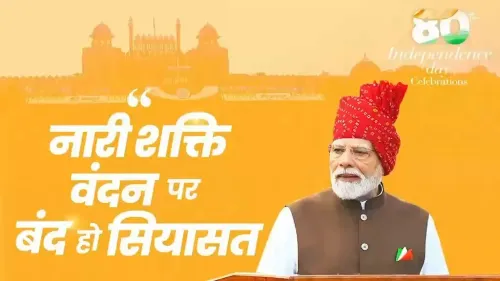
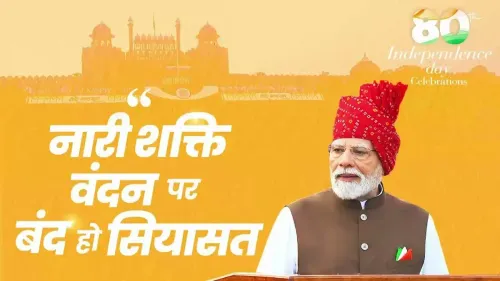
PM Modi used his Independence Day 2026 address from the Red Fort to appeal to all political parties to support 33% women's reservation in Parliament and state assemblies.
The Constitution (One Hundred and Sixth Amendment) Act, 2023 — the Nari Shakti Vandan Adhiniyam — already enshrines this reservation in law, but implementation awaits a delimitation exercise linked to a fresh census.
Women's reservation legislation was introduced and defeated repeatedly since the mid-1990s ; the 2023 enactment was the first successful passage in nearly three decades.
Union Minister Gajendra Singh Shekhawat amplified the Prime Minister's appeal on X, framing it as a call made 'in the shadow of the tricolour' from the Red Fort ramparts.
The Independence Day address is India's highest-visibility national platform, historically used to signal legislative priorities and seek cross-party consensus.
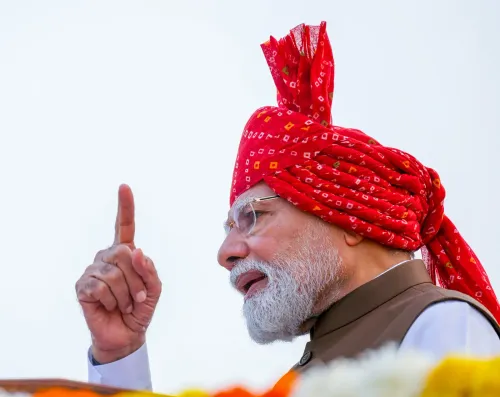
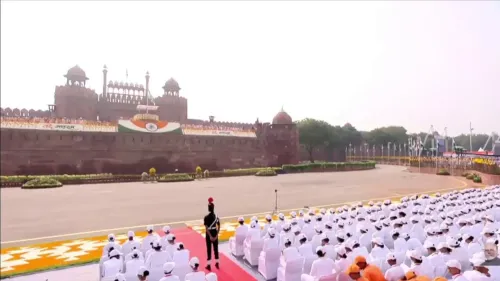
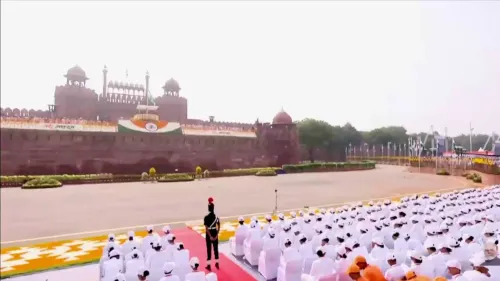
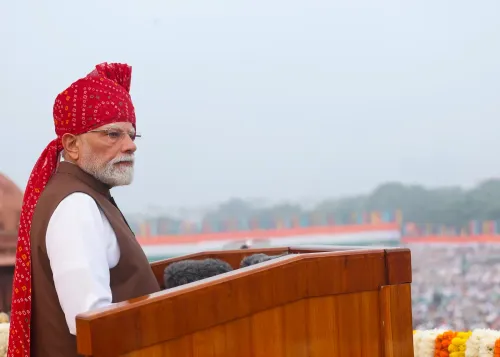
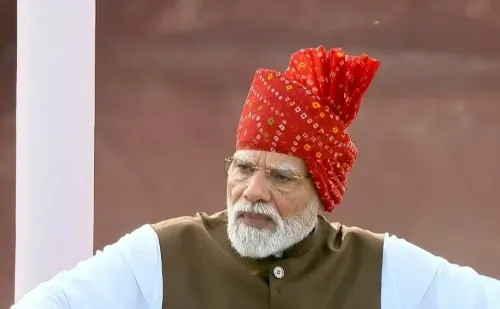
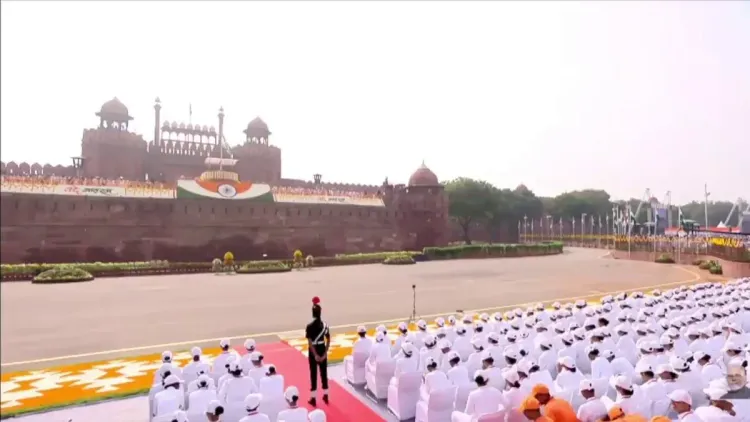
From the ramparts of the Red Fort, draped in the tricolour's shadow, Prime Minister Narendra Modi used his Independence Day address on 15 August 2026 to make a direct, cross-party appeal — urging every political formation to unite behind 33% reservation for women in both the Lok Sabha and state legislative assemblies.
The appeal from the ramparts
Union Culture and Tourism Minister Gajendra Singh Shekhawat, BJP MP from Jodhpur, shared the moment on X, describing it as the Prime Minister's call — made laal kile ki praacheer se tirangle ki chhaaya mein ('from the ramparts of the Red Fort, in the shadow of the tricolour') — for all parties to come together on women's reservation. The Independence Day address has historically served as the nation's most-watched platform to signal legislative priorities and seek consensus, and Modi's choice to invoke women's reservation from that stage carries unmistakable weight.
What the 2023 law already promises — and what it still awaits
Parliament enacted the Constitution (One Hundred and Sixth Amendment) Act, 2023 — formally titled the Nari Shakti Vandan Adhiniyam — to enshrine one-third reservation for women in the Lok Sabha and state assemblies. It was a historic first: similar legislation had been introduced and stalled repeatedly since the mid-1990s, making the 2023 passage a landmark after nearly three decades of failed attempts.
But enactment and implementation are two different clocks. The law's operationalisation is tied to a future delimitation exercise, which itself depends on a fresh national census. That linkage means the seats reserved under the amendment have not yet come into effect — and the political conversation around accelerating that process remains live.
Why a cross-party call still matters in 2026
The Prime Minister's appeal for all political parties to 'join' the cause — despite the law already being on the books — points to the unfinished business of implementation. Delimitation and census timelines are not unilateral decisions; they carry federal and legislative dimensions that benefit from broad political buy-in. An Independence Day appeal, broadcast to the entire nation, is as much a pressure tool as it is an invitation.
Women constitute roughly half of India's electorate, and their representation in Parliament and assemblies has historically lagged far behind that share. The Nari Shakti Vandan Adhiniyam was designed to correct that structural imbalance — but until delimitation occurs, the correction remains a promise rather than a reality.
The tricolour flew over the Red Fort as it always does on the 15th of August. This year, the most pointed message from beneath it was a demand — framed as an appeal — that India's democracy finally make good on a three-decade-old pledge to its women.
Point of View
The Prime Minister attempts to insulate the issue from electoral optics while keeping pressure on the timeline. For the BJP, it reinforces the 'Nari Shakti' brand ahead of state election cycles; for the Opposition, it poses a public-stage dilemma: oppose the appeal and risk optics, or support it and hand the government a consensus win. The Red Fort platform, watched by hundreds of millions, is the most efficient arena in Indian politics to set that kind of trap.
NationPress
29 Sept 2026
Frequently Asked Questions
What did PM Modi say about women's reservation on Independence Day 2026?
PM Modi, speaking from the Red Fort on 15 August 2026, urged all political parties to come together in support of 33% reservation for women in the Lok Sabha and state legislative assemblies.
What is the Nari Shakti Vandan Adhiniyam?
The Nari Shakti Vandan Adhiniyam is the Constitution (One Hundred and Sixth Amendment) Act, 2023, which legally mandates one-third reservation for women in the Lok Sabha and state assemblies. It was the first successful enactment of women's reservation legislation after nearly three decades of failed attempts.
Has the 33% women's reservation actually come into effect yet?
Not yet. The 2023 law links operationalisation to a future delimitation exercise, which depends on a fresh national census. Until delimitation occurs, the reserved seats have not been activated.
Why is PM Modi asking all parties to support a law that is already passed?
Because enacting the law and implementing it are separate steps. The delimitation process required to activate the reserved seats involves federal and legislative dimensions that benefit from broad political consensus, making cross-party support practically important.
Who is Gajendra Singh Shekhawat and why did he post about this?
Gajendra Singh Shekhawat is the Union Minister of Culture and Tourism and a senior BJP leader and Lok Sabha MP from Jodhpur, Rajasthan. He shared PM Modi's Independence Day appeal on X, highlighting the Prime Minister's call for unity on women's reservation.