CM Rekha Gupta Echoes Modi's Women's Quota Plea on I-Day
Synopsis
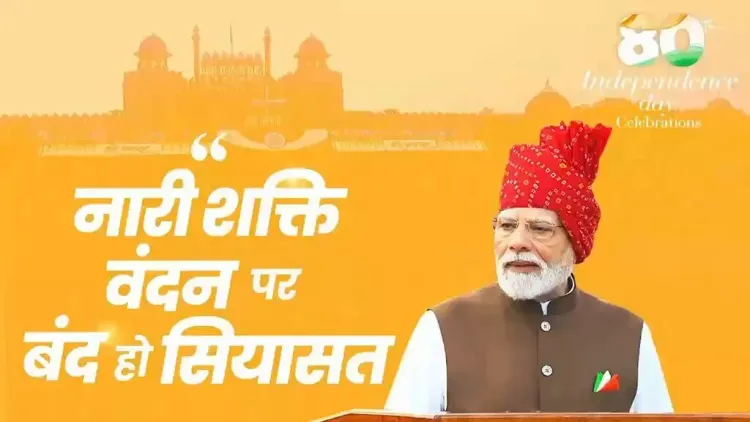
On Independence Day 2026, Delhi CM Rekha Gupta amplified PM Modi's Red Fort appeal urging all political parties to fast-track the Nari Shakti Vandan Adhiniyam, the 2023 law reserving one-third of Parliament seats for women, whose rollout awaits a national census and delimitation exercise.
Key Takeaways
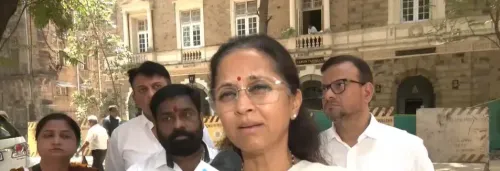
Delhi CM Rekha Gupta shared PM Narendra Modi 's Independence Day 2026 appeal on X, calling on all parties to implement women's reservation urgently.
The Nari Shakti Vandan Adhiniyam (Constitution's 128th Amendment ), passed in September 2023 , reserves one-third of Lok Sabha and assembly seats for women.
Implementation is blocked by a procedural prerequisite: the law cannot take effect until the national census and a fresh delimitation of constituencies are completed.
Earlier bids for women's reservation had failed repeatedly since the 1990s ; the 2023 passage was the first successful enactment.
Modi's use of 'once again' signals this is a recurring Independence Day theme, underscoring the gap between the law's passage and its actual rollout.
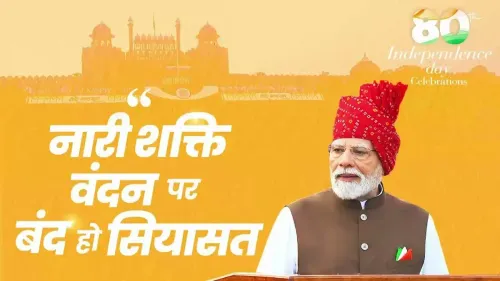
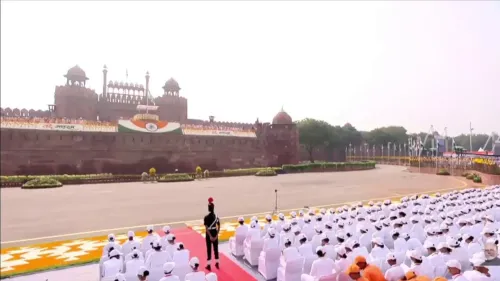
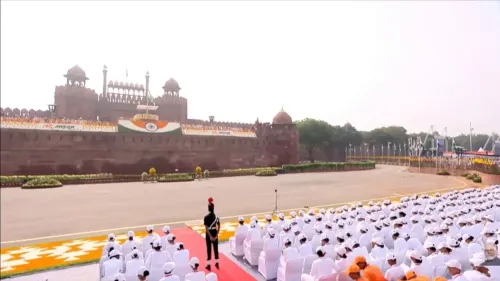
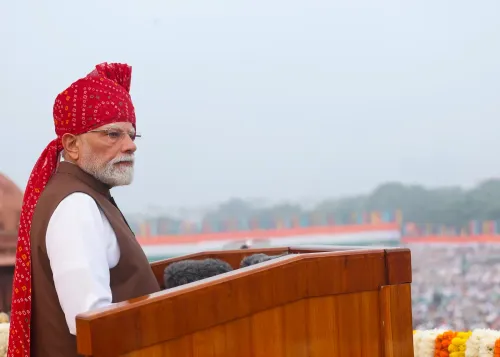
On Independence Day, 15 August 2026, Delhi Chief Minister Rekha Gupta amplified Prime Minister Narendra Modi's appeal from the Red Fort address, urging every political party to move swiftly on implementing women's reservation — a call that carries fresh urgency as the landmark legislation waits for its trigger.
Quoting the Prime Minister directly, CM Gupta shared his words on X: 'देश की मातृशक्ति को नमन करते हुए सभी राजनीतिक दलों से मैं एक बार फिर आग्रह करता हूं कि वे महिला आरक्षण को जल्द से जल्द लागू कराने के लिए आगे आएं।' — translated: 'Bowing to the matrishakti [mother-power] of the nation, I once again urge all political parties to come forward to implement women's reservation as soon as possible.'
The Law That Passed — But Has Not Yet Arrived
In September 2023, Parliament passed the Nari Shakti Vandan Adhiniyam — the Constitution's 128th Amendment — reserving one-third of seats in the Lok Sabha and state legislative assemblies for women. It was a historic first: earlier attempts stretching back to the 1990s had all collapsed. The bill cleared both Houses. The ink dried. And yet, no woman has yet entered Parliament under its provisions. The reason is procedural, not political — in theory. The law's implementation is explicitly tied to two prior steps: completion of the national census and the subsequent delimitation of constituencies. Until those exercises conclude and a delimitation commission draws new boundaries, the reserved seats cannot be formally identified or notified. No census date has been officially confirmed.Why Modi's 'Once Again' Carries Weight
The phrase 'once again' is doing real work here. This is not the first Independence Day on which the Prime Minister has raised the implementation question. The repetition signals that the gap between legislative achievement and on-ground reality is becoming a political pressure point — one the BJP is keen to be seen pushing, even as the administrative prerequisites remain outstanding. For CM Gupta, amplifying the message on 15 August serves a dual purpose: it keeps the ruling party's women's-empowerment narrative front and centre on the most-watched political day of the year, and it frames the delay as a collective responsibility of all parties, not a failure of any single government. The ball, as Modi framed it, is in everyone's court. The census clock, however, is ticking on its own schedule.Point of View
She ties Delhi's BJP leadership firmly to the women's reservation narrative at a moment of maximum national visibility. The move also distributes political accountability — framing the delay as a multi-party problem rather than a government failure. The broader arc here is significant: the BJP passed landmark legislation in 2023 but now faces the awkward optics of a law on the books that cannot yet be enforced, making these periodic public appeals a way to demonstrate intent while administrative prerequisites remain outstanding. Watch whether the census timeline accelerates ahead of the next election cycle — that will be the real indicator of political will.
NationPress
30 Sept 2026
Frequently Asked Questions
What is the Nari Shakti Vandan Adhiniyam?
The Nari Shakti Vandan Adhiniyam is the Constitution (128th Amendment) Act passed by Parliament in September 2023. It reserves one-third of seats in the Lok Sabha and state legislative assemblies for women.
Why has women's reservation not been implemented yet?
The law requires two prior steps before seats can be notified: completion of the national census and a fresh delimitation of parliamentary and assembly constituencies. Until both are done, the reserved seats cannot be formally identified.
What did PM Modi say about women's reservation on Independence Day 2026?
PM Modi urged all political parties to come forward and implement women's reservation as soon as possible, framing it as a collective responsibility while paying tribute to the 'matrishakti' — the mother-power — of the nation.
Why did Delhi CM Rekha Gupta share Modi's women's reservation quote?
As a senior BJP leader and Delhi Chief Minister, Gupta amplified the Prime Minister's Independence Day message to reinforce her party's commitment to women's empowerment and to keep pressure on all parties to act on the legislation.
How long has India been trying to pass women's reservation in Parliament?
Attempts to legislate women's reservation in Parliament date back to the 1990s. Multiple bills failed over three decades before the Nari Shakti Vandan Adhiniyam was successfully passed in September 2023.