Kishan Reddy Highlights Digital Governance Gains Across Services
Synopsis
Union Coal and Mines Minister G. Kishan Reddy on 15 June 2026 highlighted India's digital governance gains, pointing to DigiLocker, DigiYatra, faceless tax assessments, GST, and Smart Cities as schemes that are reducing paperwork and improving citizen services across passports, airports, taxation, and urban administration.
Key Takeaways
Kishan Reddy , Union Coal and Mines Minister and BJP Telangana president, on 15 June 2026 cited multiple digital governance schemes as evidence of seamless, citizen-friendly administration.
DigiLocker (launched 2015 ) and e-KYC have enabled paperless document storage and identity verification across government services.
DigiYatra , rolled out from 2022 , allows biometric-based boarding at airports, removing the need for paper tickets at security and boarding gates.
The Faceless Assessment Scheme (expanded 2020 ) eliminated physical taxpayer-official interaction through centralised digital scrutiny.
GST , implemented in July 2017 , unified indirect taxation into a single digital compliance framework replacing multiple central and state levies.
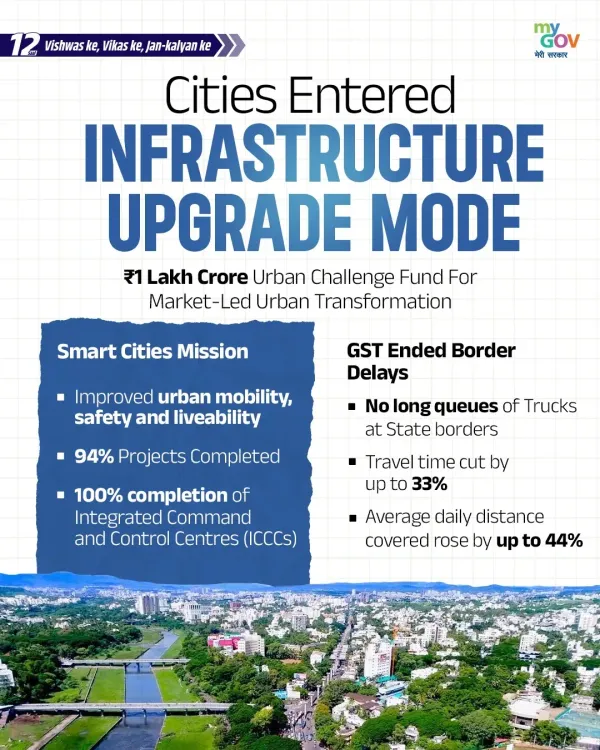
The Smart Cities Mission covers 100 cities with technology-enabled infrastructure and e-governance components since its 2015 launch.
Union Coal and Mines Minister G. Kishan Reddy on Monday, 15 June 2026 highlighted India's expanding digital governance footprint, citing schemes such as DigiLocker, DigiYatra, GST, and the Smart Cities Mission as evidence that citizen-facing services have become faster, paperless, and more transparent. The minister, who also serves as BJP Telangana state president, made the remarks in a post on X, noting that governance has grown 'more seamless, technology-driven and citizen-friendly' across domains ranging from passports and taxation to airports and urban services.
Context
Kishan Reddy's post underscores a broad cross-ministerial push that has been a defining feature of central government policy since 2014. The minister specifically named DigiLocker, e-KYC, DigiYatra, faceless tax assessments, GST reforms, and Smart Cities as initiatives that are 'reducing paperwork, saving time, and improving everyday life for millions of Indians.' The observation spans portfolios well beyond his own ministerial brief, signalling a whole-of-government framing rather than a sectoral announcement.
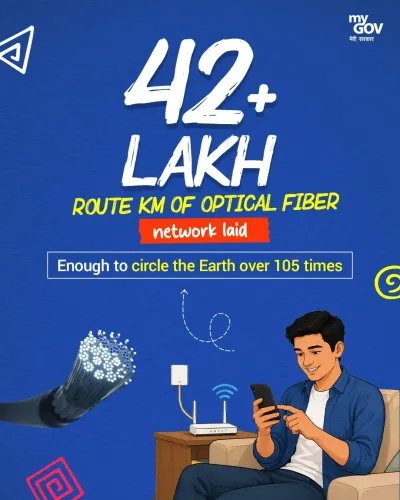
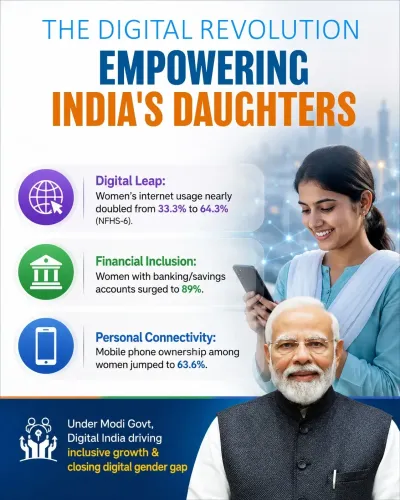
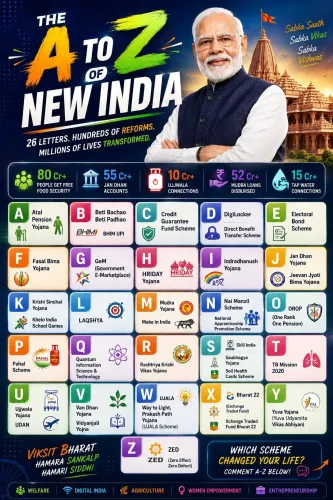
The post was accompanied by four images, suggesting a visual summary of these digital milestones. While Reddy holds the Coal and Mines portfolio, his remarks reflect the BJP's broader electoral and communication strategy of highlighting Digital India outcomes ahead of political cycles in Telangana and nationally.
Policy Backdrop
DigiLocker, launched in 2015 under the Digital India programme, allows citizens to store and share government-issued documents digitally, eliminating the need for physical copies across a range of services. e-KYC, linked to the Aadhaar ecosystem, has enabled paperless identity verification for banking, telecom, and government entitlements.
DigiYatra, rolled out at airports from 2022, uses biometric-based boarding to allow passengers to move through terminals without paper tickets or physical ID checks at every gate. The Faceless Assessment Scheme for income tax, introduced in 2019 and expanded in 2020, removed direct physical interaction between taxpayers and assessing officers by centralising scrutiny through a digital system. GST, implemented in July 2017, replaced a fragmented multi-tier indirect tax structure with a unified, largely digital compliance framework. The Smart Cities Mission, announced in June 2015, targets 100 cities with integrated digital infrastructure and e-governance components.
Stakeholders and Impact
The beneficiaries of these schemes span a wide cross-section of the population: individual taxpayers who no longer need to attend in-person hearings, air passengers who can board flights using facial recognition, and urban residents accessing municipal services through digital portals. Collectively, these initiatives represent a sustained effort to reduce the friction and opacity historically associated with citizen-government interactions in India.
For Telangana, where Kishan Reddy leads the state BJP unit, the emphasis on digital governance also carries political resonance. The state has its own track record in e-governance, and the minister's framing positions the central government's Digital India agenda as a complementary, if not competing, narrative in the state's technology story.
What's Next
Policy watchers are tracking the potential extension of digital identity frameworks into sectors such as health records and land registries, areas where physical documentation and intermediaries remain common pain points. Parliamentary standing committees on e-governance are expected to examine outcomes data from these flagship schemes in upcoming sessions. The trajectory suggests further convergence of Aadhaar-linked services with sectoral databases as the government deepens its digital infrastructure investment.
Point of View
DigiYatra, GST, and Smart Cities in a single breath, the minister reinforces the party's decade-long framing of Digital India as a unified reform project rather than a collection of departmental initiatives. The timing, coming from a state BJP president in a politically competitive state like Telangana, also suggests these messages serve a dual purpose: national brand-building and local electoral positioning. The absence of new data or announcements means the post functions primarily as political communication consolidating existing achievements rather than signalling fresh policy movement.
NationPress
15 Sept 2026
Frequently Asked Questions
What is DigiYatra and how does it work?
DigiYatra is a biometric-based digital boarding system launched at Indian airports from 2022 that allows passengers to pass through security and boarding gates using facial recognition, eliminating the need for physical tickets or ID checks at each checkpoint.
What is the Faceless Assessment Scheme in income tax?
The Faceless Assessment Scheme, introduced in 2019 and expanded in 2020, removes direct physical contact between taxpayers and income tax officials by routing all scrutiny through a centralised digital system, reducing scope for discretion and in-person interaction.
What did Kishan Reddy say about Digital India?
Union Coal and Mines Minister G. Kishan Reddy on 15 June 2026 stated that governance has become 'more seamless, technology-driven and citizen-friendly,' citing DigiLocker, e-KYC, DigiYatra, faceless tax assessments, GST reforms, and Smart Cities as schemes reducing paperwork and saving time for millions of Indians.
When was GST implemented in India?
GST, or the Goods and Services Tax, was implemented nationwide in July 2017, replacing a fragmented structure of multiple central and state indirect taxes with a unified, largely digital compliance framework.
What is the Smart Cities Mission in India?
The Smart Cities Mission, announced in June 2015, is a central government urban renewal programme covering 100 cities with a focus on technology-enabled infrastructure, digital services, and e-governance to improve quality of life for urban residents.